
Is Israel Once Again the 'Jealous Lover' in Iran Deal Politics?

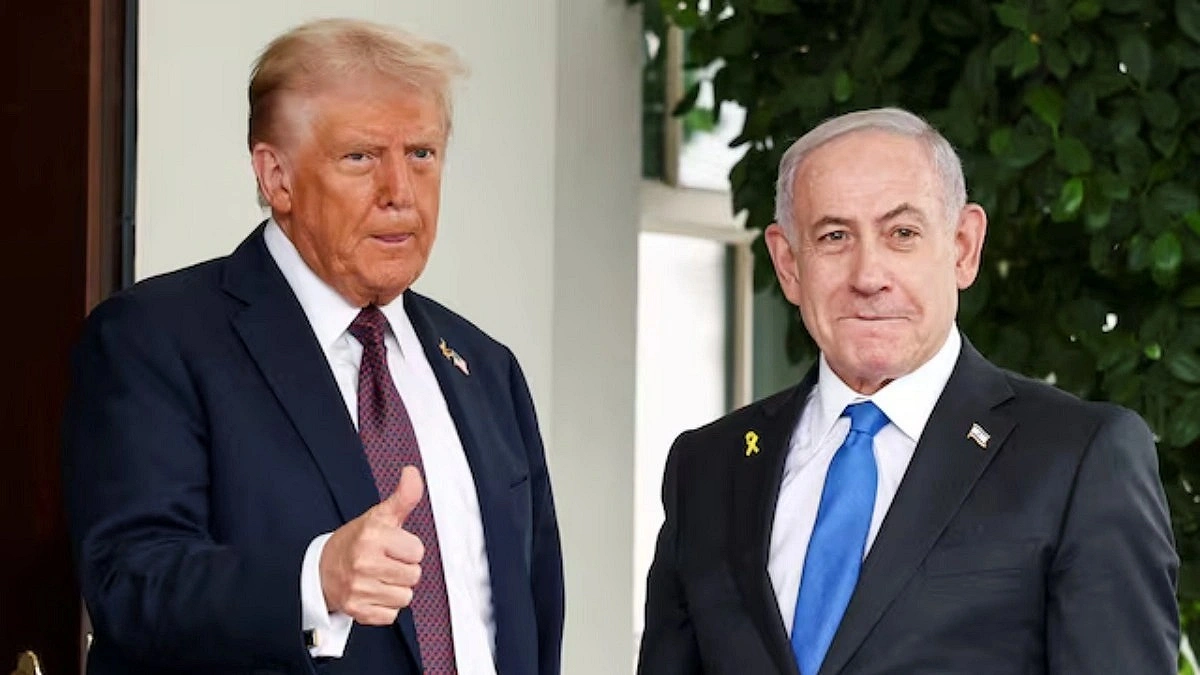
US President Donald Trump with Israeli Prime Minister Benjamin Netanyahu. Photo: Reuters
A major obstacle to a lasting agreement between the United States and Iran over a long period has been Israel’s opposition. Tel Aviv has consistently opposed any deal that could leave Tehran politically, economically, or militarily stronger.
In recent times, US President Donald Trump has claimed on several occasions that the two countries had come “very close” to an agreement. However, Israel has consistently opposed the deal, directly or indirectly. From strikes in Lebanon to various political responses, Israel’s military actions, political pressure, and strategic calculations have the potential to complicate diplomatic efforts between Washington and Tehran.
A preliminary understanding was reached between Iran and the United States yesterday, raising hopes for lasting peace in the Middle East. However, a full agreement still requires a long road ahead. The question now is whether Israel could once again complicate the path to a comprehensive deal.
Israeli Prime Minister Benjamin Netanyahu and members of his government have already reacted strongly to the development. Israeli politicians have described the deal as a “disaster” and a “bad agreement,” saying it would “give new life to Tehran’s murderous regime."
This reaction reflects Israel’s long-standing position. Israel considers Iran its greatest security threat and believes diplomatic agreements have generally failed to permanently halt Tehran’s nuclear program or regional influence.
Israel could complicate the ongoing negotiation process in several ways. First, Israeli military escalation could directly derail talks. Hours before the announcement of the deal, Israel carried out strikes in Beirut following a Hezbollah attack.
Several reports suggest that Iran was considering retaliatory ballistic missile strikes in response, raising fears of a wider regional war.
Reports say Donald Trump was angered by the developments. He reportedly called Netanyahu and demanded that strikes against Hezbollah be halted. Vice President JD Vance also warned that the Beirut attack could derail diplomatic efforts, with Washington fearing it could trigger Iranian retaliation.
In addition, Israel has not yet decided to withdraw its forces from Lebanon. The country has stated that its troops will remain there. However, Iran has repeatedly maintained that any agreement must include a cessation of war in Lebanon.
These developments highlight how Israeli military operations against Iran or its allies can quickly destabilize negotiations and increase pressure on Tehran to take a harder stance.
Second, Israeli leaders may openly oppose the terms of any agreement. National Security Minister Itamar Ben-Gvir said that Trump’s deal is not binding for Israel and Israel is not subordinate to the United States.
Finance Minister Bezalel Smotrich also rejected the agreement, calling it “bad for Israel and the entire free world.” These statements suggest that even if Washington reaches an understanding with Tehran, Israel may continue military operations in Lebanon, Gaza, or against Iranian targets, potentially weakening the deal in practice.
Third, Netanyahu’s domestic political situation further complicates the possibility of a settlement. With elections approaching and under pressure from far-right coalition partners, maintaining a hardline stance against Iran and Hezbollah remains politically crucial for him.
Analysts say conflict with Iran is central to Netanyahu’s political identity. According to political analyst Gayil Talshir, as reported by The Washington Post, Netanyahu’s long-term strategy has been to “overthrow the Iranian regime,” dismantle its nuclear program, and weaken its regional allies. As a result, his supporters may view any agreement that fails to achieve these goals as a failure.
A broader strategic divide also exists between Washington and Tel Aviv. Trump, under domestic economic pressure, seeks to avoid another costly conflict in the Middle East. Israel, on the other hand, argues that easing sanctions on Iran would strengthen Tehran economically and militarily.
This disagreement is becoming increasingly visible. After years of close ties, Trump and Netanyahu now appear divided over how to handle Iran and broader regional conflict.
Recently, Trump remarked, “Without the United States, Israel would not exist,” highlighting Israel’s dependence on U.S. support. At the same time, he has also reportedly used harsh language in phone calls with Netanyahu, though both sides later framed it as a “love quarrel.”
Despite this, Israel’s statements and actions suggest that Tel Aviv is not fully under Washington’s control. Their so-called “relationship” may no longer resemble romance, or Israel may be acting like a jealous lover, repeatedly complicating Washington’s efforts to maintain balance.
Recent developments once again highlight a key reality of Middle East diplomacy: even when the United States and Iran move closer to a deal, Israel’s security concerns, regional military actions, and political pressure can significantly weaken or complicate its long-term viability.
