
Cockroach movement called off after 36 days

Picture: Reuters
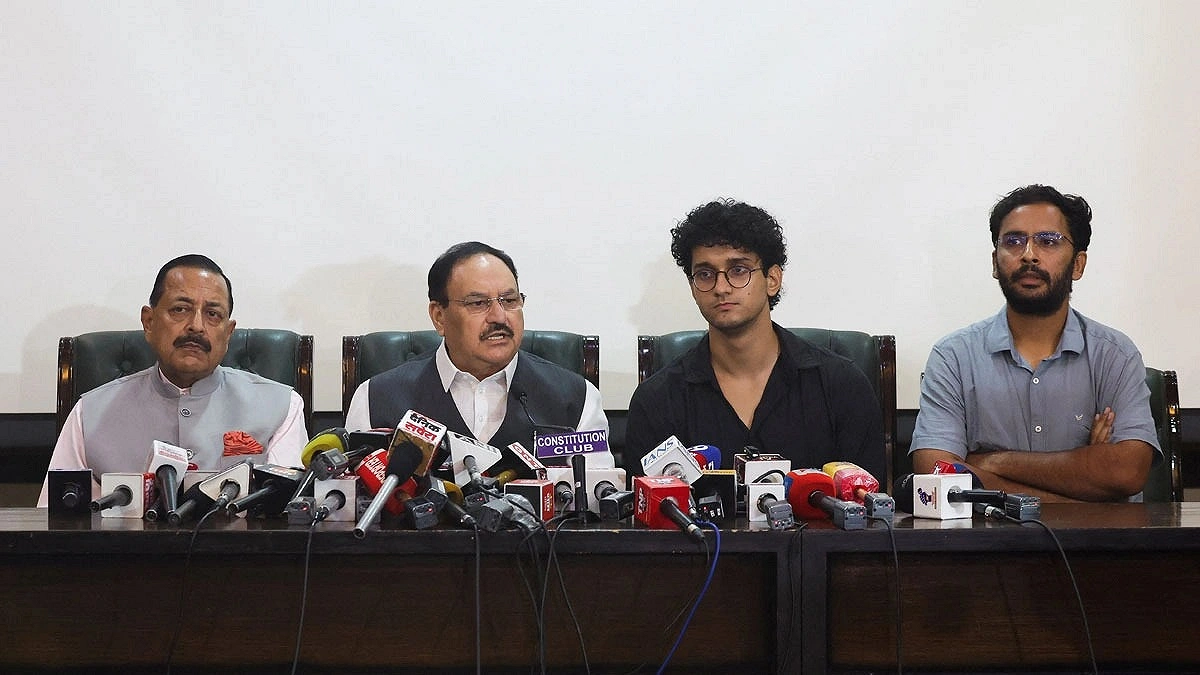
The newly formed Cockroach Janata Party, or CJP, has achieved a remarkable victory in an unprecedented protest against the Indian central government. The organization officially announced the withdrawal of its movement on Saturday after India’s Education Minister Dharmendra Pradhan resigned, following 36 consecutive days of street protests demanding his resignation and protesting the alleged leak of the National Eligibility cum Entrance Test, or NEET, medical entrance examination question paper.
In May, during a hearing, India’s Chief Justice Surya Kant described unemployed and protesting young people as “cockroaches” and “parasites of society.” In protest against the judge’s remarks and to spread a satirical message, the Cockroach Janata Party, or CJP, emerged on social media. The online platform, founded under the leadership of Boston University student Abhijit Dipak, quickly gained popularity among young people. Later, following the alleged NEET question paper leak and a series of student suicides, these Gen Z and young activists left the online space and took to the streets in protest.
During the movement, police repeatedly cracked down on CJP activists. When demonstrators began an indefinite sit in at Jantar Mantar in New Delhi in late June, authorities used tear gas and batons against the protesters. Prominent education activist Sonam Wangchuk joined the movement and remained on a hunger strike for 26 consecutive days. Despite severe adversity, the protesters refused to back down. Even after authorities mocked the protesters by calling them the “B team of terrorists,” they were forced to yield in the face of growing student pressure.
Eventually, after Narendra Modi gave assurances and Education Minister Dharmendra Pradhan resigned, the protesters secured their first major victory. CJP founder Abhijit Dipak said, “It was because they mocked us by calling us cockroaches that the youth of today have awakened. If we are not afraid when we witness injustice, then it is possible to force anyone to resign.”
Although the resignation of the education minister fulfilled the movement’s first demand, the organization also called on the government to address its remaining demands, including providing compensation to the families of deceased students, withdrawing cases filed against protesting students, and apologizing for the police use of force. Just 71 days after beginning as a simple social media page, the organization’s political transformation is being seen as a new and significant chapter in the history of youth movements in India.
