
EU Targets Russia’s Banking Sector in New Sanctions Push

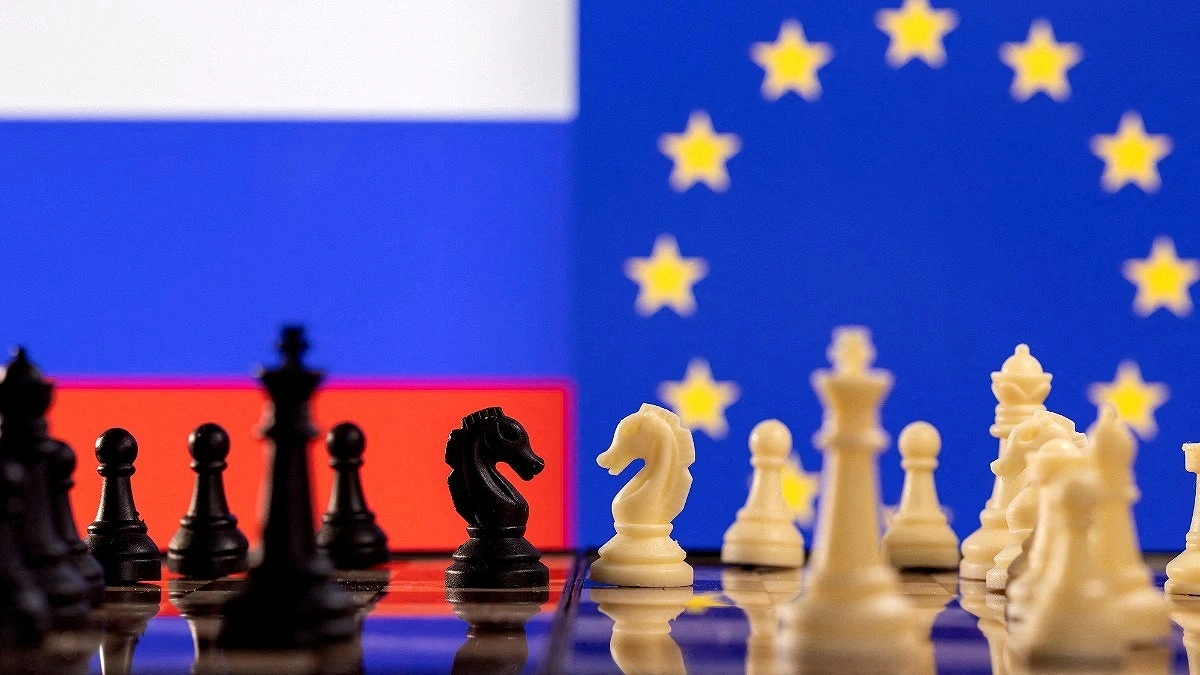
Photo: Reuters
The European Union has proposed its 21st sanctions package against Russia over the Ukraine war. The measures broadly target Russia’s banking sector, crypto networks, drone production, oil traders, and oil refineries, EU foreign policy chief Kaja Kallas said on Tuesday.
The new package proposes sanctions on 170 individuals and entities. It includes nearly 90 banks, the largest number in a single round. This would push the total number of sanctioned banks above 100, covering more than half of Russia’s 213 internationally connected lending institutions.
The proposed measures include full EU sanctions such as asset freezes, travel bans, and transaction restrictions on these banks.
EU ambassadors will review the proposal on Wednesday. The bloc requires unanimous support from all member states to adopt sanctions.
Western sanctions have already heavily targeted Russia’s banking system. In 2022, major Russian banks were cut off from SWIFT, the global financial messaging system.
However, Russian companies have continued trade by relying on an extensive network of smaller lending institutions to bypass restrictions.
"We intend to deal a heavy blow to Russia’s financial sector, imposing assets freezes on close to 90 banks and additional transactions bans on over 30 banks in Russia and other third countries," Kaja Kallas wrote on X.
An unnamed European diplomatic source said the aim is to weaken Russia’s financial system and encourage Moscow to engage in peace negotiations with Ukraine.
Russia’s economic growth slowed to just 1 percent last year, down from 4.9 percent in 2024. Officials attribute the slowdown to high interest rates, Western sanctions, and a strong ruble.
The influential Russian research institute, the Center for Macroeconomic Analysis and Short-Term Forecasting, has repeatedly warned of a potential banking crisis, although the country’s central bank has denied such risks.
In a report published on May 10, the institute said that asset quality deterioration remains hidden through debt restructuring and the dominance of state-owned lending institutions, adding that a banking crisis is spreading quietly.
However, Russia’s central bank deputy governor Filip Gabunia said last week that the bank sees no signs of a banking crisis and that loan restructuring conditions have stabilized.
Source: Reuters (adaptive)
