
Hormuz will never return to pre-war condition, warns Ghalibaf

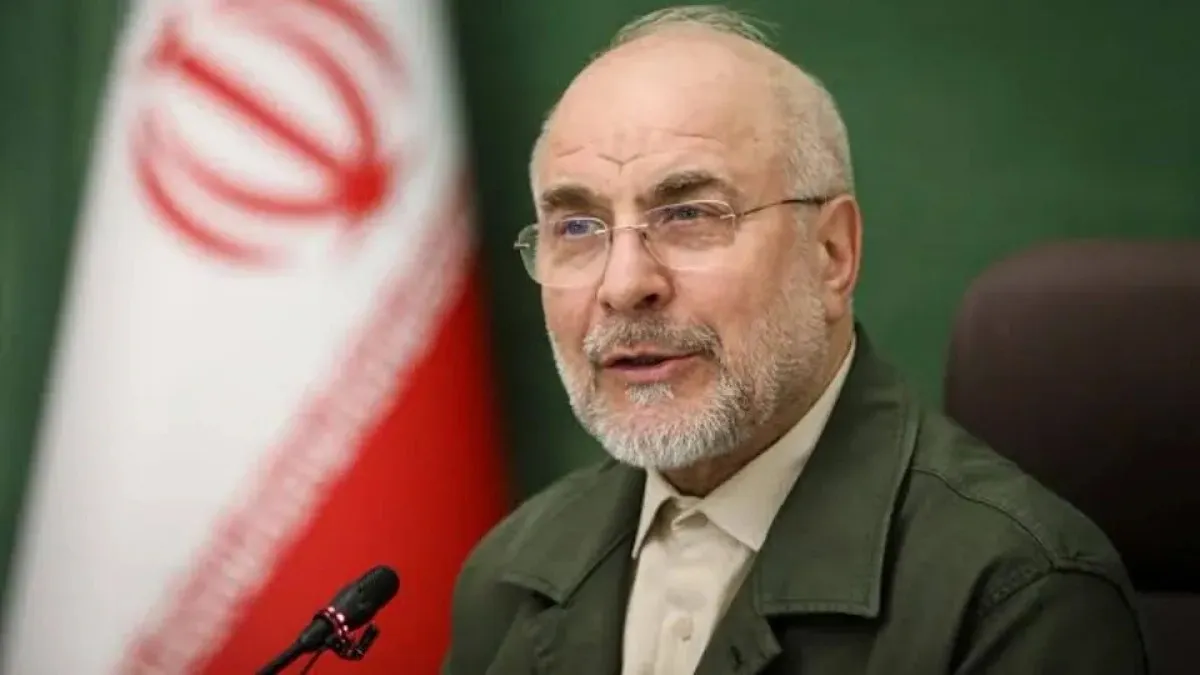
Iran's Parliament Speaker and chief negotiator Mohammad Bagher Ghalibaf. Collected photo.
Iran's Parliament Speaker and chief negotiator Mohammad Bagher Ghalibaf has warned that after eight months of war between Iran and the United States-Israel, the Strait of Hormuz will never return to its pre-war condition.
He claimed that Iran and Oman have reached an understanding regarding the oversight of this important waterway. This understanding was reached as part of the seven-point proposal Tehran put forward to end the war.
In an interview with Al Jazeera on Wednesday, Ghalibaf also spoke about the possibility of peace talks with the United States. However, several of Tehran's conditions must be fulfilled before sitting for talks, he said.
According to Ghalibaf, Iran has communicated its seven conditions to the United States through Qatar. Tehran is now awaiting Washington's formal response.
Regarding the Strait of Hormuz, Ghalibaf claimed that there is no free waters or international waters there. He also claimed that the 1982 United Nations Convention on the Law of the Sea does not apply to this strait.
He noted that the rules and regulations of the Strait of Hormuz will be determined by the laws of the two countries on its shores, Iran and Oman.
According to him, the two countries have reached an understanding regarding the oversight of this important waterway. As a result, Hormuz will no longer return to its pre-war condition.
Ghalibaf said Iran has given a clear response to the United States regarding peace talks through a Qatari mediator. The seven conditions were outlined in that response.
He said, "The ball is now in the United States' court."
Iran's conditions include the lifting of the naval blockade and sanctions imposed by the United States. There is also a demand for the release of Iranian funds that have been frozen. In addition, Tehran has demanded an end to the war on all fronts and a clear declaration of the war's end.
Ghalibaf said these demands are part of the Islamabad Memorandum of Understanding signed in June. Iran believes these must be implemented before sitting for talks with the United States.
According to him, if the United States remains within what was previously agreed and does not make additional demands, then reaching an agreement is possible.
He also warned against new US attacks on Iran. He claimed that if such attacks occur, US President Donald Trump will face defeat again. He may also come under political pressure from the new Congress that took office in January.
According to Ghalibaf, Iran wants to emerge from a situation of "neither war nor peace." For this, he emphasized building sustainable deterrence capability. This also includes increasing military capability.
Source: Al Jazeera
