


Rasuwa Flood
Life after the disaster

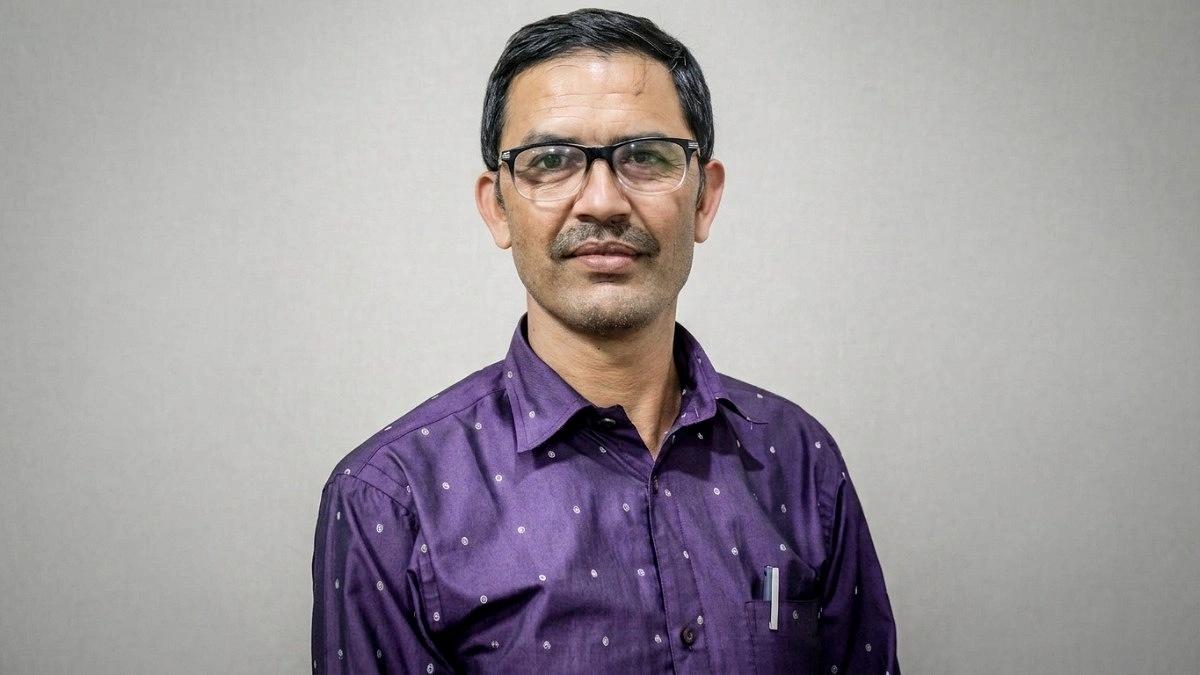
Nepali Journalist Ramesh Prasad Timalsina
Last Wednesday morning (Bhadra 10), a Himalayan tsunami triggered by the Bhote Koshi River devastated settlements across Rasuwa within a matter of moments. The disaster also affected Nuwakot, Dhading, Gorkha, Tanahun and other districts. Houses, shops, roads, bridges and hydropower structures were swept away. Many families lost their loved ones, while some are still unaware of the whereabouts of their family members. As search and rescue operations continue, another difficult question now confronts the survivors: How will they survive from here?
The flood has not only destroyed physical infrastructure; it has also shattered the foundation of people's daily lives. The residents have neither shelter nor food. Along with their relatives, they have lost almost everything they called their own. Survivors have been left alone and helpless. With roads and bridges washed away, communication and access to other settlements have also become difficult.
For families displaced by the flood, the most immediate needs are food and safe drinking water. According to the National Disaster Risk Reduction and Management Authority, temporary shelter, food, clean drinking water and medicines have been arranged for the time being at Nepal Army barracks in the affected areas. However, receiving relief food and returning to a normal life are two different things.
For families who have lost food stored at home, kitchen utensils and sources of income, a few days of relief will not end the crisis. Describing the situation in Rasuwa as extremely serious, Nuwakot-based journalist Navadeep Shrestha said that food provided by local communities and organizations was currently being distributed. He also said that although an all-party agreement had been reached to distribute relief through a one-door system under the Chief District Officer, relief was instead being distributed independently by different groups.
Therefore, the main question in the affected settlements is no longer “Has relief arrived?” but rather “How long will the relief last, and what happens after that?”
People whose homes are no longer habitable have been placed in temporary shelters. According to government information, some have been accommodated at Nepal Army barracks and other safe locations rescued from the disaster, where food, water and medicines have been provided. Displaced people staying in schools and vacant plots, along with people who have come from elsewhere, have had to spend nights in shelters under extremely difficult conditions.
Local resident Kancha Tamang said that some ordinary residents had taken displaced people into their own homes. However, temporary shelters are not a long-term solution for families whose houses have been completely swept away or rendered uninhabitable. They now face questions about rebuilding their homes, managing land and relocating to safer places. The government has yet to make decisions on these issues.
The flood has not only swept away houses. Along with their homes, people may have lost citizenship documents and other papers, clothing, food supplies, businesses and years of savings.
The deepest wound caused by the flood is the loss of human life. Many family members have died, while some remain missing. The Nepal Army, Nepal Police and Armed Police Force have been deployed for search and rescue operations. Air rescue operations are also being conducted from the affected areas.
On Wednesday and Thursday, eight helicopters were reportedly stationed at the barracks in Nuwakot, but only three remained there on Saturday. People trapped inside tunnels of hydropower projects were still waiting to be rescued. However, the government has not yet been able to reach some of those locations, leading to growing public anger.
On one hand, people are suffering the pain of losing their loved ones; on the other, many are experiencing distress and guilt because they were unable to do anything when their relatives cried for help before their eyes.
When the bodies of loved ones are recovered, families can at least begin the grieving process. But for families whose loved ones have not even been found, the pain remains uncertain—the unbearable question of whether their loved ones are alive or dead.
Therefore, search and rescue for affected families is not merely a government “operation.” It is their most important hope for life. Identifying bodies, conducting DNA tests, informing relatives and ensuring dignified funerals are also important parts of relief efforts.
On the day of publication, Chitwan Chief District Officer Ganesh Aryal issued a public notice stating that DNA samples would be collected from the bodies and that the bodies would be managed at an open site in Devghat, Ward No. 1 of Bharatpur Metropolitan City. This has further increased anger among local residents. They have protested what they see as an attempt to take away their cultural right to manage the bodies of their loved ones themselves when the bodies are recovered intact. They also believe that identifying bodies through DNA testing will take even more time.
Infrastructure, Relief and Access
The flood caused extensive damage to Rasuwa's transportation infrastructure. According to preliminary details, 35 concrete bridges and 45 suspension bridges along the Trishuli Corridor were washed away. Around 40 kilometers of roads were also damaged. As a result, transportation in the affected areas was brought to a standstill.
This has had a direct impact on relief operations. Without roads, it is difficult to transport food, medicines, water, construction materials and other essential supplies. Madhav Aryal, chairperson of Uttargaya Rural Municipality, said that it was also difficult to take patients to hospitals, meet relatives or transport bodies.
Efforts to restore road connections have begun, but the mountainous terrain, washed-away bridges and continuing risks are making the work difficult. According to journalist Navadeep Shrestha, access is relatively easy up to the other side of the Trishuli River in Nuwakot, and a dirt road to Rasuwa has been opened through the Suryagadhi route. However, Rasuwa journalist Hemnath Khatri said the number of people able to deliver relief through this route remained extremely low because of the long and difficult journey.
Flood victims are not facing a single problem. Food, water, shelter, health, transportation, communication and the search for missing relatives have all become problems at once.
Looking at immediate priorities, however, safe shelter, regular food supplies and drinking water, health services and the search for missing family members appear to be the most important.
How will families whose homes and shops have been swept away restart their businesses? Where will those who have lost their jobs work? If farmers have lost their livestock, crops or stored produce, how will they restore their livelihoods?
These questions demonstrate the need to link relief with long-term rehabilitation, said disaster expert Dr. Gangalaal Tuladhar. He said the immediate priorities were saving people's lives and rehabilitation.
Tuladhar said that teachers who had studied and taught about disasters in Japan had warned that such disasters could occur in Nepal, but he had never imagined that something of this magnitude would happen in his own lifetime. “We had studied that such disasters could happen. I never thought it would happen in our own lifetime,” he said.
Another painful aspect of the disaster for local residents is its suddenness. Preliminary reports indicate that the flood on Bhadra 10 gave people very little time to prepare. The flood simultaneously damaged markets, settlements, roads, bridges and hydropower infrastructure.
This has raised a serious question: How effective was the early-warning system in such a high-risk Himalayan region ? Reports indicate that flood early-warning systems were also damaged in some parts of Rasuwa, Dhading and Nuwakot following the disaster. Preliminary information suggests that because the flood itself damaged the warning systems, warnings could not be communicated in time. Therefore, the concerns of local people are no longer limited to demands for immediate relief. Their questions are also connected to their future safety:
If another disaster strikes, how will we receive a warning ? Where will we go ? Where is a safe place ?
The government has prioritized immediate search and rescue, relief and rehabilitation. It has decided that local governments will collect and update details of the human and physical losses in affected areas and mobilize budgets from disaster management funds for necessary relief and rescue operations. The Survey Department has also moved ahead with arrangements to assess land damage and conduct disaster mapping. But compensation and relief are not the same thing.
Relief addresses immediate needs such as hunger, shelter and healthcare. Compensation should help citizens restore the property and livelihoods they have lost. Clear criteria and timelines for compensation are necessary for families who have completely lost their homes, families who have lost members, people who have lost businesses, as well as farmers and laborers.
The flood caused major damage not only to roads and bridges but also to hydropower projects. According to the Nepal Electricity Authority, damage to 12 power projects had halted 431.1 megawatts of electricity generation. This demonstrates the enormous scale of reconstruction required.
However, the state's first responsibility is to ensure the safety of citizens, shelter and livelihoods before rebuilding physical infrastructure.
The flood victims of Rasuwa need food now. They need a safe roof over their heads. They need their missing loved ones to be found.
But after a few weeks, their questions will change again. The government must respond to those changing questions and meet citizens' basic needs as those needs evolve with time. Only then will citizens truly feel that they have a government.
A disaster does not end merely when the water recedes. A disaster ends when survivors begin to see their homes, livelihoods and future as secure once again. At present, the flood victims of Rasuwa need more than a bag of relief supplies. They need the means to survive and confidence in their future. And that confidence can be created only through the government's actions.


