
U.S. and Iran Signal Potential Shift with Proposed Maritime Truce

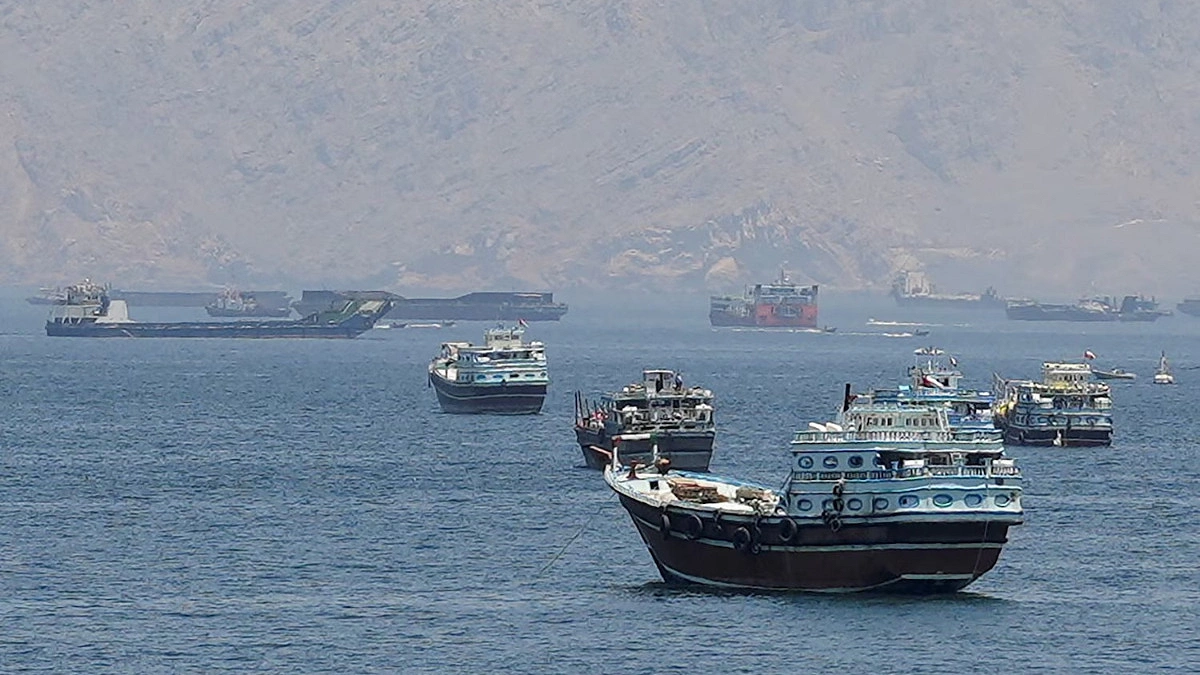
Photo: Reuters.
The United States and Iran are currently negotiating a preliminary memorandum of understanding (MOU) designed to de-escalate tensions in the Strait of Hormuz and establish a roadmap for future nuclear negotiations.
According to officials familiar with the discussions, this one-page document represents a potential breakthrough in the long-standing maritime and diplomatic standoff.
The Proposed 30-Day De-escalation Plan
The core of the current proposal, drafted by the Trump administration, focuses on a reciprocal easing of naval pressure:
Iran would be required to ease its control and military presence in the Strait of Hormuz. And, the United States would begin a gradual lifting of its naval blockade on Iranian ports.
These actions would take place over a 30-day window, intended to build enough trust to begin broader negotiations.
Other Hurdles
While multiple drafts have been exchanged in recent days, officials emphasize that a formal agreement has not yet been reached. Several sensitive issues remain on the table
A major sticking point is Iran’s demand to charge a toll for vessels transiting the strategic waterway, a move the U.S. has historically resisted.
While the MOU mentions Iran’s nuclear program, it serves more as a "placeholder." The expectation is that the complex technical specifics of a nuclear deal would be hammered out during the initial 30-day period.
A Significant Policy Shift
The pursuit of this short-term MOU marks a notable pivot in the Trump administration’s strategy. Previously, the U.S. had rejected several Iranian proposals that prioritized shipping lane clearance while delaying nuclear discussions.
Administration officials have offered varying explanations for this change in stance, though the immediate goal appears to be stabilizing one of the world's most critical oil transit chokepoints before tackling the broader geopolitical disputes. For now, Washington is waiting for Tehran’s feedback on the latest draft.
Behind the Pivot: Why the U.S. is Shifting Strategy
The sudden willingness of the Trump administration to pursue a short-term memorandum marks a tactical departure, fueled by both external pressures and internal optimism. While some observers suggest that international diplomatic pressure and the potential collapse of the current ceasefire forced the president’s hand, others point to a more strategic reason: a genuine shift in Iran’s negotiating posture.
Signs of Diplomatic Breakthrough
Officials report "encouraging signs" from recent talks, suggesting that the gap between Washington and Tehran is narrowing. Key developments include:
Sources indicate Iran has expressed a willingness to allow its highly enriched uranium to be excavated and transported out of the country for down-blending.
While not finalized, both sides are reportedly nearing a compromise that would see Iran suspend all uranium enrichment for at least 10 years.
Unlike previous demands for immediate relief, the current framework suggests that lifting sanctions or unfreezing assets would be a gradual process tied strictly to verification.
Significant Hurdles Remain
Despite this newfound momentum, negotiators face several high-stakes challenges that could still derail the agreement:
Regime Unity: There is significant uncertainty within the U.S. administration regarding whether the Iranian leadership is unified enough to stand behind a formal deal.
The "Point of No Return": Critics within the administration warn that lifting the naval blockade on Iranian ports would immediately relieve immense economic pressure. Once this pressure is eased, officials admit it would be nearly impossible to reimpose the same level of leverage without resorting to far more drastic measures.
Verification vs. Trust: Transitioning from verbal expressions of willingness to a signed, verifiable agreement remains the ultimate test for both delegations.
The current state of play suggests a high-reward, high-risk window: a 30-day period that could either lead to a comprehensive nuclear breakthrough or leave the U.S. with significantly less economic leverage in a volatile region. (Source: abc news)
