
Leaked Draft Suggests Major Concessions to Iran, Trump Rejects

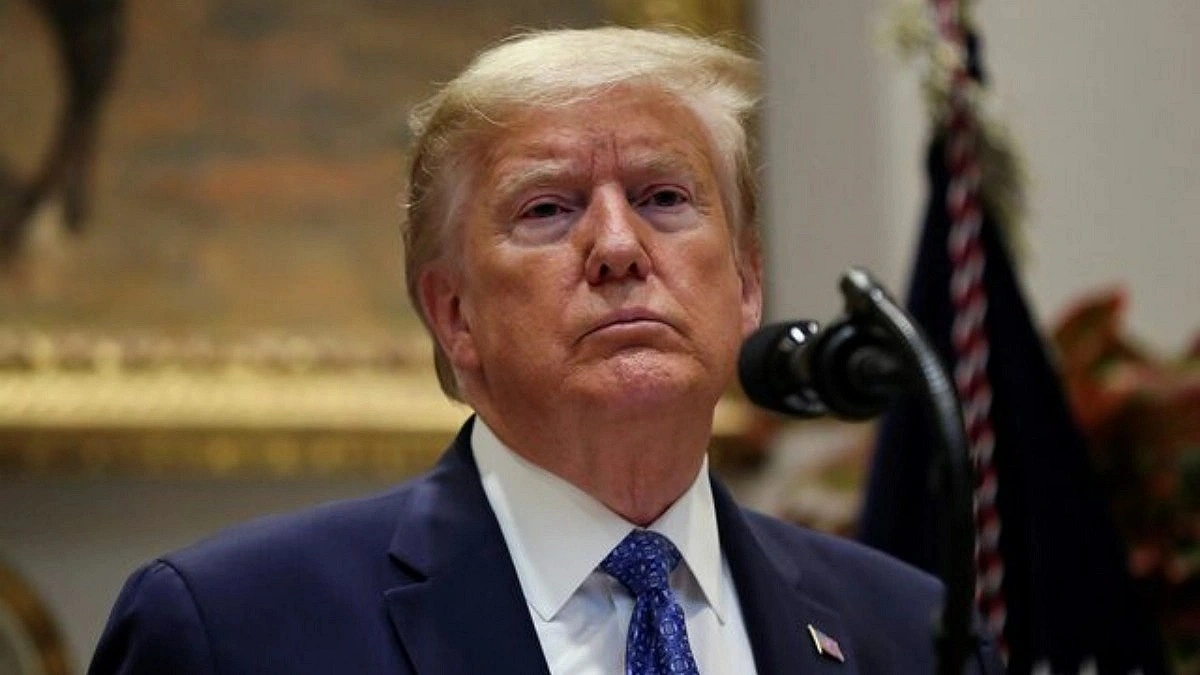
Photo: Reuters
A leaked draft of a proposed memorandum aimed at ending the war in the Middle East appears to favor Iran, prompting criticism from US President Donald Trump on Friday. Trump dismissed reports based on information from Western, Pakistani, and Iranian sources, describing them as inaccurate.
Western sources, sources involved in Pakistan’s mediation efforts, and senior Iranian officials shared various versions and descriptions of the proposed memorandum with international news agencies. Similar draft texts have also appeared in Iranian media outlets.
All sources stressed that the final text has not yet been completed. Western, Iranian, and Gulf sources said negotiations remain deadlocked over language related to a ceasefire in Lebanon. Iran insists that any agreement must halt Israel’s military campaign against the Iran-backed Hezbollah movement.
Although details vary slightly among the reported versions, all drafts indicate that several key demands Tehran has pursued during months of negotiations have been accepted, while some major US demands appear to have been dropped.
In a social media post, Trump did not specify which parts of the reports he considered inaccurate. However, he said the terms Iran had leaked to what he described as the ‘fake news media’ bore no resemblance to the conditions that had been agreed to in writing.
He also criticized Iranian negotiators, saying discussions with them had been extremely disrespectful.
Iranian Foreign Minister Abbas Araghchi said Friday that the memorandum was closer than ever before to completion. However, he urged observers not to speculate about its contents before negotiations conclude.
A senior US official, discussing the proposed agreement, referred to conditions that did not appear in the draft versions described by sources who spoke to Reuters. Among them was the destruction of Iran’s stockpile of highly enriched uranium.
According to the draft details shared with Reuters, the United States would immediately release several billion dollars in frozen Iranian assets and ease restrictions on Iranian oil exports if Tehran lifts its blockade in the Strait of Hormuz, which has been largely closed since the outbreak of the conflict.
Discussions on Iran’s nuclear program would be deferred to a separate 60-day negotiation process aimed at reaching a broader final agreement. For now, the only explicit reference to nuclear policy would be a reaffirmation of Iran’s longstanding pledge not to develop nuclear weapons, a position Tehran has officially maintained since ratifying the 1970 Nuclear Non-Proliferation Treaty.
The reported U.S. concessions also include discussions on potentially hundreds of billions of dollars in war reparations for Tehran and the withdrawal of longstanding demands aimed at restricting Iran’s missile program.
Source: Reuters (adapted)
