
19.2 million Afghans face severe hunger, UNICEF warns

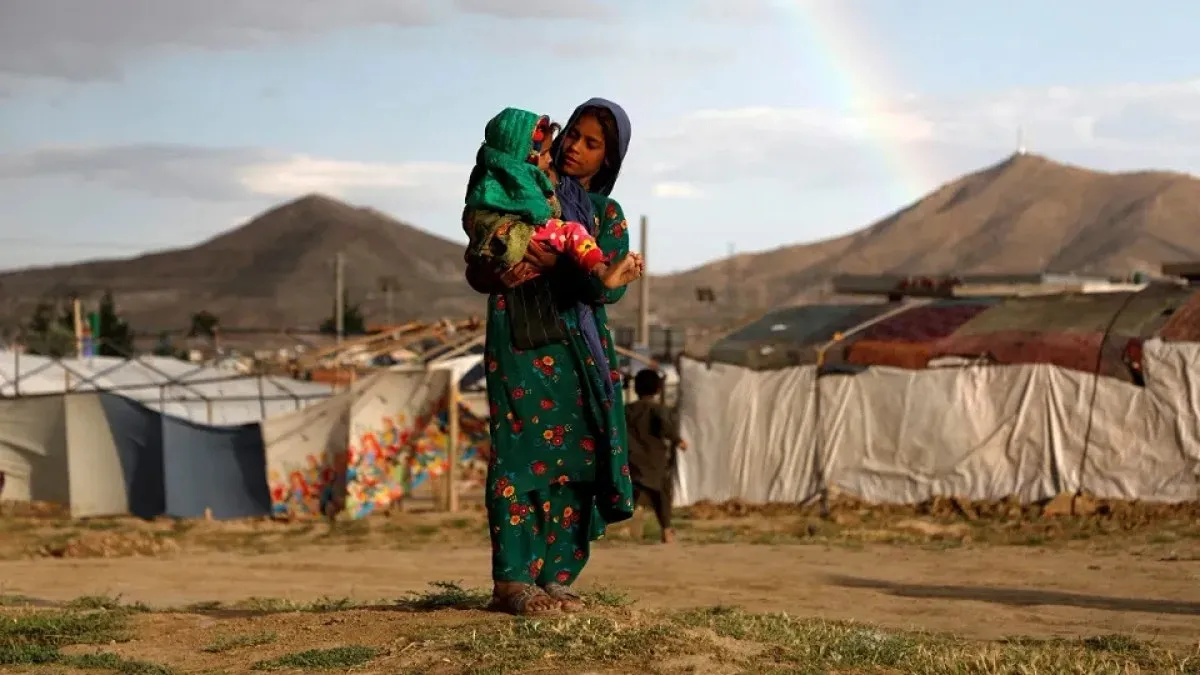
Photo: Reuters.
Nearly 19.2 million people in Afghanistan could face severe food insecurity during the coming winter, the United Nations children’s agency UNICEF has said. In its September humanitarian situation report, the agency said malnutrition is spreading among children. At the same time, funding shortages are threatening supplies of therapeutic food and essential emergency services needed to treat malnutrition.
The forecast, covering the period from November 2026 to April 2027, said nearly 5 million people could face emergency levels of food insecurity. Earlier, between August and October, 15.9 million people were experiencing crisis-level or worse food insecurity. According to food security assessments cited in the report, 3.4 million of them were facing emergency levels of food insecurity.
The UN children’s agency said that although rainfall and agricultural production conditions have improved, economic pressures and declining humanitarian assistance are limiting families’ access to food.
The report said that 21.9 million people in Afghanistan require humanitarian assistance overall, including 11.6 million children.
The rate of wasting, a dangerous form of malnutrition in which a child’s weight is too low for their height, has increased in 29 of the country’s 34 provinces compared with the beginning of 2026. The report said that acute malnutrition rates in 23 provinces have also surpassed the levels recorded in 2025.
According to the report, conditions remain critical in the southern provinces. Meanwhile, the situation has deteriorated further in northern areas, where there has been an unusual increase in the number of children seeking treatment for malnutrition. Between August and October, malnutrition rates reached record-high levels.
The report said that around 4.04 million children aged between six and 59 months may require treatment for acute malnutrition in 2027.
In September, UNICEF and its partner organisations screened around 1.3 million children for malnutrition. A total of 107,396 children were admitted for treatment. Of them, 60,608 were suffering from severe acute malnutrition, while 46,788 were affected by high-risk moderate acute malnutrition.
The agency provided nutrition services through 3,500 health facilities and 15,000 community health centres across the country. Nutrition counselling was provided to the caregivers of around 197,000 children. In addition, nearly 140,000 pregnant women received multiple micronutrient supplements.
However, shortages of specialised therapeutic food have threatened the continuation of treatment services.
The Nutrition Cluster, which coordinates nutrition activities among aid organisations, said there is a shortage of 210,000 cartons of ready-to-use therapeutic food, equivalent to 17 percent of the annual requirement. The report also said there is a shortfall equivalent to 65 percent of the ready-to-use supplementary food required for the remainder of 2026.
Although the Nutrition Cluster has raised $130.1 million, its operations still face a funding gap of 56 percent.
UNICEF’s own humanitarian appeal of $949.1 million had received only 48 percent of the required funding as of September 30, leaving a shortfall of nearly $491 million. Its nutrition programme faced a funding gap of 70 percent, while the shortfall in water, sanitation and hygiene programmes stood at 84 percent.
Of the overall $1.71 billion humanitarian assistance plan for Afghanistan, 67 percent of the required funding had not been secured by the end of September. UNICEF said funding shortages were reducing the scope of assistance and disrupting health, nutrition, water and protection services.
The return of a large number of people from neighbouring countries has also placed additional pressure on an already overstretched service system.
According to figures from the United Nations agency for refugees and migration cited in the report, around 1.3 million Afghans returned to the country from Pakistan and Iran between January 1 and October 3. Of them, around 715,400 returned from Pakistan and 581,600 from Iran.
Around 563,460 of those who returned were forcibly deported, mainly from Iran.
Families returning to the country are facing difficulties due to inadequate shelter, limited livelihood opportunities and problems accessing healthcare, education, clean water and protection services. UNICEF said the lack of necessary documentation is also creating obstacles for them in rebuilding their lives.
In September, the agency screened 23,408 children who had returned to the country for malnutrition and admitted 787 children for treatment.
Disease outbreaks have further complicated the humanitarian crisis. As of September 30, Afghanistan had recorded 35 cases of wild poliovirus, including 21 cases detected in August and September.
According to UNICEF, the infections were detected in 31 districts across 12 provinces. Of these, 20 cases were reported in the southern region and 13 in the eastern region. Environmental surveillance also detected the presence of the virus in 91 samples.
The report said that 36 percent of children infected with polio had not received even a single dose of oral polio vaccine through routine immunisation programmes.
UNICEF also said that Afghanistan is experiencing an outbreak of acute watery diarrhoea. The agency identified contaminated water, inadequate sanitation systems and limited awareness about disease prevention as major obstacles to controlling the outbreak.
Returning and displaced children are also facing various barriers to education, including shortages of classrooms and qualified teachers.
UNICEF said that in September, the agency and its partners established 200 temporary learning centres in Nangarhar province, bringing 5,061 children into education. Of them, 2,351 were girls. From January to September, around 44,138 children from returning and other vulnerable communities received education through approximately 1,538 temporary learning centres across the country. Nearly half of them were girls.
The agency said the continued movement of people, limited school infrastructure and difficulties in reaching remote and disaster-affected areas were hampering the implementation of these programmes.
The report said Afghanistan is facing the combined pressures of hunger, disease, displacement and repeated natural disasters. Funding shortages are further limiting the range of essential services available to families.
Source: Amu TV
