
Trump’s 'Aggressive' Diplomacy Hits a Wall with Iran

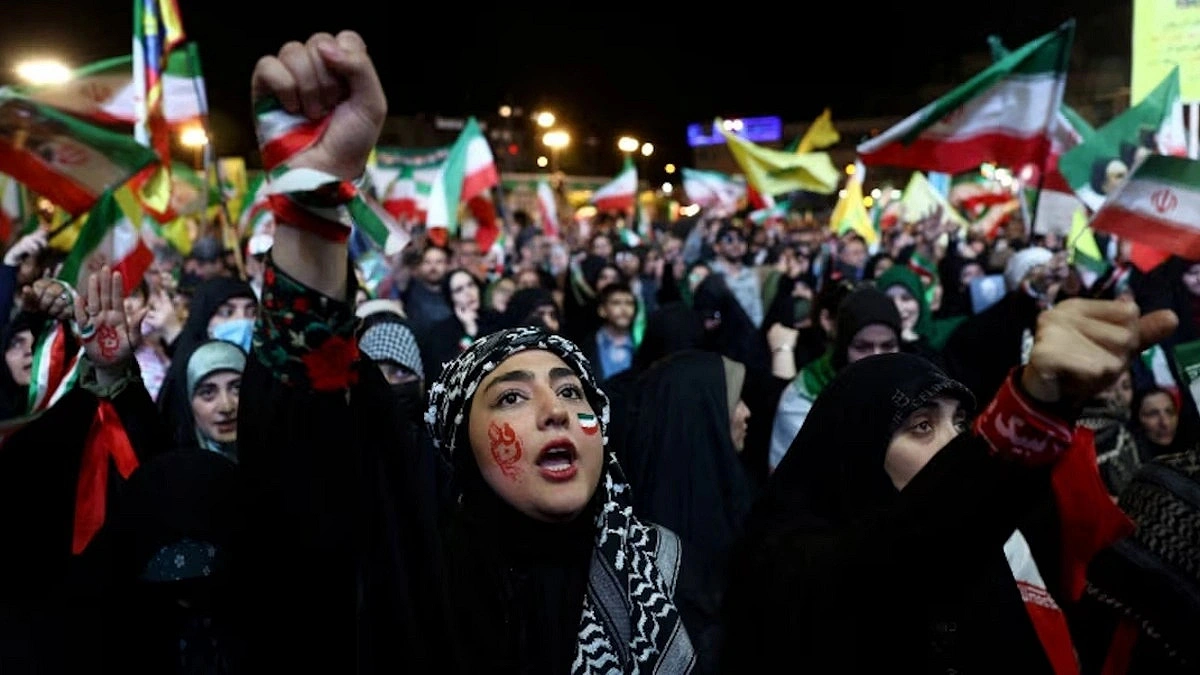
Photo Reuters.
In the first year of his second term back in the White House, US President Donald Trump has deployed his trademark bravado and aggressive negotiating style. From imposing tariffs to addressing various armed conflicts, he has extracted numerous concessions from other nations. However, Trump’s extreme brand of diplomacy seems to have hit an impenetrable wall.
Analysts suggest that the US President’s coercive diplomacy—characterized by public threats, insults, and ultimatums—has met its match in Iran. Trump's efforts to resolve a conflict that has shaken the global economy are increasingly being thwarted.
The stalemate between the two sides has pushed the Middle East crisis into its eleventh week. Although there are growing signs of frustration from Trump regarding the situation, there is no indication that he is softening his harsh stance toward Tehran's leadership.
According to experts, there are no signs of a swift resolution to this situation. If this state of geopolitical extremism persists, the crisis could drag on indefinitely.
Some analysts argue that a primary obstacle is the mindset of Iran’s rulers. For Iranians, honor and public image are paramount, even though many of their top leaders have been killed in US and Israeli strikes, and the Islamic Republic's military capabilities have been extensively damaged.
However, Iran's true strength lies in its geography. Tehran holds full control over the Strait of Hormuz, a choke point of critical importance to international trade, giving them a distinct advantage. Despite this, Trump maintains a diplomatic strategy filled with erratic demands, uncertainty, mixed signals, and highly offensive rhetoric.
Experts believe that Trump remains stubborn about securing an absolute US victory in the conflict, regardless of the realities on the ground. In other words, he expects a total surrender from Iran, which is highly unrealistic.
Rob Malley, a former Iran negotiator under the Obama and Biden administrations, noted, "Extremist diplomacy stands as a definitive barrier to a rational agreement. No government, let alone Iran, is willing to surrender under such conditions."
Amid the ongoing deadlock with Iran, Trump faces two major obstacles at home. First, fuel prices remain high in the domestic market. Second, the US midterm elections are approaching in November. Getting entangled in such a conflict ahead of the elections has caused Trump's popularity to slide, forcing him to confront significant domestic pressure. His Republican Party is also struggling to maintain control of Congress.
Nevertheless, White House spokesperson Olivia Wells defended Trump's diplomatic tactics, asserting that the President has a proven track record of securing good deals. She claimed that it is actually the Iranians who are desperate for a treaty, describing President Trump as a master negotiator who always strikes the right chord.
Donald Trump made his most alarming comment in April. Writing on Truth Social, he threatened that Iran's civilization would be completely wiped out if a deal was not made.
Following the incident, White House officials informed the Wall Street Journal that the message was impulsive and was not part of, nor intended to be, any official national security strategy.
Trump did eventually back down and agree to a ceasefire. However, on Easter Sunday, he issued a barbaric threat to destroy Iran's bridges and power grids. He has continued to reiterate that warning ever since.
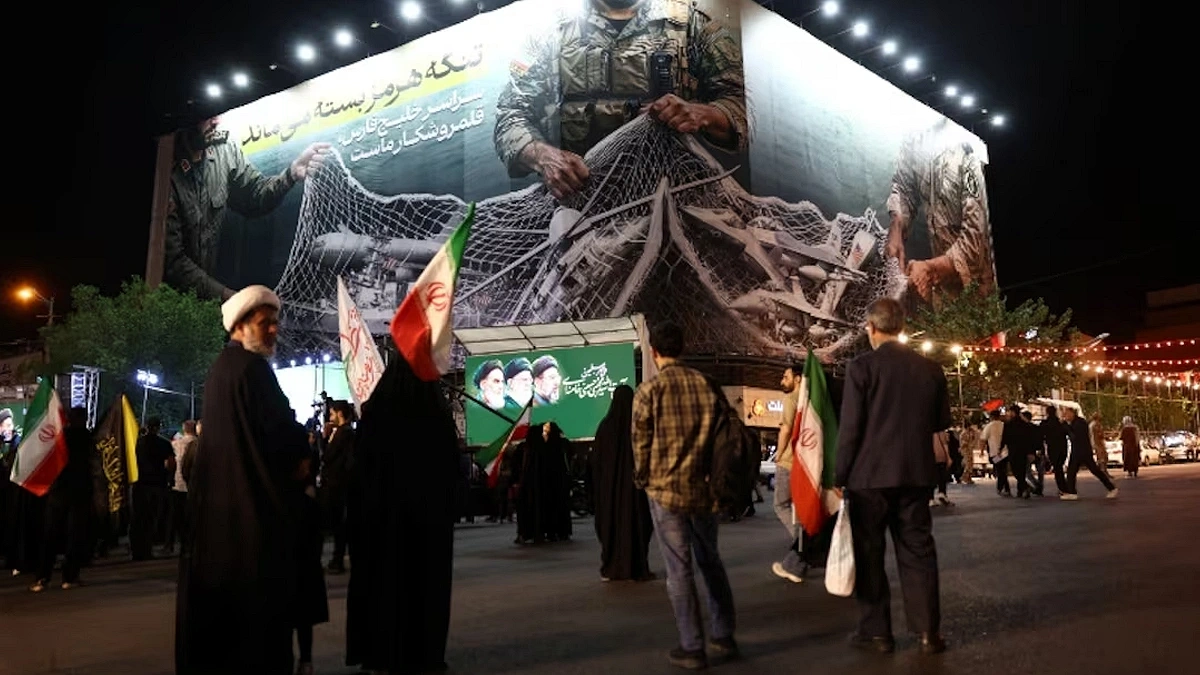
(Iranians respond to Trump's outrageous remarks with graphs, memes and digital content - Reuters)
He even repeated it to reporters last Friday aboard Air Force One on his way back from a visit to China. Last week, Trump told journalists that if they saw a massive ball of fire coming out of Iran, they should know the ceasefire had collapsed. Many interpreted this as a threat to use nuclear weapons, though Trump has consistently denied any intention of a nuclear strike.
When referring to Iranian leaders, Trump has used some of the vilest language in his vocabulary, branding them "crazy scoundrels," "lunatics," and "terrorists." In response, Tehran launched a massive counter-campaign, mocking him through graphs, memes, and social media posts.
Despite evidence to the contrary, Trump constantly claims that Iran is completely ruined and begging for a deal. The Iranians, however, have flatly denied this. Trump appears torn between demanding unconditional surrender on one hand and seeking a negotiated settlement on the other.
The Iranians maintain that simply surviving the military onslaught is a major victory for them, proving they possess the leverage to significantly impact the global economy.
Reuters reported that no efforts have been made from within the White House to restrain Trump’s rhetoric regarding Iran. Public opinion polls indicate that his "MAGA" movement stands firmly behind him. However, some prominent figures who supported him in the past have spoken out against the war and criticized his extreme threats.
Midnight Social Media
Trump’s harshest statements often appear on his "Truth Social" platform after midnight. These posts are usually published at highly delicate moments in the crisis. For instance, last month he abruptly announced a naval blockade of Iranian ports. Iran retaliated immediately, pushing an already fragile ceasefire to the brink of collapse.
Last Monday, Trump dismissed the latest peace proposal from Iranian officials as a "piece of garbage." Dennis Ross, a former senior Middle East advisor to both Democratic and Republican administrations, commented, "The President lacks strategic patience. The inconsistency in his rhetoric diminishes the weight of whatever message he intends to send."
While busy with his visit to Beijing, Trump largely refrained from launching severe verbal attacks on Iran. This is because China is a close ally of Tehran and a major buyer of its oil. However, some analysts suggest that if Trump truly wants an honorable exit from this conflict, he should speak less.
During his visit to Turkey last month, Iran's Deputy Foreign Minister Saeed Khatibzadeh told reporters, "He (Trump) talks way too much."
Iran's religious and military rigidity, combined with its long history of national pride, has brought Trump's coercive and aggressive diplomacy to a major standstill. The US President wants to showcase a total defeat of Iran, ignoring the realities on the ground, in his eagerness to secure a quick deal that guarantees a US victory.
In contrast, the Iranian delegation is following its traditional strategy of dragging out negotiations. According to former US diplomats, it is a flawed assumption to treat Iran like Venezuela or to believe that extra pressure alone will force them to yield. Such an approach could backfire on Trump’s strategy.
If subjected to US military strikes and intense threats while still at the negotiating table, Tehran might consider hardline military measures similar to those of North Korea. This could further increase their perceived need for a nuclear bomb for self-defense.
Consequently, a segment of analysts believes that Iranian leaders view Trump's erratic behavior as a sign of frustration. In the long run, this could damage US interests and ultimately leave Iran in a more advantageous position.
