
Trump Hardens Stance as Iran Ceasefire Talks Advance

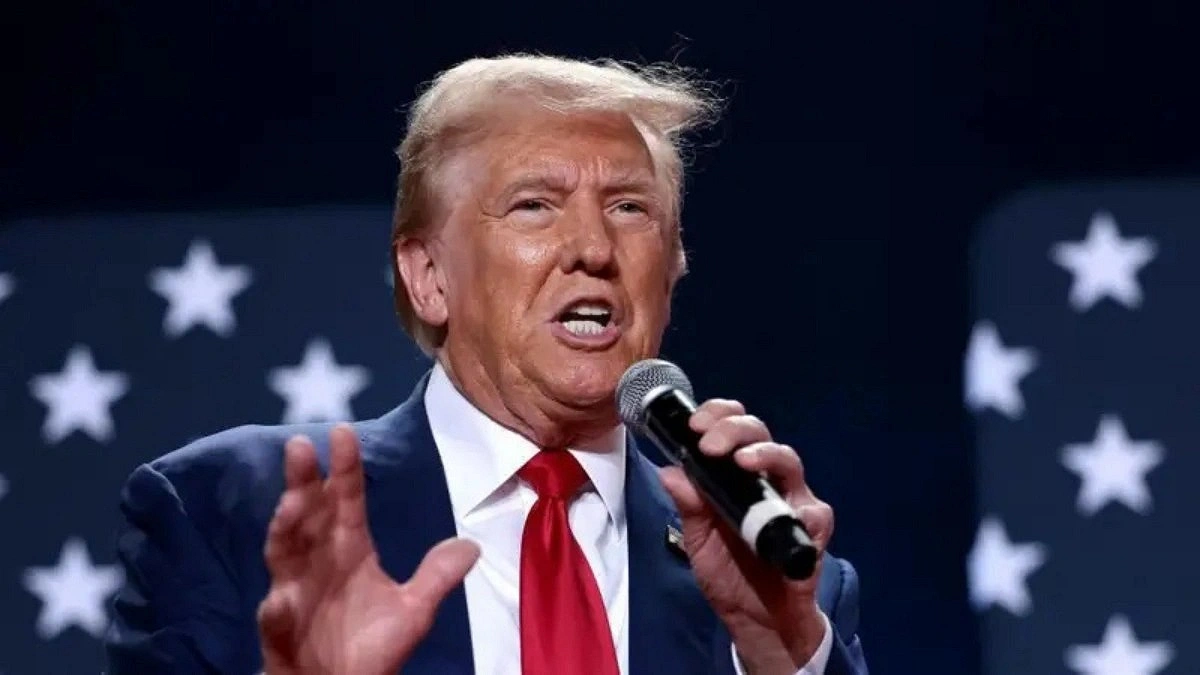
Collected Photo
US President Donald Trump has said a decision will soon be taken on a proposed extension of a ceasefire agreement with Iran, but he has set two clear conditions for any deal: ensuring free navigation through the Strait of Hormuz and the complete abandonment of Iran’s nuclear weapons capability.
Trump said on Friday that he would hold a final meeting in the White House Situation Room to decide on the proposed agreement. The plan under discussion would extend a ceasefire that began in early April by another 60 days, allowing both sides to continue negotiations toward a more permanent settlement.
A White House official said a two-hour meeting had already been held on the proposal. However, it remained unclear whether Trump had made a final decision afterward. The official said the president would only approve an agreement that protects US interests and meets his conditions, stressing that Iran must never acquire nuclear weapons.
A senior Iranian source said that negotiations were close to an understanding, although no formal approval had been reached, according to Reuters.
Trump later outlined two specific demands. He said Iran must lift restrictions in the Strait of Hormuz and fully dismantle its nuclear weapons development capability. In a post on Truth Social, he insisted that Iran must ensure it never builds nuclear bombs and that the Strait of Hormuz should be reopened immediately, allowing free and unrestricted shipping in both directions without charges.
Iran has pushed back against the demands, signaling disagreement. The semi-official Fars News Agency described Trump’s comments as an attempt to project a ‘false sense of victory’. It also claimed that the strait could be reopened under Iranian conditions if US sanctions on Iranian shipping are lifted.
Iranian Foreign Ministry spokesperson Esmail Baghaei said on state television that decisions regarding the Strait of Hormuz are jointly managed by Iran and Oman.
US Treasury Secretary Scott Bessent said any easing of sanctions would be implemented gradually.
Fars News also reported that there was a preliminary understanding on releasing $12 billion in frozen Iranian assets. However, Trump has said no financial transactions will take place ‘until further notice’.
Analysts say Trump’s statements may also reflect broader demands, including possible tolls in the Strait of Hormuz, compensation for war damage, or the return of frozen Iranian assets.
The negotiations come amid rising political pressure on Trump ahead of November congressional elections. Increasing tensions in the Strait of Hormuz have pushed up energy prices, fueling public dissatisfaction in the United States. At the same time, any concessions to Iran could trigger criticism from hardline factions within his own party.
The wider conflict involving the United States, Israel, and Iran, which began on February 28, has reportedly resulted in thousands of deaths in Iran and Lebanon. Instability in the Strait of Hormuz has also driven up global oil prices, adding pressure on the international economy.
International Atomic Energy Agency (IAEA) Director General Rafael Grossi said Kazakhstan has expressed willingness to receive Iran’s stockpile of highly enriched uranium if a deal is reached.
Iran, however, has said any final agreement must include the lifting of sanctions, reduction of US military presence in the region, and an end to Israeli military operations in Lebanon.
Despite cautious optimism over a possible deal, major differences remain between the two sides over Iran’s nuclear program, control of the Strait of Hormuz, and broader regional security issues.
Source: Reuters (adaptive)
