
US Top Intelligence Official Tulsi Gabbard Resigns

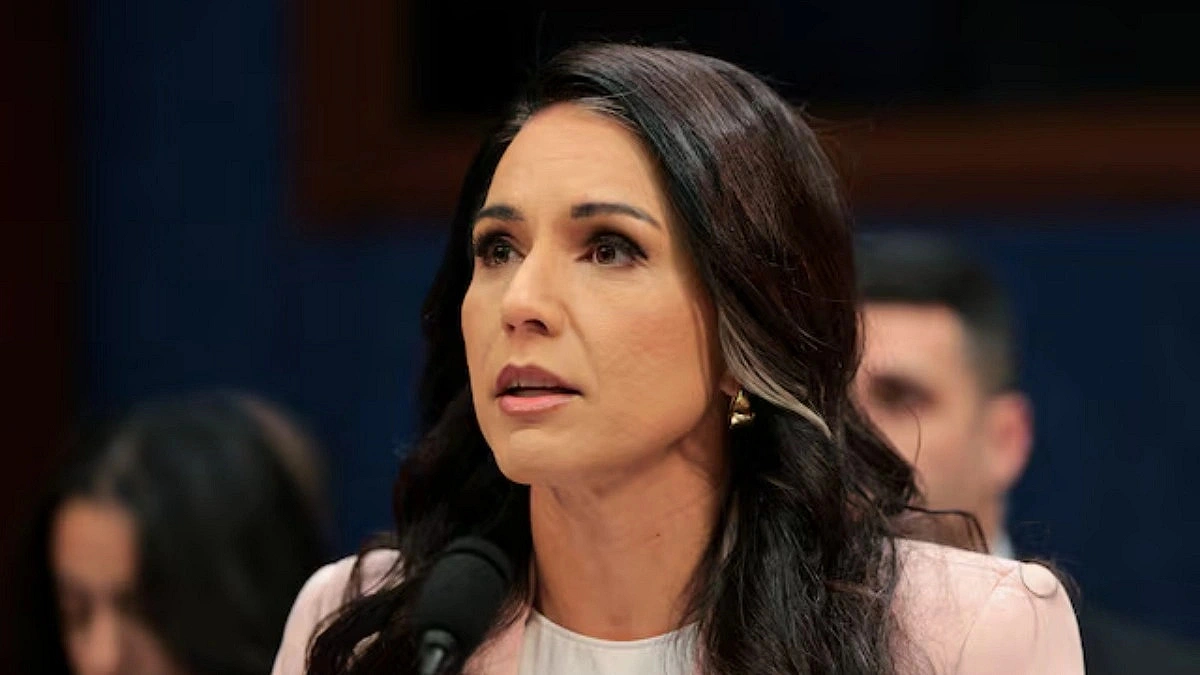
Tulsi Gabbard. Photo: Collected.
Tulsi Gabbard, the Director of National Intelligence of the USA under US President Donald Trump’s administration, has resigned. She announced her departure citing personal and family reasons.
In a resignation letter shared on her X (formerly Twitter) account, Gabbard said her husband was recently diagnosed with a rare form of bone cancer. She decided to step down to be by her family's side and attend to her personal situation.
Addressing President Trump in the letter, Gabbard wrote, "I am deeply grateful for the trust you placed in me and for the opportunity to lead the Office of the Director of National Intelligence over the past year and a half."
President Trump later confirmed Gabbard’s resignation on his Truth Social account. He wrote, "Unfortunately, after doing an extraordinary job, Tulsi Gabbard will be leaving the administration on June 30." Trump added, "Tulsi served with great distinction. We will miss her."
The Trump administration announced that Aaron Lucas, the Principal Deputy Director of National Intelligence, will serve as the acting Director of National Intelligence for the time being.
Gabbard previously served as a US Congresswoman representing the Democratic Party from 2013 to 2021. In 2020, she also ran for the Democratic presidential nomination.
As a former member of the Hawaii National Guard, she was deployed to Iraq during the US military campaign. Political analysts believe this firsthand experience shaped her strong stance against war and foreign military interventions.
She eventually left the Democratic Party and endorsed Donald Trump, citing his pledge to reduce US military interventions abroad as a key reason for her support.
At a Trump campaign rally in Detroit, Michigan, Gabbard had argued that former President Joe Biden's administration had dragged the US into multiple conflicts across various regions, increasing the risk of a nuclear war more than ever before.
However, Gabbard’s previous opposition to military action against Venezuela and Iran did point to some policy divergences with the Trump administration. She later supported the Trump administration's stance on Iran in coordination with Israel, stating that it is the president's responsibility to determine what constitutes an imminent threat and what does not. (Source: Al Jazeera)
