
‘The Rohingya crisis is political, not merely humanitarian’: AiPAH Chief Shwe Maung on the Rohingya crisis

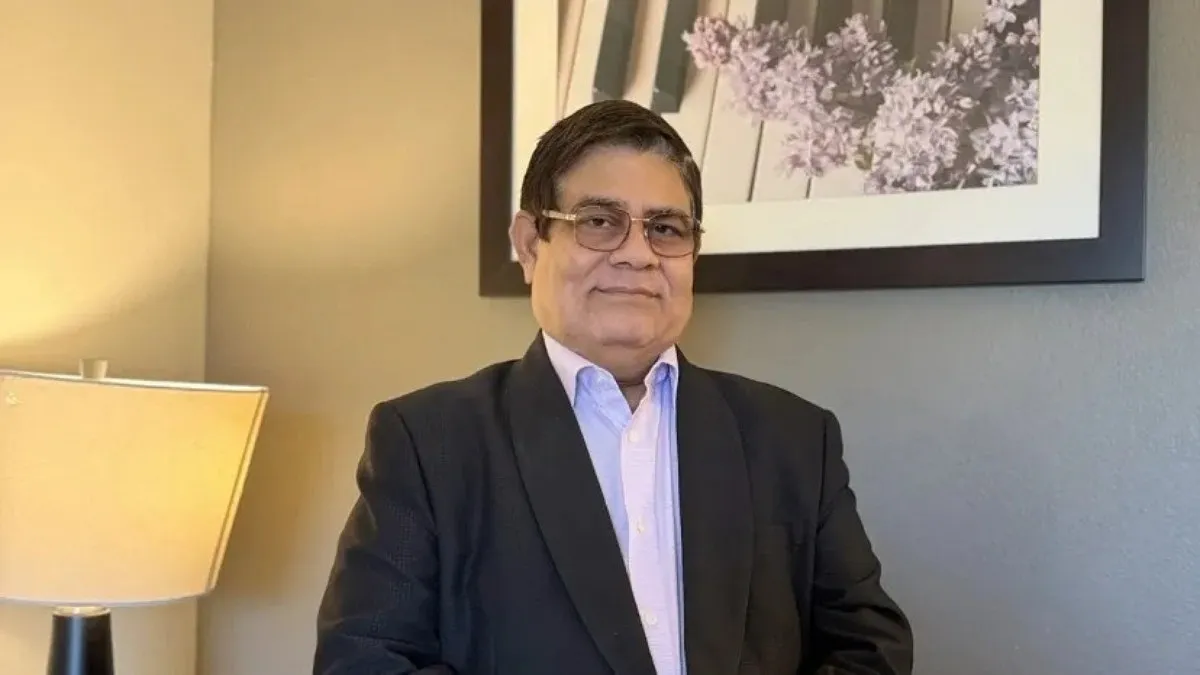
Photo: AiPAH Chief Shwe Maung
U Shwe Maung is a Rohingya rights activist and former politician who represented Buthidaung Township in Myanmar’s Pyithu Hluttaw, the lower house of parliament, as a member of the Union Solidarity and Development Party (USDP) from 2011 to 2015. He currently serves as President and Chief Executive Officer (CEO) of the Arakan Institute for Peace and Human Rights (AiPAH) and Chairperson of the Arakan Rohingya National Congress (ARNC). He is also identified as President of the Arakan Institute for Peace and Development. In addition, he is a board member of ASEAN Parliamentarians for Human Rights (APHR) and a founding member and co-founder of the International Parliamentarians for Freedom of Religion or Belief (IPPFoRB).
Shwe Maung has long been involved in advocating for the rights and identity of the Rohingya, a community that has faced longstanding discrimination and persecution in Arakan and across Myanmar. His own political experience reflects the challenges faced by Rohingya seeking representation and recognition. After being denied the right to contest the 2015 election, he came to understand that even an elected member of parliament could lose his political rights for standing up for Rohingya identity.
The interview was conducted via email by Shaekh Al Tamal.
Question: According to UN estimates, Bangladesh now hosts more than 1.5 million Rohingya refugees. In reality, the Myanmar junta remains unwilling to grant them citizenship unless they compromise on their identity, while the Arakan Army’s “Way of Rakhita” doctrine also excludes recognition of the Rohingya. Caught in this deadlock, do you see any pragmatic path for Bangladesh to secure their safe, dignified, and permanent return?
Shwe Maung: The Rohingya crisis is fundamentally a political crisis, not merely a refugee or identity issue. The deliberate labeling of Rohingya as “Bengali” has been used to deny their ethnic identity, citizenship, and equal rights in their ancestral homeland of Arakan. Bangladesh must move beyond refugee management and take a stronger diplomatic leadership role in pursuing a lasting political solution. It should mobilize the UN, US, UK, EU, ASEAN, China, India, and other influential partners to establish a coordinated international framework for safe, voluntary, dignified, and sustainable repatriation while addressing the realities of ULA/AA’s territorial control, political ideology, and treatment of Rohingya. Bangladesh must insist on recognition of Rohingya identity, full citizenship, equal rights, security, and meaningful political representation as essential conditions for sustainable return. It should also advocate credible international protection and monitoring mechanisms, including exploring the feasibility of an internationally protected safe zone, with Rohingya representatives meaningfully involved in all negotiations affecting their future.
