Chinese, South Korean youth explore green tech in Jiangxi

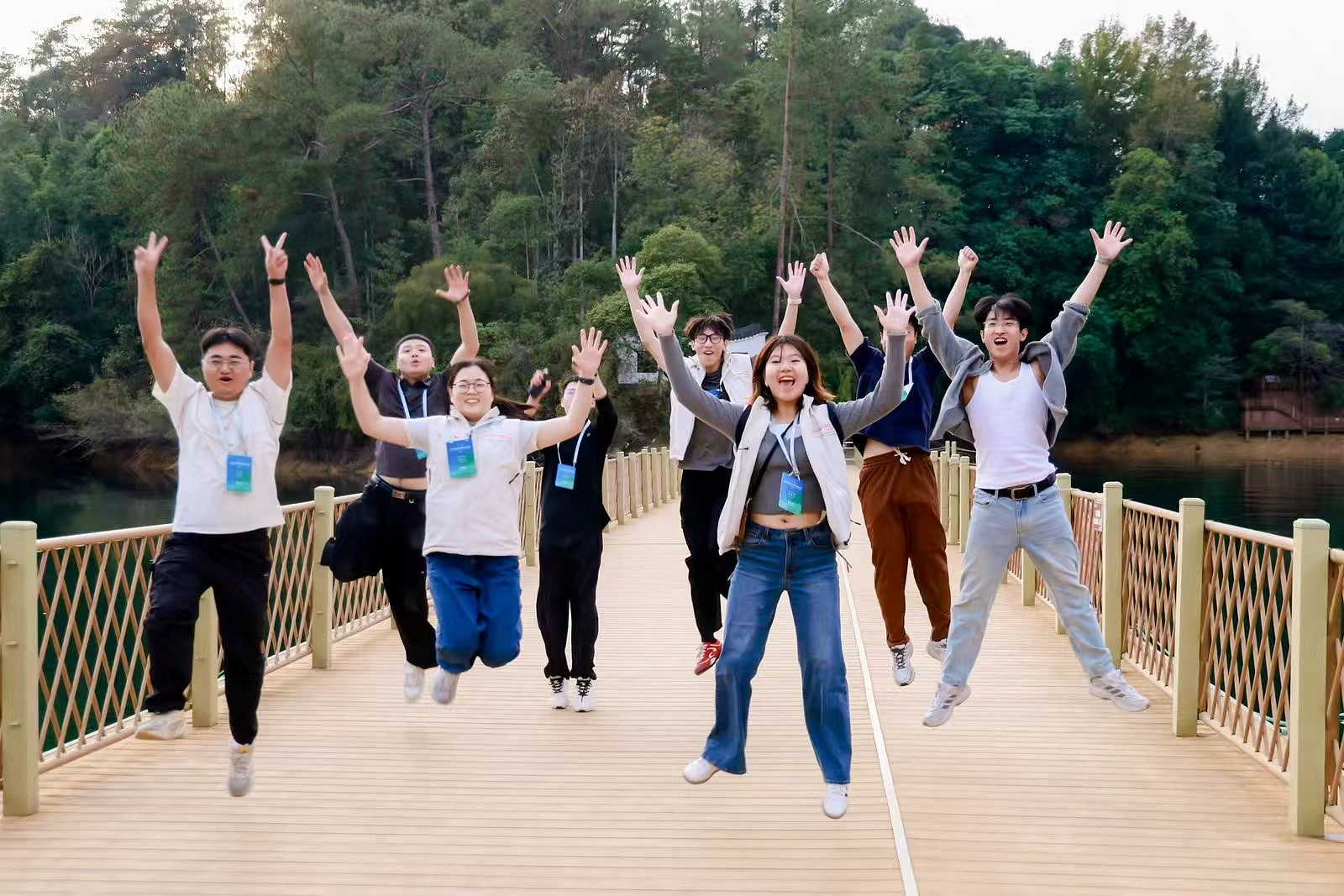
Fifty young representatives from China and South Korea participated in a youth exchange programme in China's Jiangxi Province, exploring sustainable development, environmental protection, technological innovation and cultural heritage while strengthening friendship and mutual understanding between the two countries.
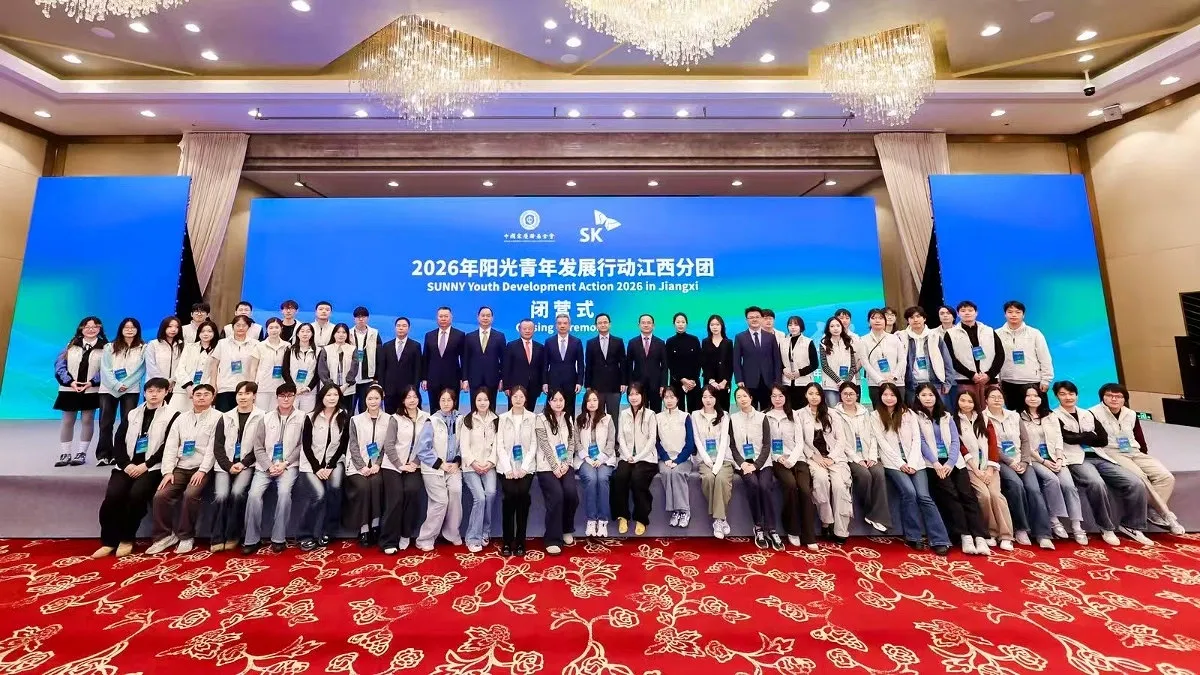
The Jiangxi segment of the 2026 SUNNY Youth Development Action programme, jointly organised by the China Soong Ching Ling Foundation and South Korea's SK Group, concluded with a closing ceremony in Nanchang, the provincial capital of Jiangxi.
Under the theme “Empowering Youth through Technology,” the programme brought together young participants from both countries to explore Jiangxi's achievements in green development, modern agriculture, industrial transformation, technological innovation and cultural preservation through field visits, academic exchanges, volunteer activities and interactive experiences.
During the programme, participants visited Ganzhou and Nanchang, gaining firsthand insights into how technological innovation and ecological conservation are contributing to China's regional economic and social development.
In Ganzhou, the young delegates visited the Gannan Navel Orange Industrial Park, where they learned about modern agricultural production, processing, and industrial development and participated in volunteer activities. They also visited the Xinfeng Cultural Centre, experiencing traditional Hakka culture and intangible cultural heritage.
In Shangyou County, participants explored local food-processing enterprises, the Ecological Pickleball Sports Centre and Yangmingbao Ecological Park, gaining insights into the integrated development of ecological conservation, sports, tourism and local industries.
At Nanchang University, the delegates attended a special lecture on technological innovation, delivered group presentations and exchanged ideas with university students on technology, sustainable development and social responsibility.
The participants also visited Jiangxi Flight University, where they learned about the province's aviation and drone industries and participated in flight simulation and drone operation activities. They explored the development of electric vehicles and intelligent manufacturing at Jiangling Group's new energy vehicle company and experienced virtual reality technologies at Nanchang's VR industry base.
The programme also featured visits to the Jiangxi Provincial Museum, Tengwang Pavilion, Wanshou Palace Historical and Cultural District and a modern tea production facility, providing participants with opportunities to appreciate China's rich history, traditional tea culture and cultural heritage.
Speaking at the closing ceremony, Jiangxi Vice Governor Xia Wenyong emphasised the important role of young people in strengthening people-to-people friendship. He encouraged Chinese and South Korean youth to deepen cultural exchanges, promote ecological conservation and explore cooperation in green technology and digital innovation.
Zhang Jiming, vice chairman of the China Soong Ching Ling Foundation, highlighted the importance of establishing more international youth exchange platforms and encouraging young people to translate their knowledge and ideas into practical action.
Launched in 2025, the SUNNY Youth Development Action programme aims to promote international youth exchanges, talent development, volunteer services and sustainable social development.
The 2026 programme brought together 150 young representatives from China and South Korea through three regional programmes in Yunnan, Sichuan and Jiangxi provinces, focusing on green development, water resource conservation, biodiversity protection, renewable energy and technological innovation.
Through shared experiences, academic discussions and practical activities, the initiative provided a platform for young people to overcome cultural and linguistic barriers, build lasting friendships and explore collaborative solutions to common development challenges.
The programme also demonstrated how international youth exchanges can contribute to sustainable development, technological cooperation and stronger people-to-people relations across Asia.