
Pentagon ready for new strikes on Iran, why is Trump hesitant?

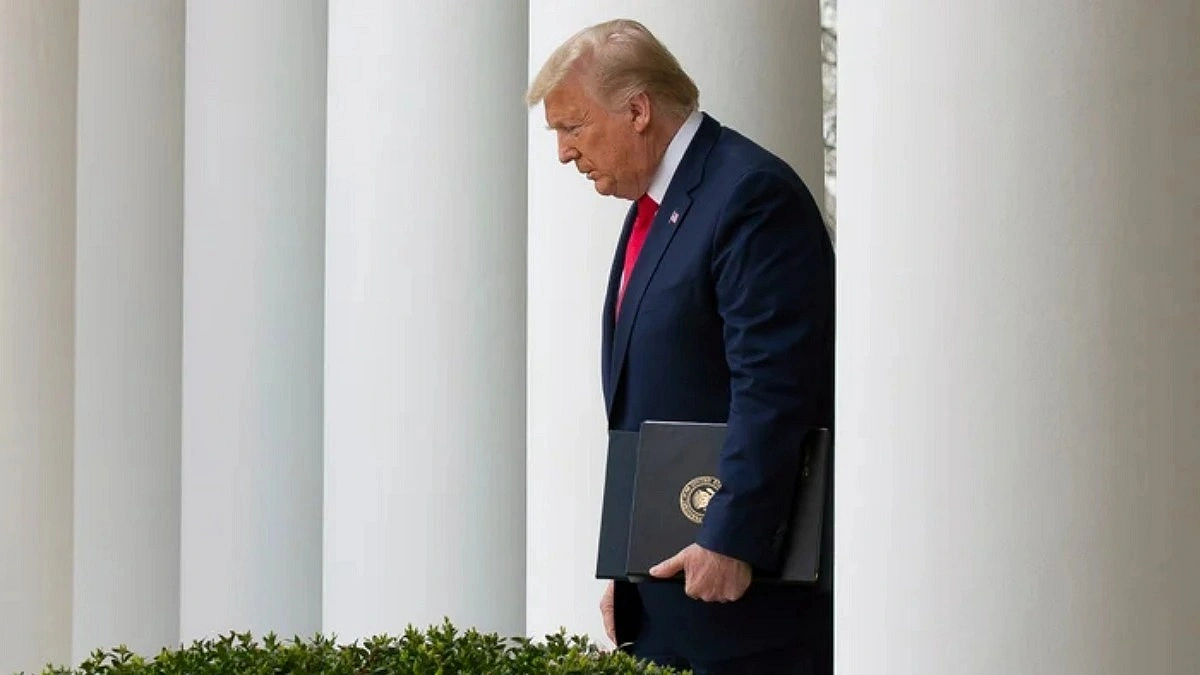
US President Donald Trump. File photo: Reuters
Although the Pentagon is prepared to launch another attack on Iran, US President Donald Trump has repeatedly called off such plans in recent months. On Thursday, he wrote on social media that he would not attack Iran before the midterm elections. He also said that “productive discussions” were underway between the United States and Iran.
While President Trump remains hesitant about resuming the war, US military officials say they are preparing options for launching a major military operation.
Three aircraft carriers will soon be deployed to the Middle East. The Pentagon is also planning strikes on Iran’s drone and missile stockpiles, energy facilities and other military bases.
However, Trump has repeatedly decided against resuming a major military campaign against Iran. Even after Iran attacked oil tankers, the US military response to Iran remained relatively restrained in recent weeks.
Political analysts say Trump is under pressure over the November 3 midterm elections. His approval ratings have hit rock bottom because of the unpopular war with Iran. The Republican Party is at risk of losing the elections because of his policies. With only 25 days remaining before the vote, he does not want to jeopardize his party’s prospects by entering a new war.
Officials said Trump’s national security team and the Pentagon have presented five proposals in recent months for major operations against Iran and Yemen’s Houthi group. Trump has rejected the plans each time.
However, Trump has ordered officials to prepare military strike options. Senior national security officials led by Vice President JD Vance discussed the plans at a meeting held at Camp David last Friday.
According to people familiar with the proposals, the plans are primarily based on a short but intense campaign lasting about three days.
The strikes would mainly target Iran’s missile and drone stockpiles. Iran’s Islamic Revolutionary Guard Corps has rebuilt a significant portion of these stockpiles since the early stages of the war. Other potential targets include Iranian energy facilities and command posts and headquarters of the Revolutionary Guard.
Officials have supported Trump’s assessment that diplomatic negotiations through mediators have made some progress.
However, negotiations over Iran’s nuclear program remain deadlocked. US officials want to reach an agreement on Iran’s nuclear ambitions or program first. Iranian negotiators, on the other hand, insist that the issue should be discussed last.
Iran has become a more formidable adversary as it has improved its military tactics over the past several months. US forces now need significantly more interceptors to shoot down Iranian missiles than they did at the beginning of the war. This is putting additional pressure on US ammunition stockpiles.
According to people familiar with intelligence assessments, Iran has become more effective at targeting US bases by using satellite imagery obtained from Chinese companies.
In a social media post on Thursday, Trump insisted that none of the oil passing through the Strait of Hormuz came from Iran. However, people familiar with intelligence reports said the claim was debatable. Iran allows certain ships to pass through the strait if they have paid a fee or if they are believed to be carrying Iranian oil.
US Suffers $38 Billion in Losses
Since the United States began attacking Iran in February, 81 US military aircraft have been destroyed or damaged over the past eight months. The financial losses amount to $38 billion.
The figures were published Monday in a report by the Congressional Budget Office (CBO). The CBO is an independent government agency that provides budget related research and information to Congress.
The list of damaged aircraft in the report includes 12 F-15E Strike Eagle fighter jets, one F-35A Lightning II fighter jet and seven KC-135 Stratotanker aerial refueling aircraft. Of the 81 aircraft identified in the report, 45 were MQ-9 Reaper drones.
Harlan Ullman, chairman of the government advisory firm Kilowen Group and a former naval officer, said, “The asymmetric nature of warfare proves that even small militaries and countries with limited capabilities can inflict extensive damage on the world’s best military forces.”
He told Al Jazeera that Iran had achieved some success in damaging US military equipment and bases in the Middle East.
Ullman explained, “The United States has many targets in front of Iran. It is easy to imagine how much damage even a small drone can cause to any major military asset. We have seen examples of this in Gulf countries during this conflict.”
The rising cost of the war against Iran is also creating political pressure on the Trump administration.
Earlier this year, citing the need for the war, his administration proposed a record $1.5 trillion in defense spending for fiscal year 2027, the highest defense budget in history.
However, the enormous spending proposal has raised concerns among members of Congress, particularly Democrats.
Last month, 45 Democratic senators and one independent senator sent an open letter to Defense Secretary Pete Hegseth demanding a transparent accounting of the war’s costs. They argued that a detailed breakdown of the expenses was necessary before Congress considered providing additional funding.
In a separate report published in September, the Congressional Budget Office estimated that the war with Iran had cost approximately $38 billion as of August 1. That amount is equivalent to Tk 468,000 crore in Bangladeshi currency.
The expenses include the cost of replacing ammunition and equipment used or lost in the war, as well as additional fuel costs and other operational expenses.
The agency said the conflict would cost an additional $2 billion if it continued for another month. However, it also noted that if the intensity of the conflict increased to the level seen in July, the monthly cost would rise to $3 billion.
Sources: The New York Times and Al Jazeera (Adapted)
