
Asim Munir Heads to Tehran with High-Level Security Delegation

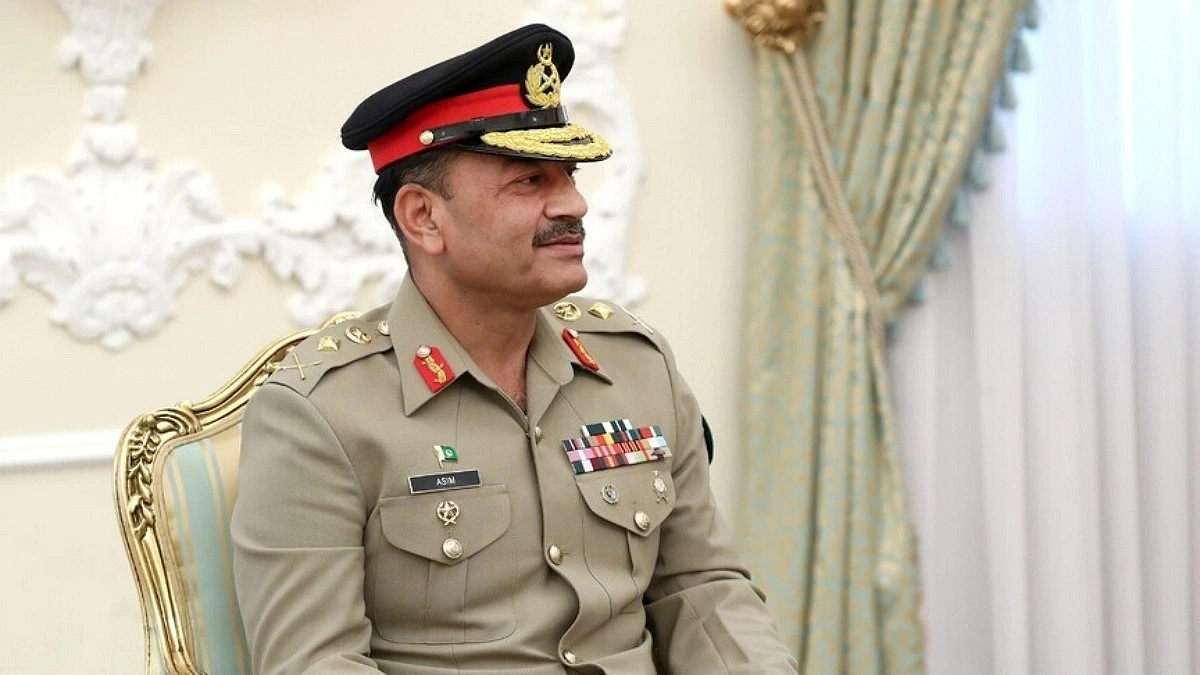
Pakistan Army Chief Asim Munir. Photo: Anadolu
Pakistan’s Army Chief Asim Munir has departed for Tehran leading a high-level security delegation. Meanwhile, Pakistan’s Interior Minister has been holding senior-level talks with Iranian officials for the past three days, according to Al Jazeera.
Two parallel narratives have emerged surrounding Munir’s visit. Critics suggest that either the Interior Minister’s talks have failed, prompting military intervention, or the negotiations have been successful enough to require Munir’s presence for a possible agreement signing.
Several analysts and military strategists view Munir’s Iran visit as a positive signal. They note that during his previous engagements, he not only met political leaders but also held talks with military officials.
Earlier, Munir also engaged with the IRGC and other defense forces, where he highlighted the strategic importance of a peace agreement.
US Secretary of State Marco Rubio commented on Munir’s Tehran visit, saying the United States remains in contact with him. He added that communication from the highest levels of the US government is ongoing.
Rubio also praised Pakistan’s role in attempting to mediate a peace deal between Washington and Tehran. Citing him, Fox News reported that Pakistan has been acting, and continues to act, as a key negotiator or mediator in the process, and that Washington appreciates its efforts.
Meanwhile, a report by Tasnim News Agency said Pakistan Interior Minister Mohsin Naqvi met Iranian Foreign Minister Abbas Araghchi during an official visit to Tehran to review proposals for peace talks.
The visit comes amid Pakistan’s ongoing mediation efforts between the US and Iran after the collapse of a second round of talks in Islamabad. Following a Pakistan-brokered ceasefire announcement on April 8, the first direct US-Iran talks were held in Islamabad on April 11–12 for the first time in history. No agreement was reached in that round, but no major breakdown occurred either.
Later, US President Donald Trump cancelled a scheduled visit by US Special Envoy Steve Witkoff and adviser Jared Kushner to Islamabad for a second round of Iran-related talks. However, he extended the ceasefire indefinitely at the request of Asim Munir and Prime Minister Shehbaz Sharif.
Pakistan continues to serve as a channel of communication between Tehran and Washington. However, key differences over Iran’s nuclear program, sanctions relief, the Strait of Hormuz, missile capabilities, and its ties with allied armed groups remain major obstacles to progress in peace talks.
