
Nearly 40 million people in Myanmar face risk of poverty: UNDP

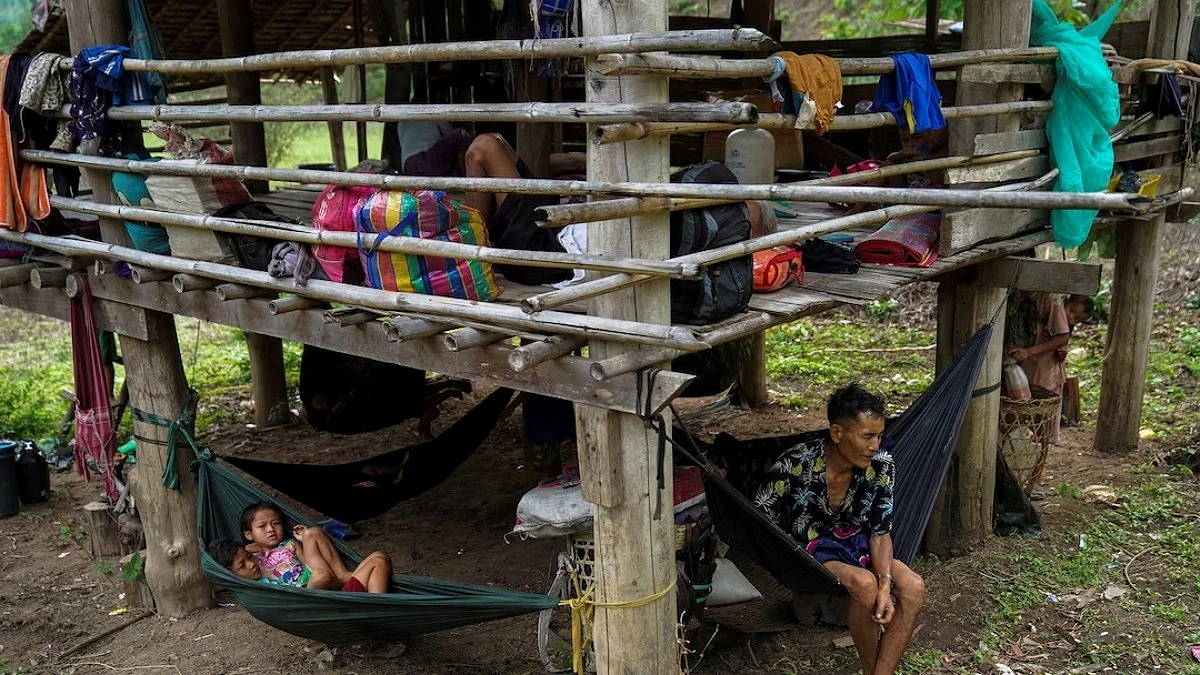
Two out of every three people in Myanmar are poor. Photo: Reuters
More than 37 million people out of Myanmar’s population of over 54 million are experiencing multidimensional poverty or are at risk of falling into it, according to a United Nations Development Programme (UNDP) report released on Thursday.
The report was based on a nationwide survey conducted in 2025 involving approximately 75,000 people. Against the backdrop of economic and political crises and natural disasters, the study examined not only income but also non-monetary deprivation in areas such as education and health care, along with other basic needs, to assess multidimensional poverty.
According to the report, around 18 million people, or 32.6 percent of Myanmar’s population, are experiencing multidimensional poverty. Another 19 million, or 35.5 percent, are vulnerable to it. In total, more than 37 million people, or 68 percent of the population, are experiencing poverty or are at risk of falling into it.
Kanni Wignaraja, UN Assistant Secretary General and UNDP Regional Director for Asia and the Pacific, said, “Myanmar may no longer be making international headlines, but the suffering of millions of people is growing. We are seeing a deep poverty in Myanmar that is destroying human development. This is a war in which no one can win. Everyone is losing. The country’s foundations are being systematically destroyed.”
The survey found that people in rural areas were poorer than those in urban areas.
UNDP identified Rakhine State as the hardest hit area in terms of both the severity and extent of poverty. Around 1.66 million residents there are experiencing the most severe forms of multidimensional poverty.
Sagaing Region ranks next, with approximately 2.38 million people experiencing relatively less severe poverty. Ayeyarwady Region ranks third.
According to UNDP’s analysis, the poverty situation has been driven by a combination of long-standing household vulnerabilities, including low levels of education, insecure employment and limited income, and broader pressures such as rising prices, natural disasters and armed conflict.
In conflict affected Rakhine and Karenni (Kayah) states, poverty has become more severe due to conflict, displacement and restrictions on movement.
