

Record $119 Billion Spent on Nuclear Weapons, US Leads

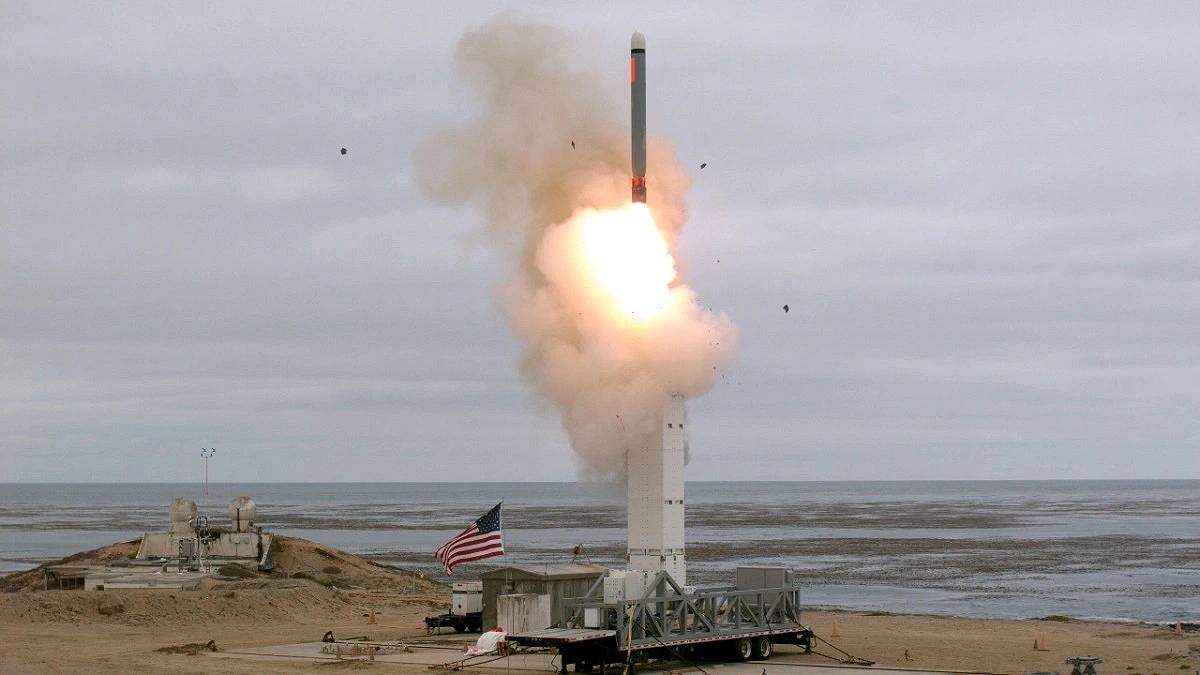
Photo: Reuters.
When some parts of the world struggle to cope with hunger, poverty, and the climate crisis due to lack of funds, the other parts keep on spending on nuclear weapons, or call it mass destruction. And, the spending has reached record levels.
Last year, nine nuclear-armed nations spent nearly $119 billion to expand their arsenals—the highest figure to date.
In just one year, spending in this sector increased by approximately $17 billion. The United States leads this massive expenditure race, with its single-country spending surpassing the combined total of all other nuclear powers.
These findings come from a report published by the International Campaign to Abolish Nuclear Weapons (ICAN), a disarmament-focused international organization.
The report, released on Tuesday, states that the world’s nine nuclear-armed states spent a total of $119 billion on their nuclear arsenals in 2025. This represents an increase of $16.8 billion from the previous year.
According to the report, the United States spent the most—approximately $69.2 billion on its nuclear weapons programs, which is $12.6 billion more than the previous year. This amount exceeds the combined spending of all other nuclear-armed nations.
China ranks second, spending an estimated $13.5 billion on nuclear weapons. It is followed by the United Kingdom at $12.6 billion, Russia at $9.5 billion, and France at $7.7 billion.
Meanwhile, spending by India, Pakistan, Israel, and North Korea ranged from $656 million to $2.8 billion. Among them, North Korea spent the least, while India spent the most.
According to ICAN’s calculations, nuclear-armed states collectively spent $471 billion over the past five years. These nations are also planning to maintain their nuclear arsenals for decades to come.
In the report’s summary, ICAN noted that this massive spending comes at a time when many countries are cutting investments in global public goods, including projects aimed at adapting to climate change.
"The organization comments that spending vast sums on nuclear weapons while withdrawing from climate adaptation agreements or failing to contribute fairly to preventing war through multilateral diplomacy means showing interest in creating, developing, and funding instruments of destruction rather than protecting humanity.
A day before the report's release, the Stockholm International Peace Research Institute (SIPRI), a Sweden-based research organization, warned that nuclear-armed countries are moving away from disarmament commitments and leaning toward modernizing and strengthening their arsenals.
Currently, the world’s nine nuclear powers collectively possess more than 12,000 nuclear warheads, the majority of which are controlled by the United States and Russia.
In 2017, the United Nations adopted the first legally binding global treaty to ban nuclear weapons. To date, 99 countries have signed, ratified, or joined the Treaty on the Prohibition of Nuclear Weapons. The treaty obliges states to refrain from developing, testing, or acquiring nuclear weapons and other weapons of mass destruction.
However, no nuclear-armed country has joined the treaty to date.
Since the early 1990s, the United States and Russia signed several agreements to limit the size of their nuclear arsenals. But the last such agreement, New START, expired in February of this year. No new treaty has yet entered into force in its place.
Source: Al Jazeera

