Deutsche Bank leak reveals Epstein payments, Trump tax slip

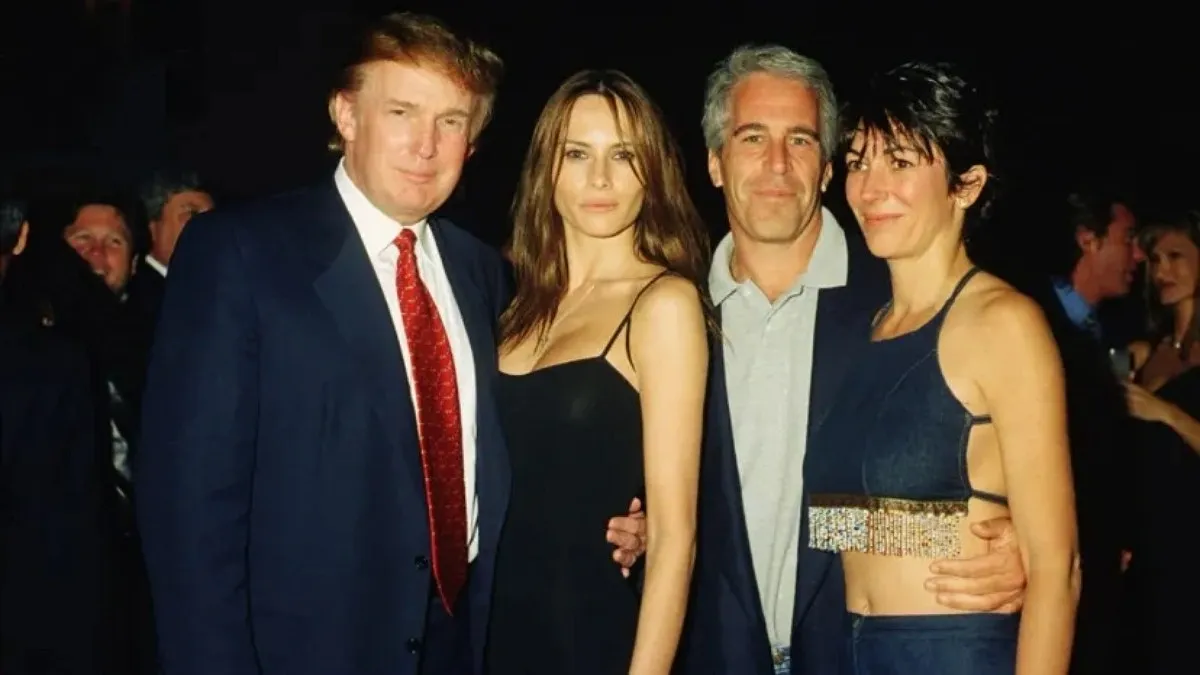
Collected Photo
Deutsche Bank shares tumbled sharply during early trading on Tuesday after whistleblowers leaked around 15 million internal files from the Frankfurt-based lender, uncovering historic breakdowns across its financial crime controls and risk management systems.
Media investigations exposed suspicious payments connected to the late convicted sex offender Jeffrey Epstein alongside an accidental disclosure of US President Donald Trump’s tax records.
The massive leak - comprising board minutes, emails, and internal investigative reports - highlights two decades of systemic operational failures spanning the bank’s core business units.
Following the revelations, Deutsche Bank stock dropped over 6 percent in early Frankfurt trading before settling 4.7 percent lower by 9:20 am ET.
Reporting by the Financial Times (FT) disclosed that the bank processed $582 million in suspicious transactions linked to Epstein, a figure far exceeding previous estimates, though suspicious payment filings do not independently prove criminal conduct.
The FT also revealed that during Trump’s first presidential term in March 2017, the bank inadvertently leaked his private tax details. CEO Christian Sewing, who headed Deutsche’s private banking division at the time, privately labeled the leak “an awful mistake”, while the institution chose to conceal the incident from the White House.
A global journalism consortium comprising more than 200 reporters from outlets like the FT, Der Spiegel, and Le Monde spearheaded the investigation. Their findings revealed that Deutsche Bank failed to offboard nearly 28,000 high-risk investment banking clients earmarked for removal by early 2018.
Moreover, the report alleges that bank leadership concealed critical information regarding cost targets in 2021, even as external monitors in New York warned that the bank’s risk appetite outpaced its existing internal controls.
The leaked documents additionally detail Deutsche Bank’s deep financial ties with Russian oligarchs and highlight transactions associated with Russian money-laundering operations. Outrage over these persistent Russian ties prompted whistleblowers to transmit the massive cache of files to Indian journalist Josy Joseph and South African journalist Khadija Sharife. These latest disclosures place the institution’s risk management standards back under intense international scrutiny following years of regulatory oversight and enforcement actions.
German law enforcement authorities have raided Deutsche Bank headquarters multiple times this year alone. Since 2012, the bank has paid roughly €18.6 billion ($20.5 billion) in regulatory settlements addressing allegations of money laundering, market manipulation, mis-selling, and financial misrepresentation.
Responding to the news, Deutsche Bank issued an official statement maintaining that the media reports reference historical matters from years past. The lender said, “Where relevant, we reviewed these matters at the time and worked closely with regulators.”
The bank emphasized that it underwent a “fundamental transformation” under CEO Christian Sewing, pointing to €7 billion invested into risk controls between 2019 and 2025.
The statement asserted, “Deutsche Bank is a different bank today and remains focused on executing its strategy which has proven successful, as evidenced by record profits in 2025 as well as in recent quarters.”
Meanwhile, CNBC reached out to Germany’s financial regulator, BaFin, seeking an official statement regarding the leaks but did not receive a response.
Source: CNBC (adapted)