
New plan for LNG supply
Third FSRU by 2028, land-based terminal by 2030

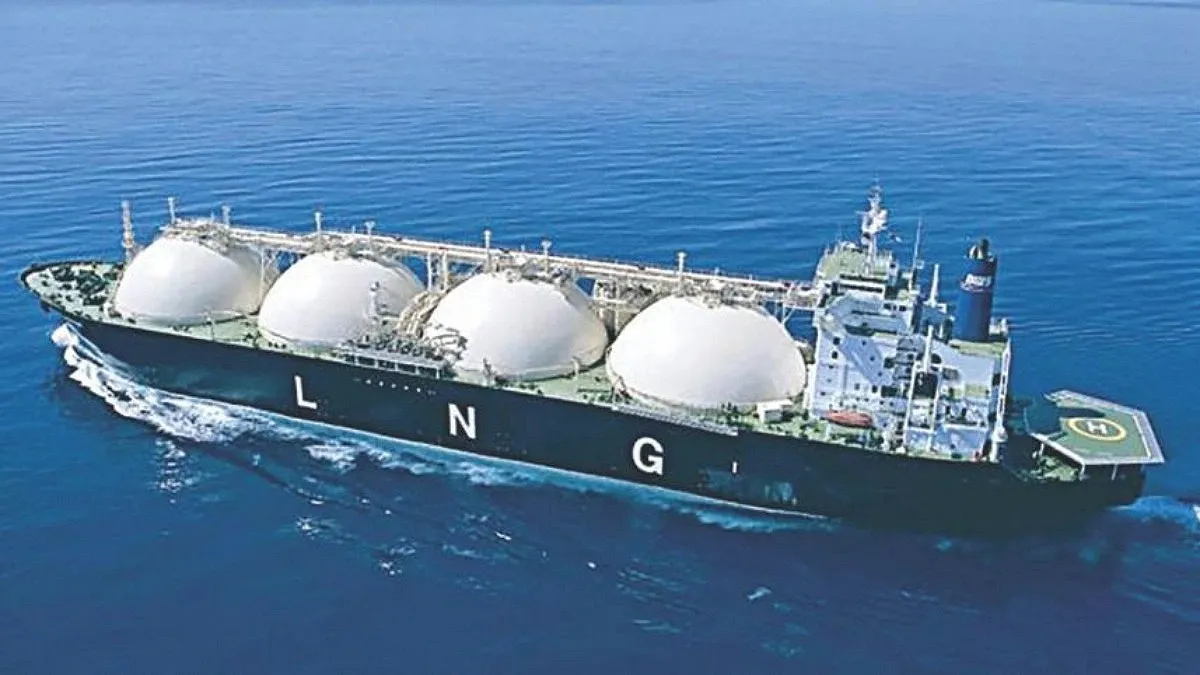
Symbolic image
Bangladesh has unveiled plans to expand its LNG supply infrastructure to ensure energy security amid volatility in the global energy market and supply disruptions. As part of the plan, the country aims to commission another floating LNG terminal (FSRU) in Maheshkhali with a capacity of 600 million cubic feet per day (MMCFD) by 2028 and a land-based terminal in Matarbari with a capacity of 1,000 MMCFD by 2030.
State Minister for Power, Energy and Mineral Resources Anindya Islam Amit disclosed the information while presenting Bangladesh’s future energy plans at the 15th LNG Producer Consumer Conference 2026 held in Tokyo, Japan, on Friday. The conference was held at The Westin Hotel in Tokyo under the theme “Advancing LNG for the Future: Resilience and Reliability.”
The state minister said energy security can no longer be limited to ensuring access to energy due to geopolitical changes, supply disruptions and market volatility. He said energy security must be ensured by focusing on reliability, supply diversification, affordability and flexibility.
He said energy consumption in the country is rising rapidly due to population growth, industrialization, urbanization and increasing demand for electricity. Although natural gas is important for power generation, fertilizer production, industries and commercial activities, domestic production cannot meet the additional demand. As a result, imported LNG has become an important part of the country’s gas supply system.
At the conference, the state minister said the country currently has the capacity to supply 1,100 million cubic feet of gas per day through two FSRUs. Annual LNG demand in the country is about 7 million tonnes. Plans have been taken to develop new infrastructure to meet this demand.
According to the plan, LNG supply capacity could increase by another 3 to 4 million tonnes between 2026 and 2030. The capacity could then be increased to 17 to 18 million tonnes between 2031 and 2040.
The state minister also highlighted plans to diversify the sources and methods of LNG procurement. He said the government is procuring LNG from various sources through government-to-government agreements, international tenders and direct purchases.
Mentioning that the government has adopted investment friendly policies to attract international investment, he also highlighted the recently announced Bangladesh Offshore Bidding Round 2026. He said the tender will remain open until November 30 and offers opportunities including government support for profit repatriation, tax payments and long-term revenue stability.
The state minister also said at the conference that Bangladesh is interested in working with international partners to build a safe, reliable and affordable energy system amid changing conditions in the global energy market.
