
Lancet report warns AI, nuclear war could end humanity by 2100

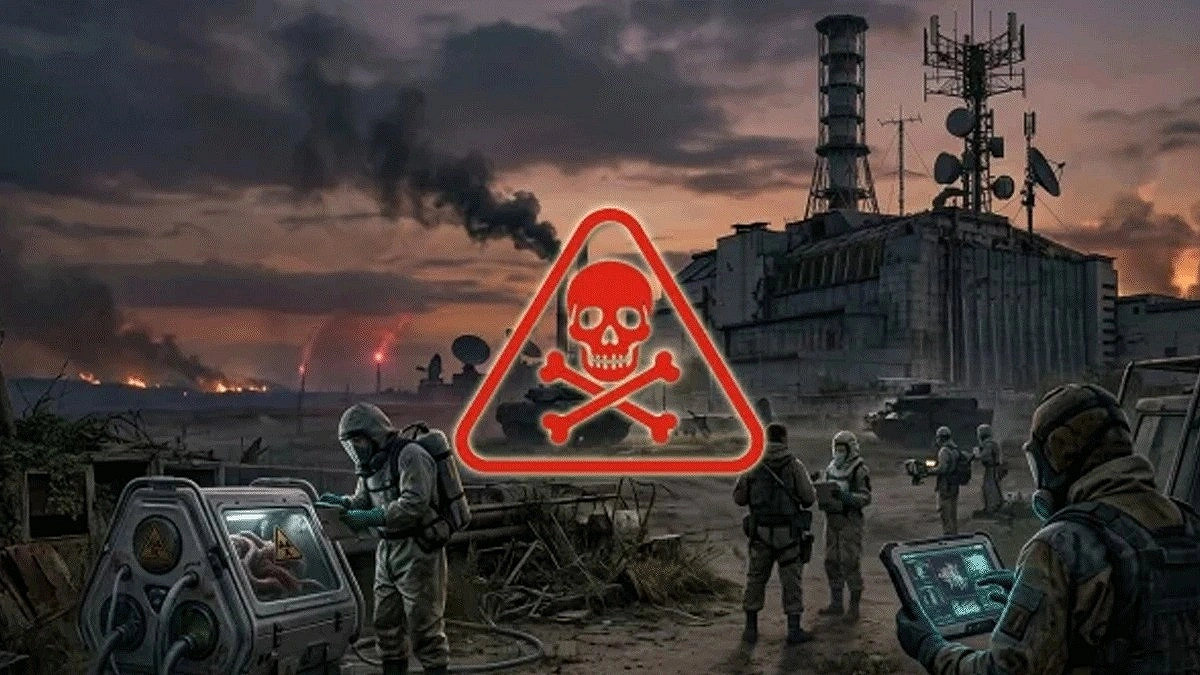
Collected Photo
A newly released global risk assessment warns that malicious use of artificial intelligence or nuclear conflict could cause human extinction by the year 2100.
These two hazards lead a comprehensive list of 17 major threats to human health over the coming 75 years, alongside climate crisis, childhood malnutrition, and severe aid spending cuts by wealthy nations.
Experts at The Lancet Commission on 21st Century Global Threats to Health said all 17 hazards interact closely, requiring unified action, though they stressed that “a realistic route to act” exists for every single threat.
Highlighting the urgency of strategic leadership, Christopher Murray, commission co-chair and director of the Institute for Health Metrics and Evaluation at the University of Washington, added, “Decisions made by leaders today will shape the health and wellbeing of the next generation.”
To formulate the ranking, researchers modeled projected losses of healthy years to disease, disability, or premature death based on current trajectories, utilizing disability-adjusted life years (Dalys) as their evaluation metric.
The report specifically cautioned, “Malicious use of AI, including bioweapons, and nuclear conflict with nuclear famine carry risks of extinction in the next 75 years.”
Although the likelihood of such catastrophes remains low, scientists noted that nuclear war could inject enough soot into the upper atmosphere to block sunlight and trigger global famine, while AI could facilitate the creation of deadly bioweapons that wipe out humanity.
An accompanying editorial in The Lancet echoed these fears, warning, “The scale of harm, should they be realized, would inflict an apocalypse on humanity.”
The commission classified hazards capable of causing over 1 billion cumulative Dalys as “major catastrophic threats”.
Beyond nuclear war and AI, this group includes air pollution, antimicrobial resistance, childhood malnutrition, climate breakdown, conventional conflict, declining overseas aid, high alcohol use, high blood pressure, income inequality, low educational attainment, naturally occurring pandemics, obesity, poor mental health, smoking, and unhealthy ageing.
To earn a spot on the list, a risk had to offer plausible solutions in addition to threatening vast numbers of lost healthy life years.
Commission member Ibrahim Abubakar, a professor of infectious disease epidemiology at UCL, explained that the initiative aims to empower rather than alarm leaders, saying, “We are not starting from a point of view of ‘oh look, we want to scare you – we’ve got X many threats facing humanity’. We’re starting from the premise that if you are a policymaker today, whether at the global multilateral level or at the national level, these are the potential threats that you could face, and this is the magnitude by which, if you act, you can actually make a difference.”
The study modeled both best-case and worst-case scenarios, revealing that curbing global heating to around 1.8C instead of allowing temperatures to climb to 4.4C would save 1.89 billion years of healthy human life.
Health drivers vary significantly across geographic and economic lines, with non-communicable diseases like obesity and poor mental health posing the greatest threat in higher-income regions, whereas low educational attainment drives major health loss in lower-income regions.
Meanwhile, major donor nations, including the US and UK, have recently enacted substantial reductions in their foreign aid budgets. The commission calculated that a steep decline or total collapse in international health aid could destroy up to 1.5 billion Dalys before 2100, with sub-Saharan Africa suffering nearly 70 percent of those losses alongside the worst burden of child malnutrition.
Composed of 35 international experts, the commission will formally present its findings on Sunday at the World Health Summit in Berlin, Germany, and plans to update its risk assessment annually with new data and emerging hazards.
The authors urged governments worldwide to invest in technological innovation and bolster health systems before these risks escalate into uncontrollable crises. Reflecting on the project’s evolving scope, Murray remarked, “We started this process three years ago, thinking that there were three big threats: conflict, climate, and pandemics.”
He concluded, “There’s a much larger number of threats that we need to worry about, and governments really need to dedicate some money and staff to the task of anticipation, prevention and preparation for this more diverse set of threats.”
Source: The Guardian (adapted)
