
Your train

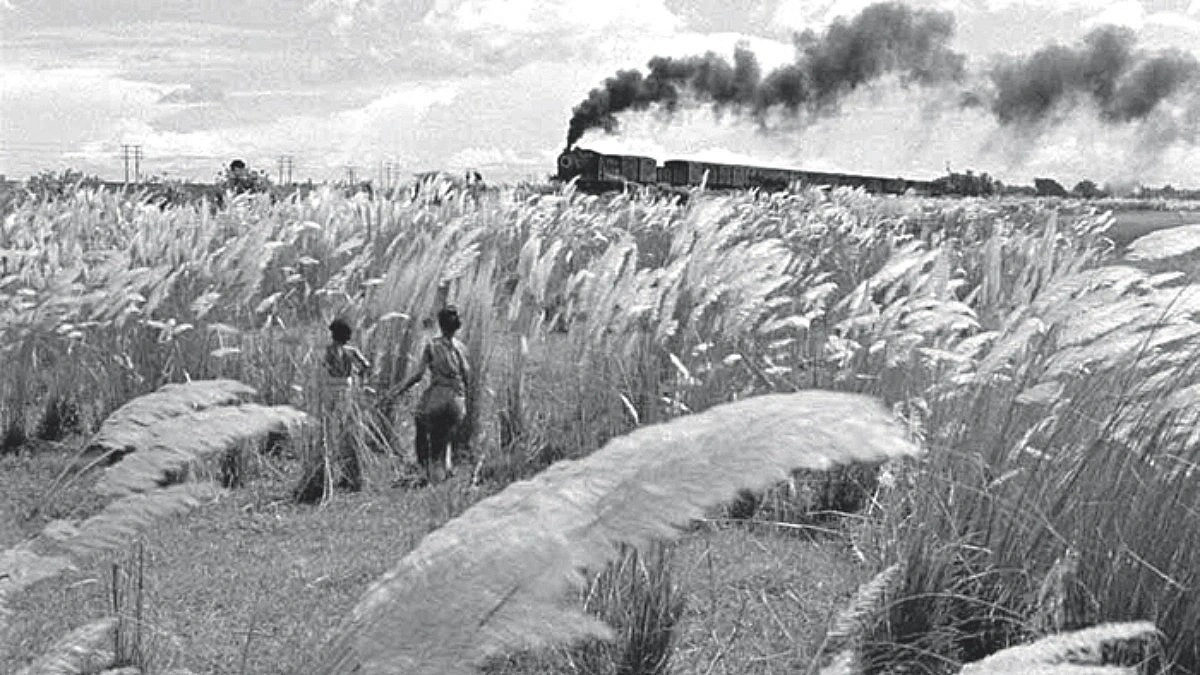
Apu and Durga go to see a train in the land of kash flowers. Photo: From Satyajit Ray’s film Pather Panchali
The arrival and departure of a train have always carried a shadowy feeling of finding and losing something forever. A train rushes into a station, dropping off many passengers. Each of them brings a different story to the station. Those stories contain laughter and busyness. Then the same train takes many passengers away, leaving the platform empty. With them go fragments of joy and sadness from the past few days. Empty peanut packets flutter in the wind on the platform, while old newspapers from the day lie abandoned on benches.
Stories also gradually unfold inside the train compartments like temporary spider webs. The stories race toward their destinations along with the movement of the train. Then, at some point, the whistle blows. The train stops. The stories inside the compartments disappear at another station. Trains arrive with the stories of life, and trains also leave.
Jibanananda Das wrote in his poem:
“Why do I leave you behind!
This train, this night, this cold,
Is this what I want!”
Standing amid the kash flowers spread out like white fog, Apu and Durga from Bibhutibhushan Bandyopadhyay’s novel Pather Panchali once watched a train pass by. The sense of wonder and joy created within the two characters continues to captivate readers of literature to this day.
Renowned filmmaker Satyajit Ray captured that train and the kash flowers on celluloid. The sight of the two siblings running through the kash flowers, followed by the train disappearing in a long shot, seemed to give Pather Panchali immortality once again.
In the 1970s, Bangladeshi poet Abul Hasan wrote in a poem, “At night, I do not like to hear the train whistle.” The train’s whistle becomes a flute in the poem, playing the melody of Behag inside the mind.
This dynamic mode of transportation carries a strange mixture of separation and reunion. Writers around the world have used this feeling in stories and novels. Filmmakers have also made use of it. As a result, the train itself has become a character in stories, poems and films.A scene from Murder on the Orient Express
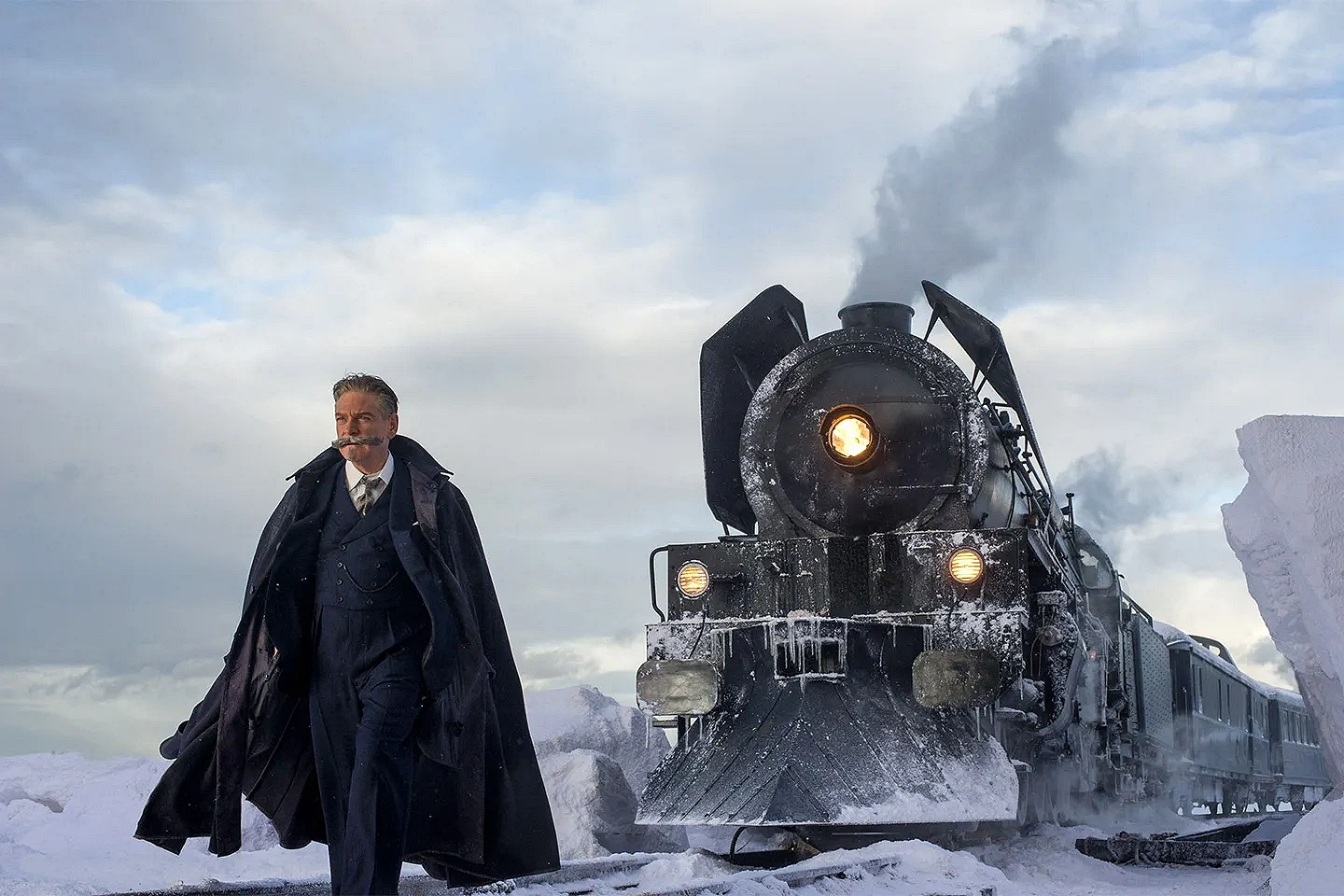
In renowned mystery writer Agatha Christie’s novel Murder on the Orient Express, a mysterious murder story enters the compartments of a train. Agatha Christie’s detective character Hercule Poirot investigates the murder that takes place on a moving train. In this chilling story, the train itself also becomes a powerful character. Several films have been made based on this mystery story.
In twenty first century writer Paula Hawkins’ novel The Girl on the Train, a female train passenger becomes a witness to a horrifying incident taking place at a house in the distance as she looks through the train window.
However, the novel Anna Karenina by renowned Russian novelist Leo Tolstoy goes beyond the boundaries of a thriller. The central female character ultimately commits suicide by jumping under a train. Interestingly, Tolstoy himself did not like traveling by train. Literary critics say he actually presented the train in the novel as a merciless force of technology that brings nothing but destruction.
Buddhadeva Bose’s novels Basar Ghar and Raat Bhore Brishti, as well as his short story Dui Bondhu, contain accounts of fleeting relationships on night trains. However, he also wrote a widely read poem titled Rater Train, included in his poetry collection Kankabati. Throughout the poem, the moving train becomes a living character, embodying stories of time, mechanization and the dynamic separation of modern people.
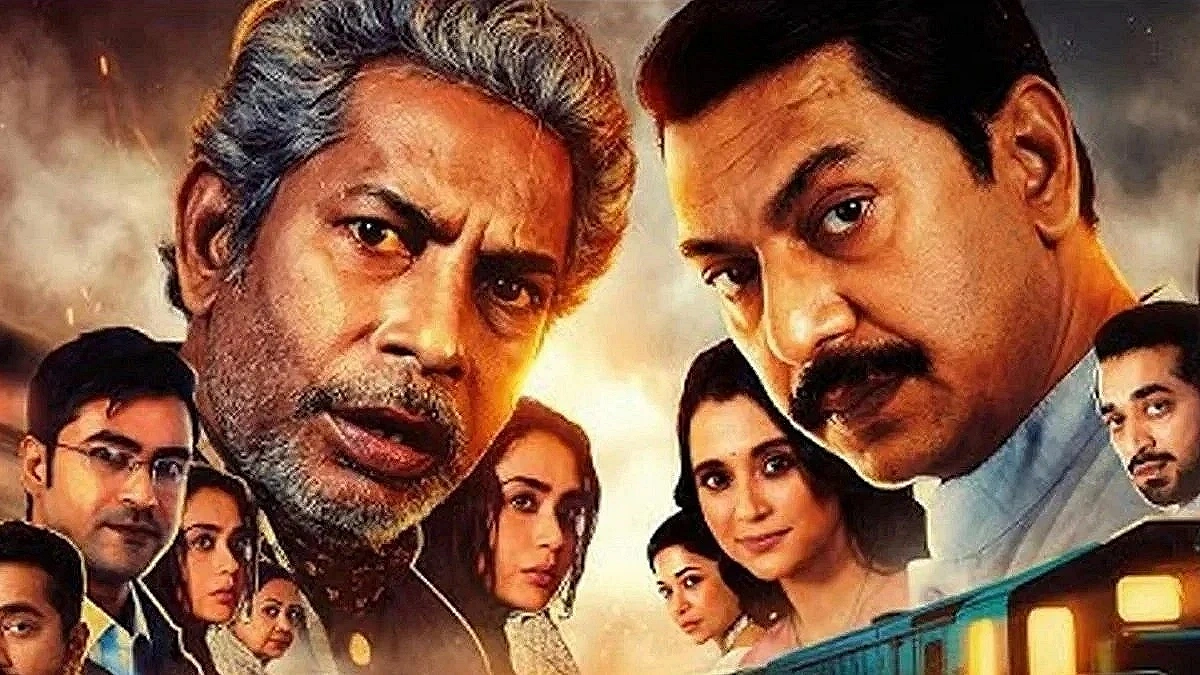
The late fiction writer Humayun Ahmed’s novel Kichhukkhon revolves around a long train journey, presenting differences in human behavior and thought through various settings and characters. A film based on the novel, titled Bonolota Express, was recently made and has stirred audiences.
The train is a story of someone leaving or returning. Whether in the previous century or in the present day, the stories of trains continue to preserve the broken histories of fleeting relationships.
