


The Coffee Enema craze: what it is, what it promises, and what science actually says


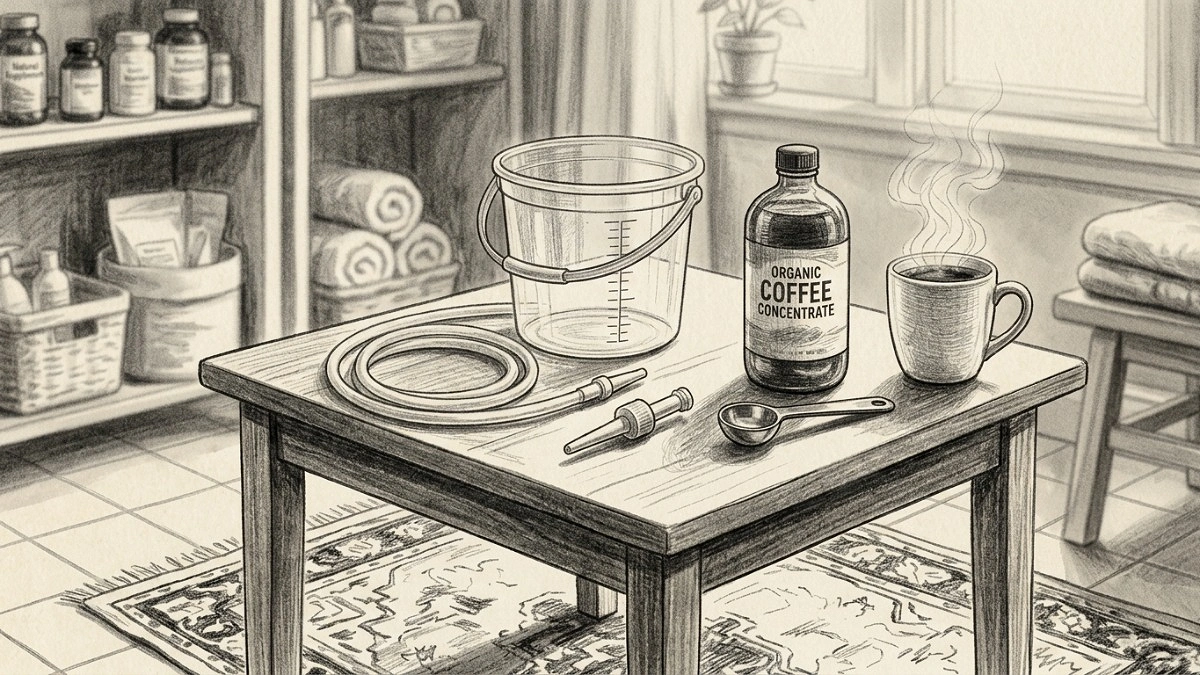
Graphics: Generated By AI
Walk into any wellness forum, alternative health clinic, or detox retreat today and you may hear someone recommend a coffee enema. It sounds strange the first time you hear it. Coffee, the drink millions of people sip every morning, injected not through the mouth but through the rectum. Yet this unusual practice has built a loyal following among people chasing detoxification, clearer skin, more energy, and even cancer relief. The question worth asking, especially for readers who care about their health, is simple. Does it work, and is it safe? The answer, according to medical research, is far less encouraging than the marketing suggests.
What Exactly Is a Coffee Enema
A coffee enema involves brewing coffee, cooling it to body temperature, and introducing it into the rectum and lower colon through a tube, rather than drinking it. The practice is distinct from a regular water enema, which simply flushes the bowel. With coffee enemas, the idea is that caffeine and other coffee compounds are absorbed through the lining of the colon and travel to the liver, supposedly triggering a release of toxins and stimulating the production of an enzyme called glutathione S transferase, which the body uses in its natural detoxification processes.
The practice is not new. It dates back nearly a century, gaining early attention in the 1920s and 1930s as part of the Gerson Therapy, a controversial alternative cancer treatment developed by Dr. Max Gerson. The therapy combined a strict plant-based diet with frequent coffee enemas, sometimes several times a day, based on the belief that this combination could starve tumors and cleanse the body of disease. Though mainstream medicine never validated Gerson’s claims, the coffee enema survived and resurfaced repeatedly in wellness culture, most recently as part of the broader detox and cleansing movement that markets juice fasts, colon cleanses, and other unproven remedies.
The Claimed Benefits
Supporters of coffee enemas make a long list of promises, and it helps to understand exactly what people are told before examining whether any of it holds up.
The most common claim is detoxification. Advocates argue that the liver filters toxins from the blood and that a coffee enema helps flush these toxins out faster than normal digestion allows. This idea rests on the belief that modern life, processed food, pollution, and stress overload the body with harmful substances that need active removal.
A second claim is increased energy. Some proponents report feeling more alert and less fatigued after a coffee enema, attributing this to caffeine entering the bloodstream through the colon and stimulating the nervous system without the digestive discomfort some people feel after drinking coffee.
Others describe improvements in mood, mental clarity, and even skin appearance, arguing that clearing the colon of built-up waste reduces inflammation throughout the body. Within cancer wellness circles, some patients turn to coffee enemas hoping to relieve pain, ease nausea from chemotherapy, or support their body’s fight against tumors, often as a complement to conventional treatment rather than a replacement, though some unfortunately use it instead of medical care.
Constipation relief is another frequently cited benefit, since any enema, coffee based or otherwise, can trigger a bowel movement by stimulating the rectum and stretching the colon wall.
What the Science Actually Shows
This is where the story changes considerably. Medical researchers and gastroenterologists have examined these claims for decades, and the scientific consensus is not favourable.
Start with detoxification, the central promise behind the practice. The human liver and kidneys are highly efficient organs that filter the blood continuously and remove waste products through urine and stool without any external help. There is no accepted physiological mechanism by which introducing coffee into the rectum enhances this process. No peer reviewed clinical study has demonstrated that coffee enemas increase glutathione levels in humans in a way that produces measurable health benefits. The original animal studies that inspired the theory, conducted decades ago, do not translate cleanly to how the human body actually functions, and modern toxicology experts widely reject the framing that the body needs help detoxifying itself through the colon.
On energy and mood, any perceived boost is most plausibly explained by ordinary caffeine absorption, similar to what happens when a person drinks coffee, combined with a placebo effect. Believing a treatment will make you feel better often does make you feel better temporarily, regardless of whether the treatment has any real physiological action. There is no controlled trial showing that rectal caffeine absorption produces effects meaningfully different from oral consumption, and dosing this way is far less predictable and more dangerous.
On cancer, this is the area where scientific bodies have been most direct. Major cancer research organizations, including the American Cancer Society and the National Cancer Institute in the United States, have stated clearly that no scientific evidence supports coffee enemas as a treatment or cure for cancer. The Gerson Therapy itself has been studied and found lacking in rigorous evidence. Some patients who abandoned conventional treatment in favor of coffee enemas and similar alternative regimens saw their disease progress without the benefit of therapies that actually have proven track records, such as surgery, chemotherapy, and radiation.
Regarding constipation, doctors acknowledge that any enema can produce a bowel movement, but this has nothing uniquely to do with coffee. Plain water achieves the same mechanical effect with a much lower risk profile.
The Real Side Effects and Risks
While supporters focus on benefits, medical case reports document a troubling range of harms linked to coffee enemas, some of them severe.
Electrolyte imbalance is among the most dangerous and well documented risks. Repeated enemas can disturb the body’s fluid and salt balance, leading to dangerously low potassium levels, a condition called hypokalaemia. This imbalance can cause muscle weakness, irregular heartbeat, and in extreme cases has been linked to fatal heart rhythm problems.
Rectal and colon injury is another serious concern. The rectal tissue is delicate, and inserting a tube incorrectly, using water that is too hot, or performing the procedure too frequently can cause burns, perforation of the bowel wall, or severe inflammation. There have been documented cases of colitis, meaning inflammation of the colon, directly caused by repeated coffee enema use.
Infection risk rises when equipment is not properly sterilized. Bacteria can be introduced into the bowel or, in rare and serious cases, into the bloodstream, a condition known as sepsis, which can be life threatening.
Dehydration is also common, particularly among people who perform coffee enemas frequently as part of an aggressive detox regimen, since the procedure draws fluid into the bowel and can worsen fluid loss.
There have also been documented deaths associated with coffee enema use, generally linked to severe electrolyte disturbances or bowel injury, underscoring that this is not a harmless wellness ritual but a medical procedure with genuine risk when performed outside clinical supervision.
Why the Practice Persists Despite the Evidence
If the science is this clear, why does the coffee enema remain popular? Part of the answer lies in how alternative wellness culture operates. Personal testimonials carry enormous emotional weight, often more than statistics or clinical trials, especially for people facing frightening diagnoses like cancer, where conventional medicine cannot always offer certainty or comfort. A story from someone who felt better after a coffee enema can feel more persuasive than an abstract scientific paper, even though individual stories cannot rule out placebo effects or the natural ups and downs of illness.
Distrust of conventional medicine also plays a role. Some people feel dismissed by doctors or frustrated by the slow pace of research, and turn toward practices that promise more direct control over their own bodies and health outcomes. Coffee enemas fit into a broader pattern seen with juice cleanses, activated charcoal drinks, and other detox products that promise to purge toxins the body already removes on its own.
What Medical Experts Recommend Instead
Doctors generally advise against coffee enemas, citing the imbalance between unproven benefits and documented risks. For genuine liver support, medical professionals point to established habits with real evidence behind them, including limiting alcohol intake, maintaining a healthy weight, eating a balanced diet rich in vegetables and fiber, and avoiding unnecessary medications that strain the liver. For constipation, doctors recommend increasing dietary fiber, drinking adequate water, and staying physically active, with laxatives or standard enemas used under guidance when necessary. For cancer, oncologists stress the importance of evidence-based treatment, delivered through hospitals and clinical protocols that have been tested in large scale trials, rather than substituting or delaying that care with unproven detox methods.

