
France orders mass evacuation of Cap Ferret as wildfires rage across western Europe

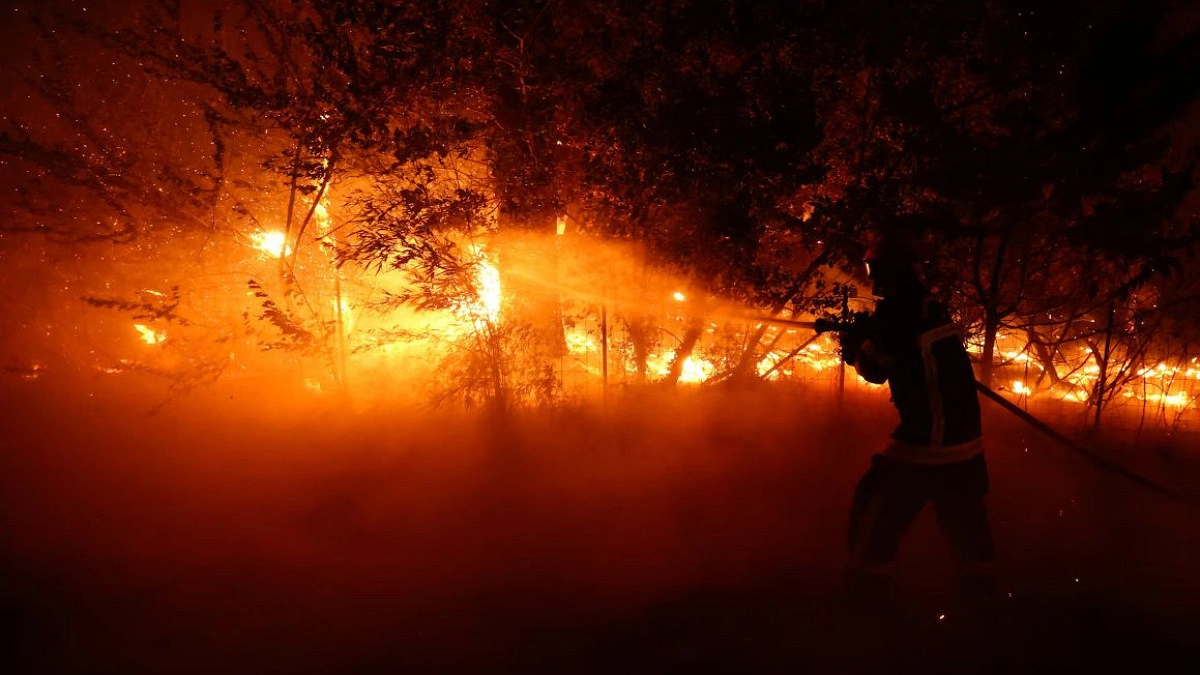
Photo: Reuters.
Scorching heat and fierce winds drove devastating wildfires across western Europe on Friday, forcing France to request EU assistance and pushing Spain's Madrid region to declare a state of emergency.
In France, authorities ordered a complete evacuation of the Cap Ferret peninsula—a popular summer getaway on the Atlantic coast. Boats were dispatched to ferry residents and tourists out of the area as a massive blaze closed in. The order, affecting an enclave packed with high-value holiday homes and busy campgrounds, underscored the grave threat posed by the flames.
Sophie Brocas, prefect of the Nouvelle-Aquitaine region, announced on Friday that evacuees could depart from piers in four local villages between 7:00 AM and 10:00 AM local time. She warned that anyone still in those communities after that window must leave either by sea or via the single road linking the peninsula to the mainland. The fire has already scorched 8,700 hectares (approximately 21,500 acres) and continues to burn out of control.
Elsewhere in France, the southeast faced its own onslaught. Dozens of blazes erupted around the historic village of Cotignac, fanned by the fierce mistral wind. Officials confirmed that roughly 25 homes had been destroyed since Tuesday.
EU Steps In as Macron Warns of 'Intense' Crisis
President Emmanuel Macron confirmed that France had activated the EU's civil protection mechanism to secure reinforcements, cautioning that the situation remained "very intense." In response, EU crisis management commissioner Hadja Lahbib stated on Thursday that the bloc would deploy three water-bombing aircraft to assist French firefighters.
Near Bordeaux, the crisis has been particularly acute. Over 20,000 people—the vast majority of them tourists staying in campsites and rental properties—have been evacuated since Wednesday as a separate inferno ravaged a coastal pine forest. While authorities reported that the northern flank of that fire had been contained, the southern edge remained volatile. The skies above towns like Le Porge turned an eerie orange as smoke billowed from crackling pine trees, with helicopters making repeated sorties over deserted streets.
The disaster has already claimed lives. Two firefighters perished on Tuesday while battling a blaze near Bordeaux Airport.
Spain Declares Emergency Amid Widespread Devastation
In Spain, the government declared a state of emergency for the Madrid region, where more than 10,000 residents have been displaced in recent days. Emergency alerts were issued to people in Aldea del Fresno, a municipality west of Madrid, ordering immediate evacuations. Firefighters, backed by specialized units, are working to contain the outbreak, which is dangerously close to another major fire near Toledo that forced the evacuation of several villages on Wednesday—though most residents there were allowed to return by Thursday.
Meanwhile, hundreds of firefighters and military personnel continue to battle an even larger wildfire in Guadalajara province, north of the capital. Virginia Barcones, head of Spain's civil protection, did not mince words, stating that "climate change is what kills, what destroys our villages and our natural and cultural heritage." She warned that some fires grow so ferocious that, even with air support and ground crews, firefighters stand "no chance." While conditions at the Guadalajara blaze are improving, she cautioned that strong winds and extreme heat still pose significant dangers.
Italy Battles Arson and Blazes in the South
Italy also found itself under siege, with thousands of emergency personnel fighting numerous fires across Sicily and the Calabria region. In a shocking development, a local official in Calabria alleged that arsonists had started some fires by tying flammable-liquid-soaked rags to the tails of stray cats, using the animals to spread flames. Italy's interior minister confirmed that a firefighter succumbed to illness while battling the Sicilian wildfires.
Climate Crisis Intensifies Europe's Fire Season
The current blazes follow an alarming trend. According to satellite data from the European Forest Fire Information System (EFFIS), the total area burned across EU countries so far this year is the second-largest on record for this period. A study released Thursday by the World Weather Attribution group, comprised of climatologists, highlighted that climate change—driven by the burning of fossil fuels—is making European droughts more severe and causing wildfires to ignite and spread with unprecedented speed. The continent continues to endure searing temperatures, with some areas recording highs above 40°C (104°F). (Source: france24.com)
