
Methane Gas: The unseen threat warming our planet

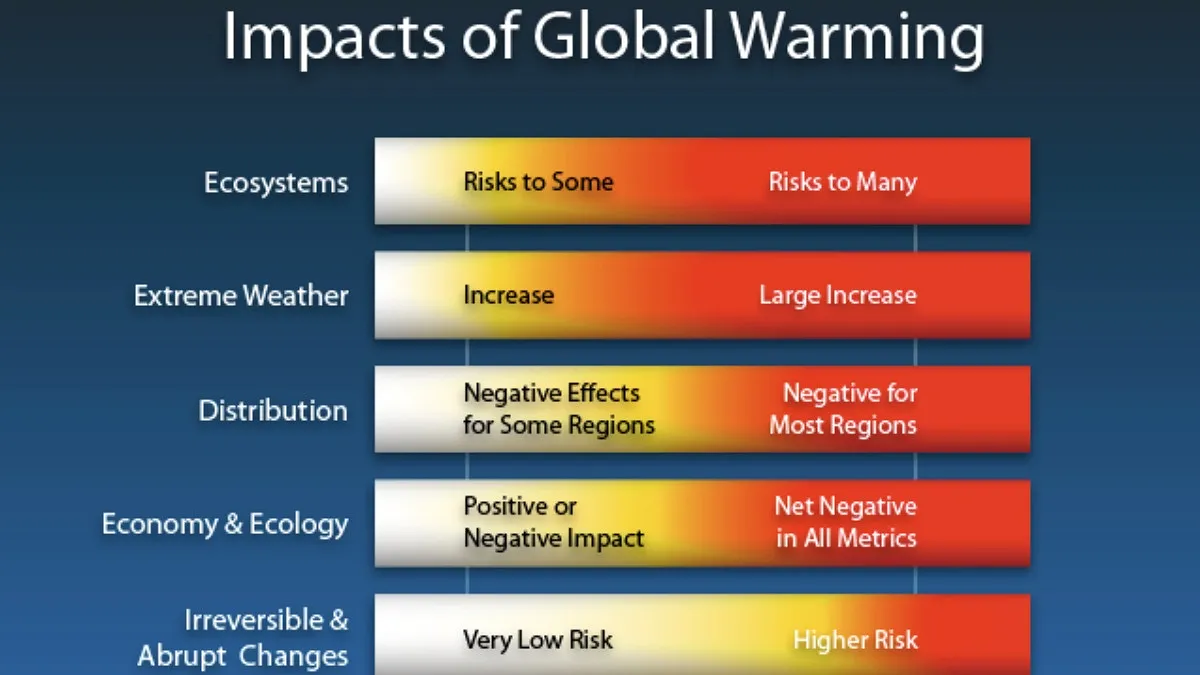
Representational image. Wikipedia.
Invisible to the naked eye and completely odorless, a silent agent is steadily driving up global temperatures. Capable of trapping nearly 80 times as much heat as carbon dioxide, it accounts for roughly 30 percent of current global warming. Over the years, it has emerged as a primary driver of climate change. Often referred to as an invisible poison, this gas is methane. Lately, satellite imagery has revealed vast plumes of methane escaping into the atmosphere across multiple regions of the globe. Even with modern technology and mitigation strategies at our disposal, output continues to climb daily. Worse still, major global powers such as the United States and the European Union are retreating from regulatory efforts, leaving the planet increasingly vulnerable.
Space-Based Tracking of Pollution Hotspots
Lately, advanced orbital sensors have been pinpointing massive methane leaks in diverse corners of the globe. On a daily basis, a pair of satellites circles the planet roughly 16 times on a north-to-south path, capturing hundreds of images. Their mission is to locate the exact origins of this unseen, scentless gas, a joint venture led by the American firm Planet Labs and the environmental nonprofit organization Carbon Mapper.
Substantial volumes of methane leak from fossil fuel extraction facilities, coal mining operations, and landfills. Remarkably, just a handful of these emitters are responsible for a massive share of overall methane contamination. Within the US, orbital data has confirmed ongoing leaks across oil and gas basins. Over the past year, Orla, Texas, recorded the highest concentration with eight major release events, trailed by Stanton, Texas, and Ringgold, Louisiana.
Yet, this crisis extends far beyond American borders. Massive methane releases are taking place internationally, spanning from Turkmenistan to Venezuela. In the past, spotting these leaks proved challenging, and insufficient tracking kept true emission volumes hidden. Today, cutting-edge orbital technology enables experts to pinpoint exact emission sources directly from space.
How Methane Accelerates Global Heat
While carbon dioxide remains the primary long-term force behind climate change, methane acts as a far more potent catalyst for rapid near-term warming. Across a two-decade timeframe, it retains roughly 80 times more thermal energy than carbon dioxide. As Dan Cusworth, vice president of science at Carbon Mapper, explained, cutting methane releases right now yields rapid climate benefits that we can experience within our own lifetimes, making immediate reduction efforts entirely worthwhile.
Roughly 40 percent of overall methane originates from natural environments, predominantly wetlands. The other 60 percent stems directly from human industry, with fossil fuel extraction, farming, and landfill operations serving as the primary culprits.
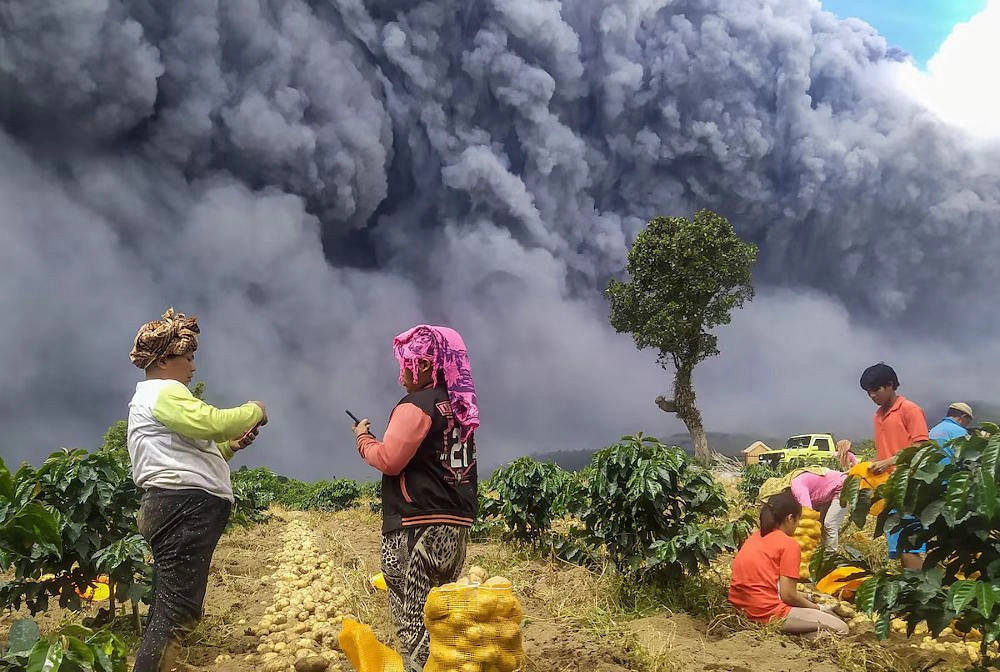
Reuters photo.
Data from the World Meteorological Organization indicates that atmospheric methane concentrations hit an unprecedented peak in 2025. Furthermore, recent findings from the International Energy Agency (IEA) show that China led global methane output last year—driven largely by its coal mining sector—with the United States and Russia ranking second and third.
Output Remains Unchanged Despite Available Solutions
Roughly 35 percent of human-caused methane originates from the fossil fuel industry. According to the IEA, emissions from this sector still show no signs of declining. On a positive note, the technical solutions required to curb methane are already available. The agency estimates that nearly 70 percent of methane releases from oil, gas, and coal extraction could be prevented. Moreover, because captured methane can be utilized as an energy source, curbing these leaks offers financial rewards alongside environmental protection.
Edward Parson, an environmental law professor at the University of California, pointed out a notable paradox in this situation, observing that for fossil fuel operators, methane is actually a marketable commodity. He noted that if firms successfully trap this escaping gas, they can bring it to market and generate revenue.
Regulatory Rollbacks Across the US and Europe
Lately, however, several national governments have been retreating from policies aimed at curbing methane pollution. Just last month, US President Donald Trump's administration unveiled plans to weaken oil and gas methane regulations originally enacted under former President Joe Biden. Projections indicated that keeping those stricter rules in place would have slashed industry emissions by 80 percent by the year 2038.
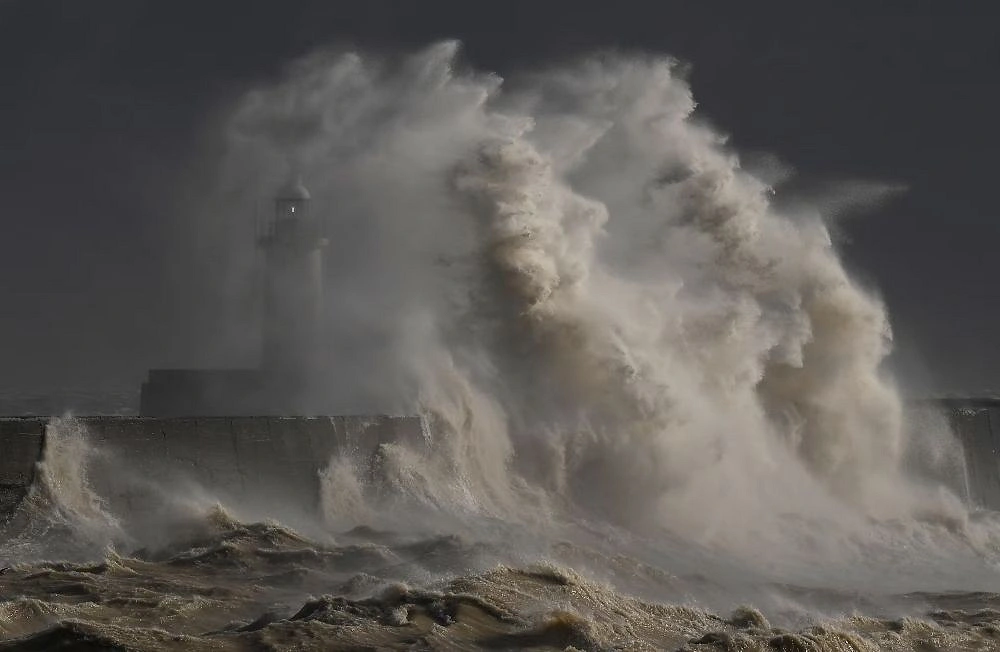
Waves getting larger in parts of Britain. Reuters photo.
Under these newly proposed revisions, the US Environmental Protection Agency is moving to scrap programs designed to spot, investigate, and repair super-emitting leaks, while also easing standards for low-output wells. While the agency projects these rollbacks will save businesses and consumers $45 billion, opponents warn they will inflict greater damage on public health and the ecosystem.
Rhode Island Democratic Senator Sheldon Whitehouse warned that American citizens will bear the burden in three distinct ways: higher utility bills from squandered natural gas, steeper healthcare expenses from degraded air quality, and surging insurance premiums as climate-driven fires and floods destroy more homes.
Mirroring the United States, the European Union has also slowed down its methane enforcement plans. Last month, EU lawmakers voted to delay by three years a mandate requiring companies to track and disclose methane emissions tied to imported oil, gas, and coal. Mark Brownstein, who serves as senior vice president of energy at the Environmental Defense Fund, emphasized that every single year of postponement carries tangible consequences.
University of California professor Edward Parson attributes these widespread regulatory retreats to lobbying pressure from powerful fossil fuel corporations. Conversely, Holly Hopkins, vice president at the American Petroleum Institute—which advocates for the US oil and gas industry—maintains that producers are actively curbing emissions while striving to satisfy rising demand for affordable power, adding that the sector supports practical, collaborative measures alongside government regulators.
Signs of Progress in Select Regions
Even so, the global outlook is not entirely bleak. Despite rising worldwide oil and gas output, methane releases from the industry have held relatively steady. Certain operators have made notable strides in tracking, reporting, and curbing their leaks, though Mark Brownstein cautioned that this level of commitment is far from universal across the sector.
Findings from the IEA indicate that major methane leak events have dropped in nations such as Argentina and Algeria. Additionally, the pace of emission growth from Chinese coal mines is beginning to show signs of tapering off. And while federal oversight in the United States has loosened, individual states—including California and New Mexico—continue to enforce their own strict local mandates.
The Call for Stronger Policy and Corporate Action
Carbon Mapper's Dan Cusworth emphasized that decisive government leadership is vital to bringing methane levels down, while stressing that corporations must also take accountability for their own environmental footprint. Mark Brownstein echoed that trapping and repurposing methane frequently makes strong financial sense, urging businesses to act proactively.
Across the globe, extreme weather events—including scorching heatwaves and catastrophic floods—are growing more frequent. Brownstein insists that curbing methane is an urgent priority to lessen both the intensity and recurrence of these climate disasters, stating that cutting this gas ranks among the fastest ways to blunt their impact.
While uncertainty lingers over how swiftly nations will enact meaningful policies against methane pollution, orbital surveillance presses forward uninterrupted. Reflecting on the data, Dan Cusworth remarked that satellites frequently reveal leaks with remarkably simple fixes, admitting he often wishes he could pack a toolbox, hop on a flight, and repair the equipment failures himself.
Source: CNN
