
COP31: UN Climate summit enters final phase with no deal in sight

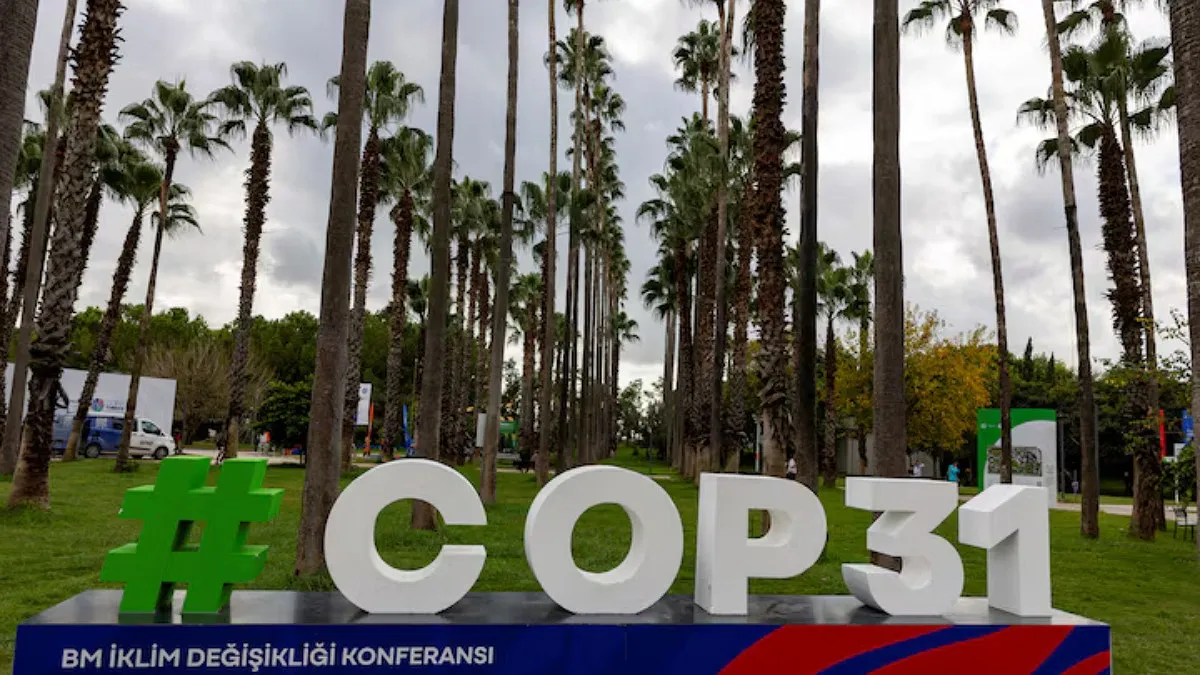
A COP31 sign is displayed at the venue of the United Nations Climate Change Conference (COP31) in Antalya, Turkey, November 19, 2026. REUTERS.
After almost two weeks of talks, nations remain split on how to combat global warming. A fresh draft declaration does not reference the phasing out of fossil fuels, the primary drivers of climate change, reports DW.
The UN climate summit in Antalya, Turkey, has run into overtime, with countries still at odds over key issues, including fossil fuels and climate financing.
The negotiations were set to conclude on Friday evening, but negotiators have not yet reached an agreement. Germany and several other nations are pressing for a clear commitment to phase out fossil fuels, while poorer countries are demanding more concrete financial support to deal with climate change.
Talks are expected to carry on into the weekend.
The UN climate summit in Antalya is drawing criticism from activists and campaigners who question whether global climate talks can deliver meaningful change while fossil fuel interests remain influential. Turkey and Australia, both under scrutiny for their energy policies, are heading this year's conference.
Activists, including Greta Thunberg, contend COP summits have become increasingly ineffective, while others defend them as a vital space to pressure governments. Climate policy experts say the talks have helped reduce projected warming, but stress that real progress depends on action taken by countries between summits, not just agreements reached at them.
Maldives environment minister: 'We are not going to live in the dark'
For the Maldives, climate change is already impacting everyday life. Heavy rainfall has forced people from their homes, warmer oceans are damaging coral reefs, and shifts in fish stocks are putting pressure on the country's fishing industry. Rising sea levels pose another threat to the low-lying island nation. Meanwhile, global greenhouse gas emissions continue to climb, despite more than three decades of international climate negotiations.
At COP31 in Antalya, Turkey, the Maldives' climate minister Ali Sharif discusses why progress has been so slow, what really happens during climate negotiations, and why moving away from fossil fuels is not as straightforward as it might seem.
For island nations like the Maldives, switching to renewable energy comes with practical and financial challenges. So what would it take to accelerate the transition? And can the UN climate process still deliver meaningful results?
Reuters adds:
Turkey said it has agreed deals and plans worth more than $26 billion in total since it began hosting the climate conference on November 9 in the Mediterranean city of Antalya. They include a preliminary $15 billion renewable energy deal with China, $5.1 billion in financing agreements with development banks, and accords with Saudi Arabia and Canada.
Past hosts of climate conferences have also benefited from the influx of foreign governments and companies that typically accompanies UN talks.
In 2023 the UAE pursued both fossil fuel and renewable energy deals on the sidelines of the Dubai COP.
Turkey did not comment on the deals.
BUSINESS ON THE SIDELINES
Apart from the negotiators, the COP31 event has attracted tens of thousands of other people and is matched by a trade fair where large businesses and startups can pay to exhibit.
Bursa-based startup Harves Technology had a stand to market narrow modular water tanks shaped to fit along walls or fences. The founder came up with the idea because their own home had no space for a round rainwater tank.
By Thursday the company had meetings with potential investors from India and France, and interest from distributors for Somalia, Brazil, Spain and Greece, said Beyza Altin, head of international sales.
Several of Turkey's businesses that secured exhibit stands at the two-week conference also signed deals they said would have been tough to land otherwise.
