
Sirajganj's China dam appears as scenic tourist destination in the Jamuna River

BSS photo.
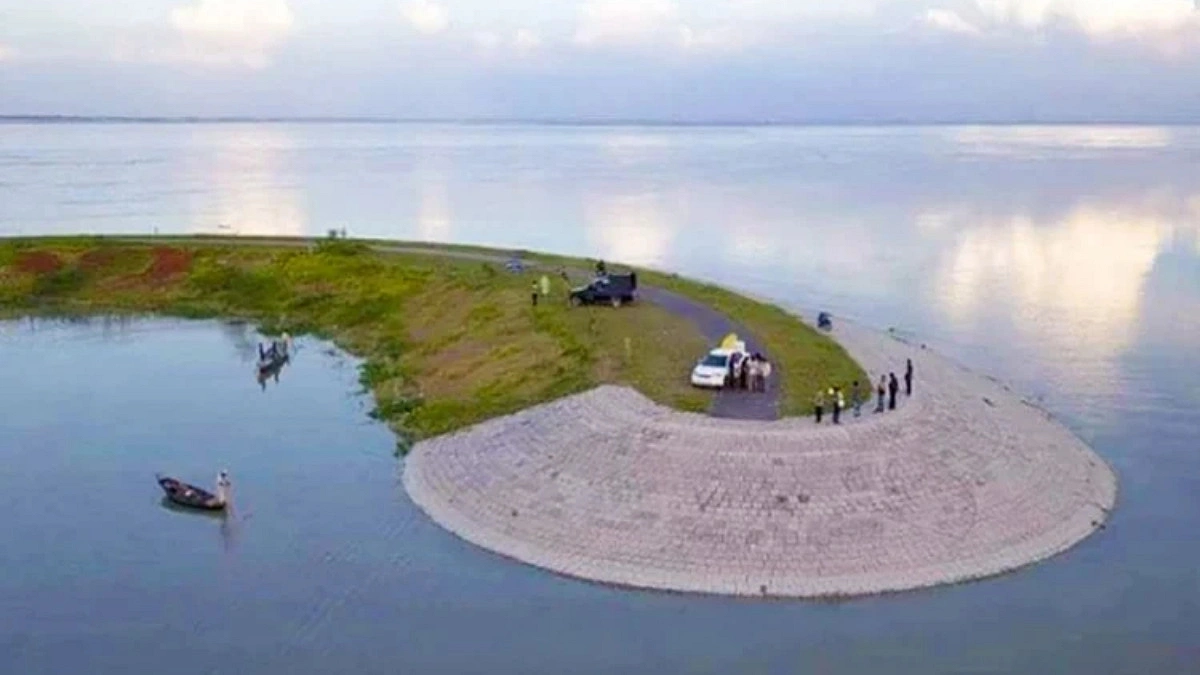
The Sirajganj China Dam, also known as Crossbar-3, has emerged as a popular tourist destination on the Jamuna River, offering visitors a unique mingle of riverine beauty, engineering achievements and recreational attractions.
Located along the mighty Jamuna, the dam presents a striking view vast stretches of water, sandy river islands, open skies and the distant Jamuna Bridge create a picturesque setting. Popularly known as 'Mini Cox's Bazar' among locals and visitors, the site draws people seeking a break from the bustle of urban life.
Beyond its scenic appeal, the structure represents an important chapter in efforts to protect Sirajganj town from the devastating erosion caused by the Jamuna, one of Bangladesh's major rivers.
The Jamuna has long posed a serious threat to settlements and infrastructure along its banks. During the 1990s, severe river erosion raised concerns over the safety of Sirajganj town, prompting efforts to strengthen riverbank protection.
The main town protection embankment was constructed during the first phase between 1996 and 2001 with British technical assistance and the involvement of South Korea's Hyundai Company. However, further measures were needed to address the river's continuing erosion.
Crossbar-3 was subsequently constructed between 2014 and 2017 by China Harbour Engineering Company at an estimated cost of Tk 80-82 crore. The structure, measuring about 1,782 metres in length, was designed as part of river-training efforts to help protect the area from erosion.
Over time, the dam has developed into a recreational destination, attracting visitors with its expansive views of the Jamuna and its surrounding landscape.
The paved road along the dam offers visitors panoramic views of the river on both sides. During the late afternoon, sunlight glistens on the water, while the distant silhouette of the Jamuna Bridge adds to the scenery.
As waves break against the stone embankment, the riverfront takes on a distinctive character, particularly at sunset. The combination of open water, cool breezes and changing colours of the sky makes the site especially appealing to photography enthusiasts and nature lovers.
The informal name 'Mini Cox's Bazar' reflects the expansive waterscape that visitors experience, although the riverfront has its own distinct charm shaped by the Jamuna's changing currents and seasonal scenery.
Wind turbines along the embankment provide another point of interest for visitors. Their rotating blades create a striking contrast with the surrounding river and open sky, adding an element of modern infrastructure to the natural landscape.
The turbines also draw attention to the potential of wind energy, while their distinctive appearance has become part of the area's visual appeal.
The site around the China Dam changes significantly with the seasons.
During the dry months, sandy chars emerge from the river, creating broad stretches of open land. White kash flowers bloom across parts of the landscape, adding to the beauty of the riverbanks against the blue sky.
During the monsoon, much of the sandy terrain disappears beneath rising water. The expanded river creates the impression of an endless expanse of water, offering a dramatically different view from the embankment.
These seasonal changes make the area attractive throughout much of the year, although visitors need to remain cautious during periods of strong currents and high water levels.
Boat rides are another attraction at the site. Wooden boats and speedboats are often seen near the dam, offering visitors opportunities to explore the river from the water.
A boat trip provides a different perspective on the vast Jamuna, its changing currents and the surrounding river land. Visitors should agree on fares with boat operators beforehand and follow safety precautions, including wearing life jackets.
The nearby Heart View Point is another popular spot for visitors. From the area, people can observe trains and vehicles crossing the Jamuna Bridge, which links the country's eastern and northwestern regions.
At night, the illuminated bridge creates an attractive backdrop against the dark river. Reflections of the lights on the water add to the ambience, making the area particularly appealing to visitors who prefer evening outings.
As afternoon gives way to evening, the dam becomes a lively gathering place. Small vendors set up stalls along the walkways, selling tea and popular street foods, including jhalmuri, fuchka, chotpoti, bhelpuri and fried fish.
Families, groups of friends and other visitors gather along the embankment to enjoy the river breeze, watch the sunset and sample local snacks. The combination of food stalls, conversations and the sound of flowing water gives the area a festive atmosphere.
The China Dam has become an important recreational destination for Sirajganj and the wider northern region, demonstrating how infrastructure built primarily for river management can also contribute to local tourism.
Its appeal lies in the combination of engineering, open terrains, seasonal river scenery and affordable recreational activities. With responsible tourism practices, improved visitor facilities and greater attention to cleanliness and safety, the site has the potential to become an even more attractive destination.
The Jamuna remains a powerful and unpredictable river, capable of reshaping its surroundings. At Sirajganj's China Dam, however, visitors can experience both its formidable strength and its remarkable beauty, making the riverfront a distinctive destination for those seeking a closer connection with Bangladesh's natural landscape.
