
Dengue surges in Rohingya Camps, killing 10

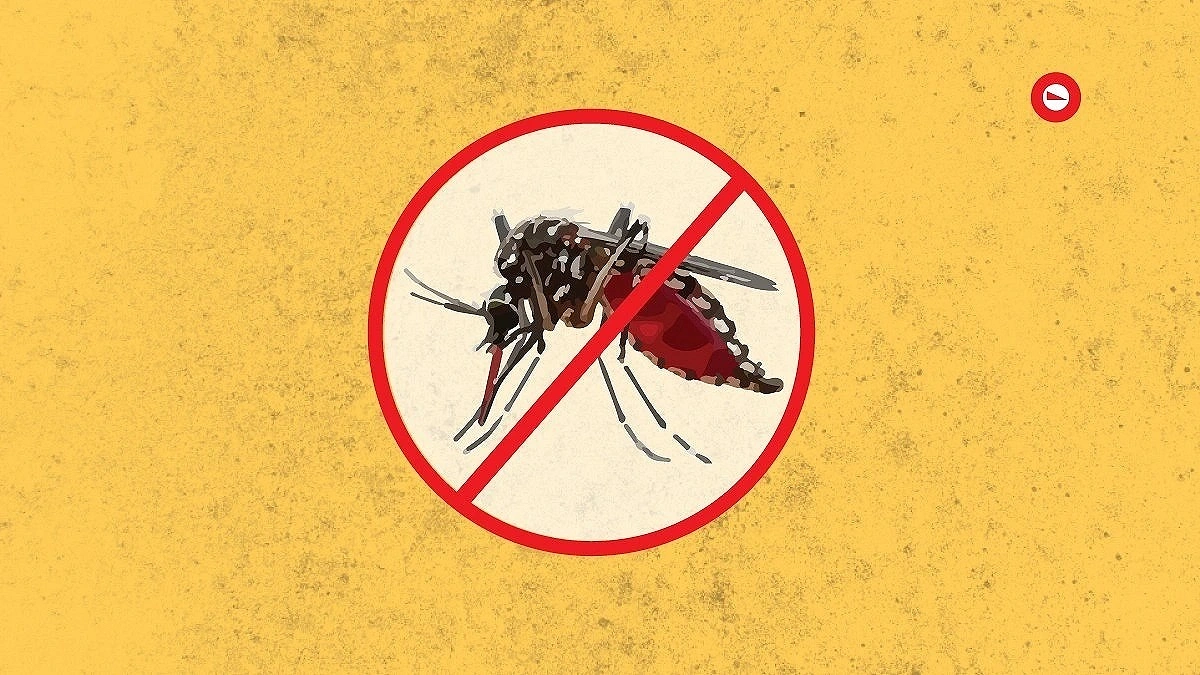
Graphics: Agamir Somoy
In the densely populated Rohingya camps, dengue is no longer just a fear of a seasonal disease, but has turned into a major health risk.
On one hand, the number of infected individuals is rising, while on the other, camp residents including children are losing their lives. In the first 9 months of this year alone, 2,882 people have been infected with dengue in the camps.
Among them, 10 people have died, six of whom were children. The alarming picture of the camps is also clearly evident in the overall dengue situation in Cox’s Bazar. During the same period, 5,033 people were infected with dengue in the entire district.
Cox’s Bazar Civil Surgeon’s Office confirmed the matter on Monday in the latest report on the dengue situation.
Meanwhile, dengue transmission is not confined solely to the Rohingya camps. New patients are being identified every day in various upazilas of Cox’s Bazar. In a span of 24 hours, 32 new dengue cases were identified in the district, one of whom is a resident of a Rohingya camp.
During the same period, 28 more people were admitted to hospitals, while 23 people returned home after recovering following treatment.
According to the report, the number of deaths among children has further highlighted the importance of controlling dengue in the camps and providing rapid treatment to those infected. Considering population density and living conditions, the spread of dengue in the camps has created additional concern for the health department.
Doctors working in the health department said the densely populated environment of the camps is making dengue control difficult. Alongside a massive population living in a limited space, there are various challenges regarding water and waste management.
Stagnant water in various places is creating breeding sites for Aedes mosquitoes. This risk escalates further during the monsoon and post-monsoon periods.
According to Ukhiya Upazila Health and Family Planning Officer Ehsan Ullah Sikder, awareness and mosquito extermination activities have been intensified to prevent dengue, considering the camp’s high density and the risk of mosquito-borne diseases.
He said, “We are closely monitoring the dengue situation in the Rohingya camps. Rapid identification of infected patients, necessary treatment, and hospital referral arrangements have been strengthened.”
Noting that work is underway across the camps to destroy mosquito breeding grounds, carry out cleanliness drives, and control larvae, he added that mosquito breeding site destruction, cleanup drives, larva control, and public awareness campaigns are ongoing throughout the camps.
In his view, it is not possible to control dengue solely through treatment in hospitals and health centers. Initiatives by the health department alone are not enough to prevent dengue. The coordinated participation of camp residents, various stakeholders, volunteers, and related agencies is essential.
Cox’s Bazar Civil Surgeon Mohammad Saber claimed that alongside rapid disease detection and treatment, importance is being given to controlling the source of infection to reduce the number of dengue cases. Emphasis is being placed on identifying and destroying Aedes mosquito breeding sites, removing stagnant water, cleanliness activities, and raising awareness among residents.
