
Six Months On: Strait of Hormuz still crippled, thousands of sailors trapped

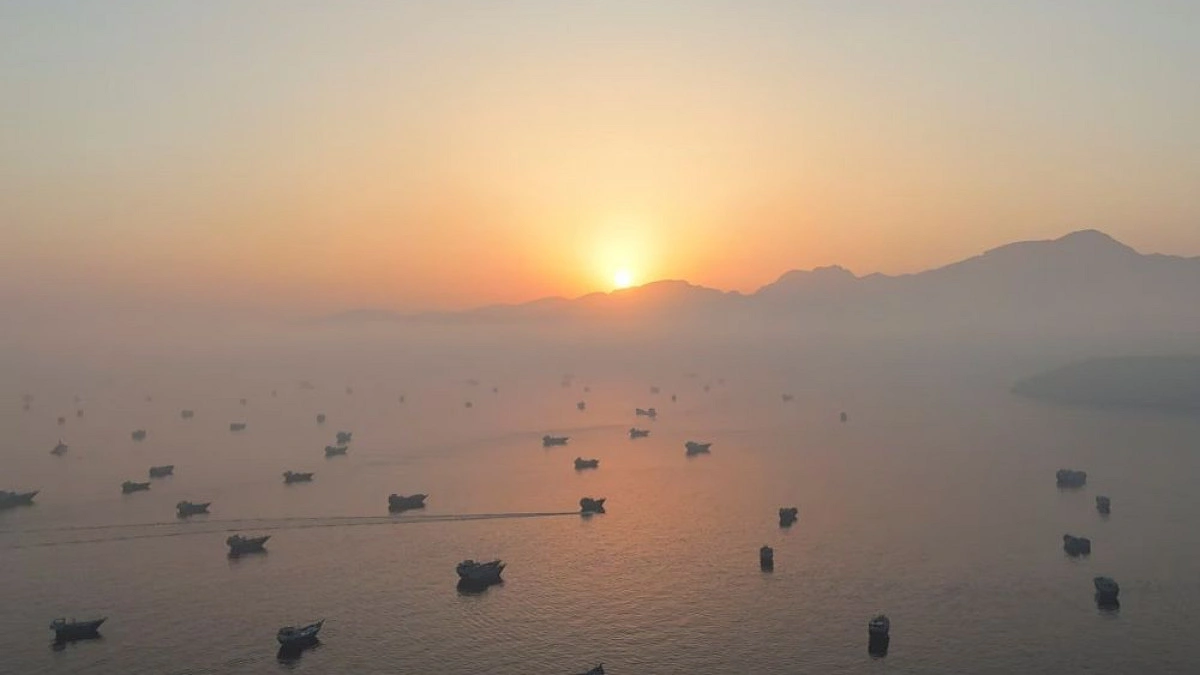
Photo: Reuters.
Six months after the outbreak of war in the Middle East, the strategic Strait of Hormuz remains largely paralysed. Commercial shipping has yet to recover, thousands of seafarers are still stranded in the Gulf, and the flow of vital commodities through the waterway is a fraction of what it once was.
Before Iran shut the strait in February—in retaliation for joint US‑Israeli airstrikes—roughly one‑fifth of the world’s oil and liquefied natural gas passed through this narrow chokepoint. Today, traffic has collapsed. According to an AFP analysis of maritime tracking data from Kpler, daily transits averaged just 10 after the closure on 1 March, compared with 95 per day in February. A brief respite came in June, when a US‑Iran agreement pushed the average up to 36 daily crossings, but that proved short‑lived. Between the resumption of hostilities on 8 July and 22 August, the number fell back to around 15.
Iran’s Revolutionary Guards have also declared a 1,400‑square‑kilometre “danger zone” where mines may be present, further complicating navigation. Vessels now follow two main routes: one hugging the northern Iranian coast—the only corridor Tehran approves—and another to the south, running between Oman’s shoreline and potentially mined waters. During the relatively calm fortnight from mid‑June to early July, about nine ships a day used the Iranian route and eight the Omani path. The rest either took unmonitored paths or the old International Maritime Organization (IMO) corridor through the centre.
Since the ceasefire collapsed on 8 July, the situation has grown murkier. Kpler reports that two‑thirds of all transits are now “dark”—meaning their exact routes cannot be verified due to disabled transponders, jammed signals, or missing satellite imagery. Before the war, that figure was less than one percent.
The human toll is equally stark. The IMO told AFP that roughly 6,000 sailors and 500 vessels have been trapped in the Gulf since the conflict began. The organisation said it is holding “ongoing discussions” to secure a safe maritime passage, but any resolution “depends on de‑escalation in the region.” An IMO initiative launched in June to evacuate more than 11,000 stranded seafarers was suspended shortly after an attack on a ship. Over the past six months, at least 20 sailors and dockworkers have lost their lives in regional incidents or attacks, according to the IMO.
In short, the Strait of Hormuz remains a bottleneck not just for global energy supplies, but for the thousands of men and women caught in the crossfire—with no clear end in sight.
(Source: Radio France International)
