
High Prices
Homeownership dream slips further out of reach for Morocco’s middle class
- Property transactions fell more than 40 percent in the first three months of the year
- Many buyers have stopped looking for homes due to high prices and borrowing costs

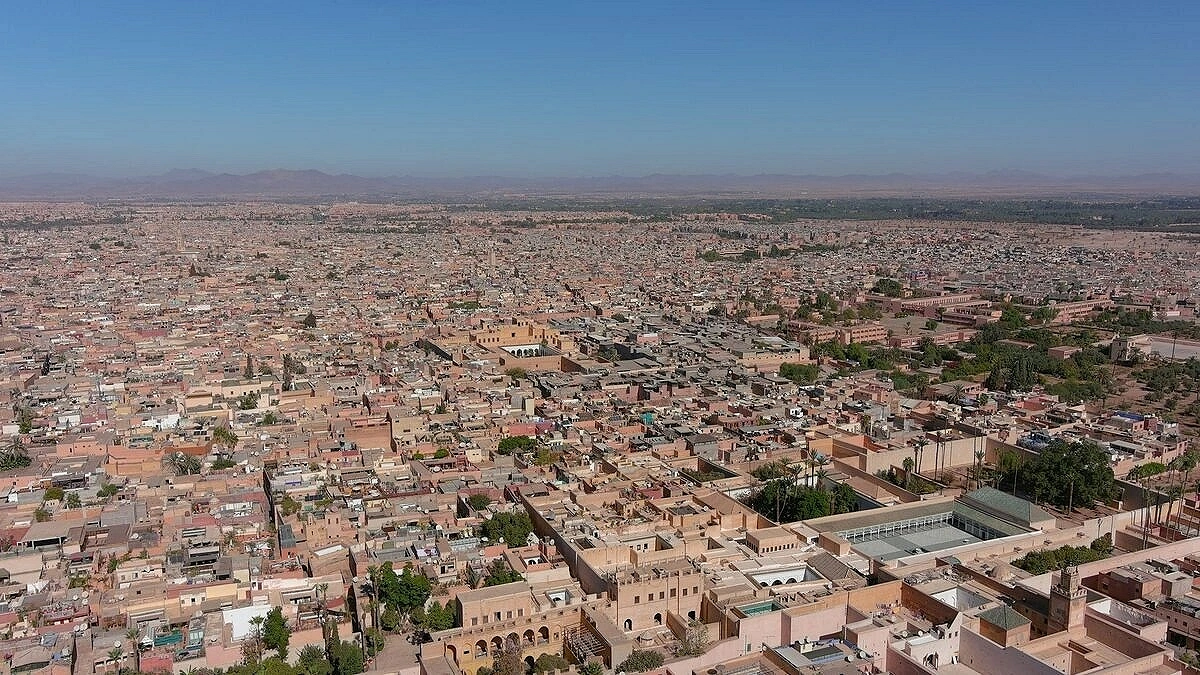
A section of Marrakech, Morocco, photographed from the air. File photo
Owning a home is a dream that is increasingly slipping out of reach for Morocco’s middle class. Housing prices have risen faster than incomes, mortgage interest rates remain high, and the cost of everyday living continues to increase. As a result, many people are backing away from plans to buy a home.
In the first quarter of this year, property transactions in the country fell 40.2 percent. Despite this, home prices remain high in major cities and areas with strong demand. As a result, although the number of buyers in the market has declined, housing has not become affordable for the middle class.
In a recent survey, 35 percent of respondents said rising home prices had directly affected their plans to buy a home. Another 19 percent of buyers have already stopped looking for homes.
For middle class families, the problem is not only home prices but also the cost of borrowing. In late 2025, the average mortgage interest rate in Morocco rose to 5.19 percent. Along with the down payment, registration costs and the pressure of monthly installments, the overall cost is beyond the means of many families.
There are also strong concerns that the situation could become even more difficult in the coming days. Eighty one percent of Moroccans believe the cost of buying and renting homes will rise in 2026. The same concern is shared by 83 percent of middle income respondents. Meanwhile, 73 percent believe the prices of goods will rise faster than people’s incomes.
To make homeownership easier, the Moroccan government introduced a direct housing assistance program in 2024. Under the program, first time homebuyers can receive 100,000 dirhams for homes priced below 300,000 dirhams and 70,000 dirhams for homes priced between 300,000 and 700,000 dirhams. More than 55,000 people had benefited from the program by July 2025.
However, people involved in the market still consider government assistance insufficient compared with property prices, loan installments and other household expenses. High land prices and limited affordable housing, particularly in major cities such as Casablanca, Rabat and Marrakech, remain major obstacles for the middle class. Land prices have also long been identified as a major problem in housing projects developed for middle income families.
There is, however, data from the national government price index showing a slight decline in housing prices in the first quarter of 2026. But market conditions vary from one area to another. Homes in new and well located areas of major cities remain beyond the purchasing power of many families.
As a result, Morocco’s middle class now faces three options: a smaller home, a settlement farther from the city center, or renting indefinitely. The dream of owning a home remains, but the gap between that dream and people’s incomes is now the biggest obstacle.
