
Oil prices surpass $100 as Middle East conflict escalates

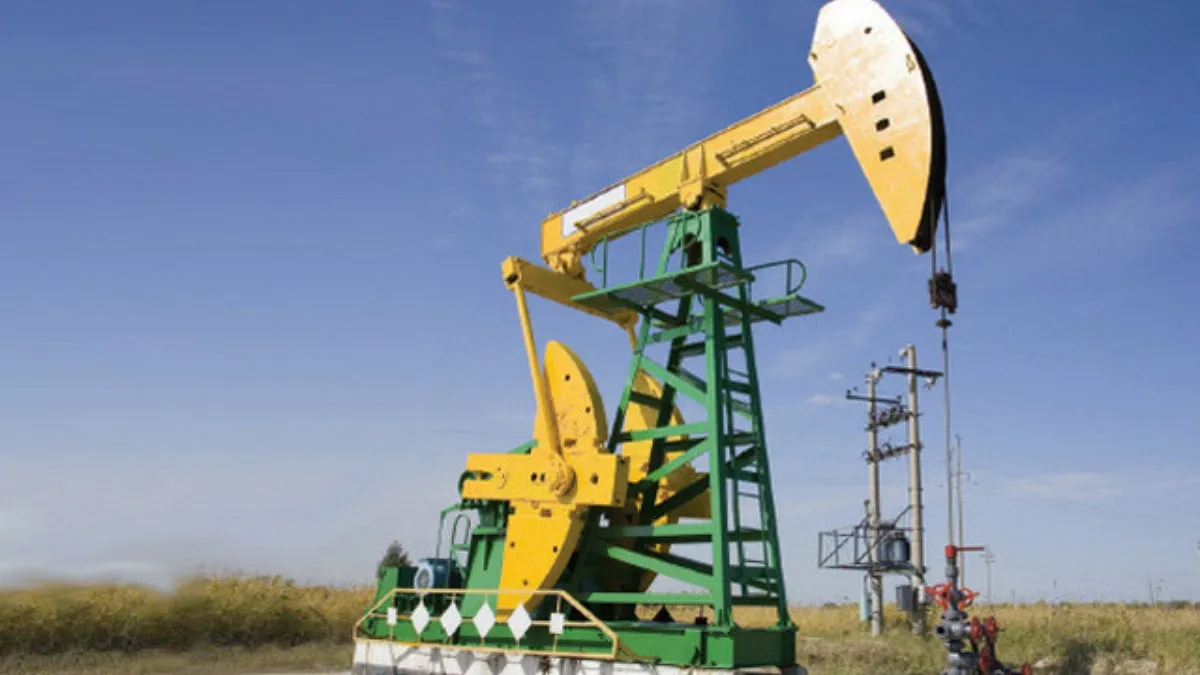
Representational image. Collected.
Brent crude hit $100 a barrel on Thursday for the first time since May, driven by intensifying geopolitical tensions in the Middle East that have revived concerns over global energy supplies.
The benchmark rose more than 6% following several consecutive days of gains, as the United States ramped up military strikes against Iran. Prices surged further after Houthi militants in Yemen attacked oil tankers in the Red Sea—a vital route that Saudi Arabia has used to bypass the Strait of Hormuz for its exports.
UK gas prices have also climbed steadily over the past month. The benchmark rate now stands at approximately 150p per therm, up sharply from around 98p at the end of June.
Why Prices Are Rising Again
Oil prices had previously fallen during a temporary ceasefire between the US and Iran, dropping back to pre-conflict levels last seen before US and Israeli military action began on 28 February. However, that truce has now collapsed. This week, US Secretary of State Marco Rubio stated that Iran's leadership is "not ready to make a deal," further fuelling market uncertainty.
Impact on Consumers and Inflation
The ongoing conflict threatens to push inflation higher in major economies, including the UK and the US, ultimately raising costs for consumers.
Fuel prices: Rising oil prices typically lead to more expensive petrol and diesel. UK petrol prices have increased by 5p per litre since the start of July, now averaging nearly £1.56, while diesel stands at £1.72 per litre, according to the RAC. In the US, average gasoline prices have surpassed $4 a gallon, up from $3.92 a month ago, reports the AAA.
Broader cost-of-living effects: Higher fuel costs ripple through the wider economy. Businesses pass on increased transportation expenses to customers, which can push up prices for everyday goods like food.
Although inflation has recently slowed—falling to 2.6% in the UK and 3.5% in the US—analysts question whether this trend will prove short-lived amid renewed regional instability.
Central Banks Face Fresh Dilemmas
"More expensive fuel and energy can ripple through the wider economy, increasing costs for businesses and ultimately feeding through into the price of food and other goods," said Jonathan Raymond, investment manager at Quilter Cheviot. He added that this creates another headache for central banks already battling inflation. If energy prices remain high, policymakers may face pressure to keep interest rates elevated for longer—or even raise them, which would hit mortgage holders and borrowers already under strain.
The Bank of England has held UK interest rates at 3.75% over its last four meetings. Paul Dales, chief UK economist at Capital Economics, believes the Bank will "almost certainly" hold them again, though he noted that analysts still expect possible cuts next year if energy price rises ease.
Across the Atlantic, the US Federal Reserve—now chaired by Kevin Warsh—held rates between 3.5% and 3.75% at its last meeting. While President Donald Trump has pushed for lower borrowing costs, Warsh recently told Congress that the Fed has "no tolerance to persistently elevated inflation" and remains committed to "restoring price stability" in the wake of the Middle East crisis. (Source: BBC)
