
The Economist Says: New LNG supply risks leave Bangladesh in a bind

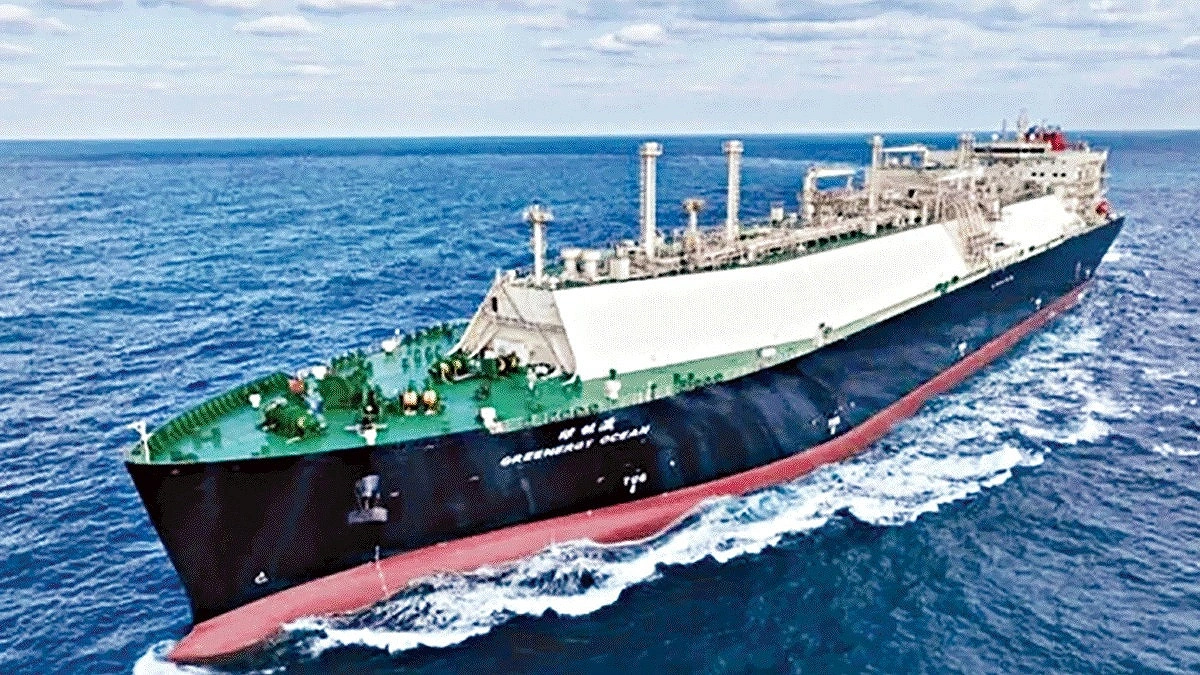
Collected Photo
The ongoing conflict in the Middle East has once again put liquefied natural gas (LNG) supplies at risk. Following the war in Ukraine, Qatar became one of Europe's primary alternative suppliers to reduce its reliance on Russian gas. Now, with the Strait of Hormuz closed, those shipments are being disrupted, raising fears that sourcing LNG will become even harder for Asian nations, according to a report by The Economist.
The report states that Qatar's LNG exports have dropped significantly due to the closure of the Strait of Hormuz. This has driven up gas prices in Asia while raising concerns about Europe’s gas reserves ahead of winter. If the crisis deepens in Europe, European countries will be able to buy LNG at higher prices, potentially making it difficult for Asian nations to secure supplies.
Bangladesh is also exposed to this risk. Due to the conflict, the country is already unable to acquire LNG according to its demand, placing heavy strain on gas-dependent industries and power generation. As European demand rises in the winter, competition in the international market is expected to intensify further.
According to the report, following the closure of the Strait of Hormuz, Qatar announced it would be unable to deliver gas under its existing contracts. Since then, Qatar has dispatched only 98 LNG cargoes—536 fewer than during the same period last year. This has created a market deficit of approximately 39 million tons of LNG, representing roughly 9 percent of total global LNG supplies last year.
Driven by the crisis, LNG prices in Asia have risen to nearly $25 per million British thermal units (MMBtu), a 140 percent increase compared to pre-war levels. However, the situation has not yet reached the severity of 2022, when prices peaked near $70.
Gas storage levels in Europe currently stand at 72 percent capacity, the lowest for this time of year. Between 2022 and 2025, average storage levels for the same period were around 90 percent. Germany’s storage is at just 57 percent.
Analysts fear that an unexpected cold snap in November could trigger a buying frenzy for LNG in Europe, potentially driving prices up to $30–$40 per MMBtu. If the winter is prolonged, competition between Asia and Europe will intensify sharply.
Unless Qatar's supplies return to normal quickly, Europe may require an additional 20 million tons of LNG to replenish its reserves ahead of next winter. This risks keeping global gas prices elevated throughout 2027, though the long-term outlook could differ.
