
Ethanol: India’s New Weapon in the Fuel War

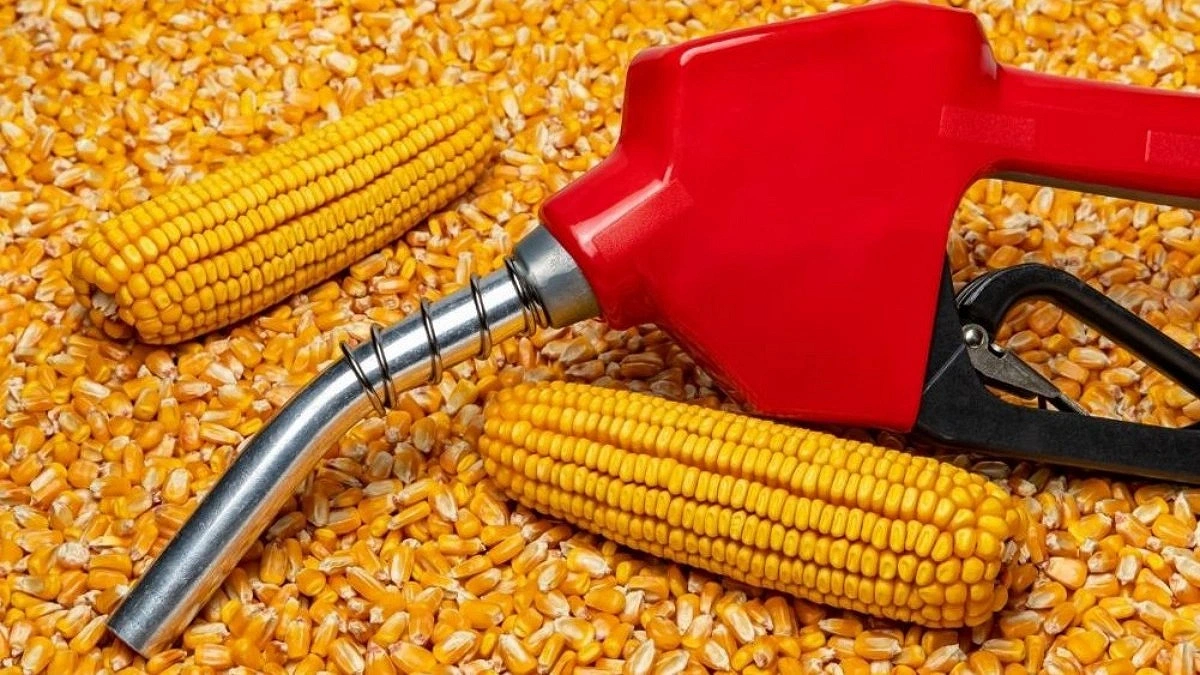
Collected Photo
Amid disruptions in the global supply chain and renewed volatility in crude oil prices, ethanol-blended petrol is rapidly gaining importance as a sustainable fuel of the future. In this context, India has emerged as one of the world's most closely watched biofuel success stories.
When the blockade of the Strait of Hormuz and geopolitical tensions created instability in the global energy market in 2026, India remained relatively protected from the shock due to its long-term ethanol blending strategy initiated over two decades ago.
What began in January 2003 as a small initiative in nine states with a target of just 5% ethanol blending has now transformed into a major national energy and economic transformation program.
Even as recently as 2014, the average ethanol blending rate in India was only 1.53%. However, consistent policy support, investment in distillery capacity, and long-term planning laid the foundation for today's rapid expansion.
A significant shift occurred with the launch of the National Biofuel Policy in 2018, which substantially expanded the scope of the program.
Ethanol production was no longer limited to sugarcane molasses; opportunities were created to produce it from damaged food grains, surplus rice, maize, and agricultural waste. As a result, reliance on water-intensive sugarcane decreased, and the grain-producing regions of North and Central India became part of the ethanol economy.
Currently, India has achieved approximately 20% ethanol blending in petrol (E20) ahead of schedule. The country is now preparing for E85 petrol—which contains 85% ethanol—and E100 fuel for flex-fuel vehicles capable of running on various ethanol concentrations.
What started as an environmental initiative to reduce carbon emissions has now evolved into a broader national strategy focused on energy security, economic stability, and rural development.
According to analysts, by reducing dependence on imported crude oil, this program is helping India save billions of dollars in foreign exchange, especially at a time when instability in West Asia is creating uncertainty in global supply chains.
India's ethanol program is delivering significant benefits to the rural economy. The increased demand for biofuel raw materials is supporting sugarcane farmers, grain producers, distilleries, and biofuel infrastructure developers. Additionally, it is creating new employment opportunities in the agriculture, transport, logistics, and manufacturing sectors.
According to industry observers, blended fuel is now being viewed as part of a long-term transition to clean transportation systems. The aviation, transport, and logistics sectors consider ethanol-blended fuel a crucial component for reducing emissions and achieving global sustainable development goals.
However, the program has also sparked debate among consumers and motor vehicle experts. Critics have expressed concerns regarding fuel efficiency, potential engine corrosion, and the compatibility of high ethanol blends with older vehicles. Discussions have increased on automobile forums and social media, as many fear that future fuels like E85 or E100 could lead to higher maintenance costs and operational complexities for vehicles not specifically designed for them.
Despite these concerns, policymakers and industry leaders state that ethanol blending has become a vital pillar of India's long-term energy diversification strategy. Supporters argue that in a world increasingly vulnerable to geopolitical conflicts, shipping disruptions, and volatile oil prices, it is essential to reduce dependence on imported fossil fuels.
India's ethanol roadmap is now seen not just as a green energy initiative, but as a strategic economic and geopolitical safeguard. It aims to strengthen energy security, increase rural income, encourage investment, and position the country among the leading global economies investing in alternative energy systems. (Source: Times Kuwait)
