

Oil Climbs After US-Iran Military Exchanges, But Peace Hopes Remain

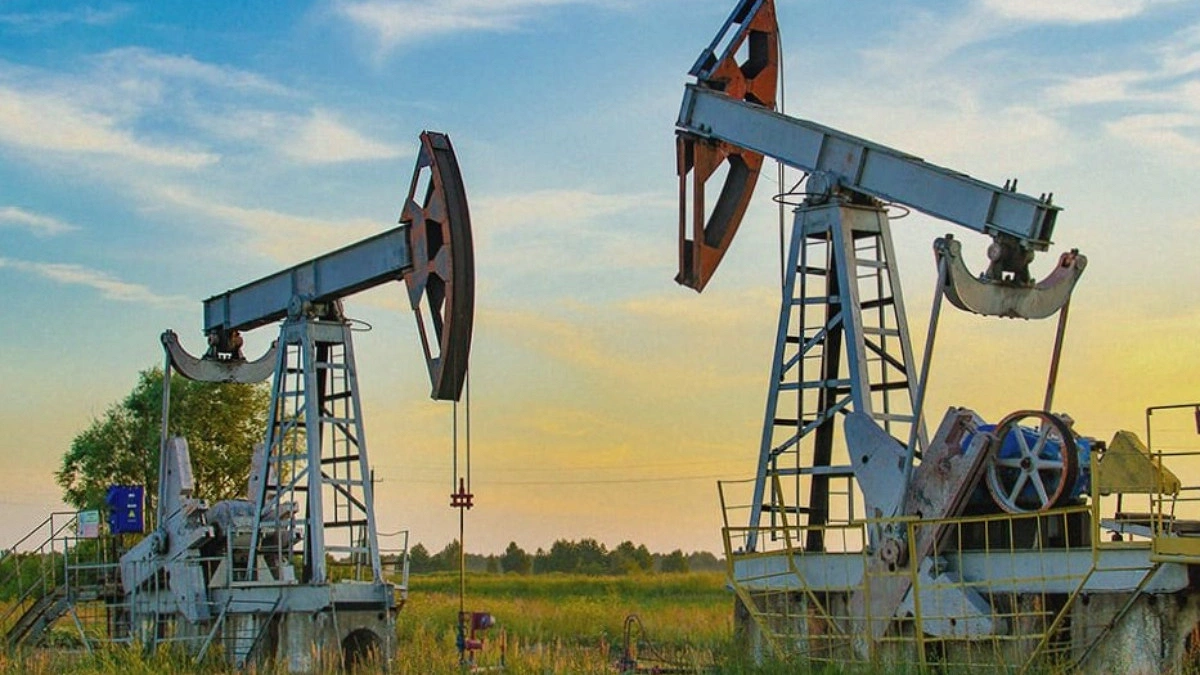
Representational image. Collected.
Oil prices rose on Monday, rebounding from last week’s losses, as investors weighed renewed military strikes between the United States and Iran against ongoing signals that both sides are still committed to peace talks.
Stock markets showed mixed results—Asian shares were lifted by continued excitement over artificial intelligence, while European markets edged lower.
Latest Strikes
The US military reported carrying out a series of "self-defense" strikes inside Iran over the weekend, marking the latest in a week of escalating attacks. In response, Iran’s Revolutionary Guard said it had struck a US air base, retaliating for an American attack on a communications facility.
Oil Prices Jump
Brent crude, the global benchmark, rose more than 3% to around $94 per barrel for August delivery, the most actively traded contract.
West Texas Intermediate (WTI), the US benchmark, jumped 4% to approximately $91 per barrel for July delivery, its most popular contract.
Mixed Markets
US: S&P 500 futures pointed to a 0.3% gain when trading resumes Monday.
Asia: Markets were mixed. South Korea’s KOSPI surged 4%, Japan’s Nikkei 225 and Hong Kong’s Hang Seng each rose nearly 1%, while mainland Chinese stocks declined.
Europe: The Stoxx 600 (tracking the region’s largest companies) dipped slightly, though Germany’s DAX rose 0.3%.
Gasoline Prices Slide
Despite the jump in crude, gasoline prices continued to fall Monday. According to AAA, the national average dropped to $4.32 per gallon. Still, overall gasoline costs have risen 45% since the war began.
Gas prices typically lag behind crude oil movements by several days.
Meanwhile, the average diesel price fell three cents to $5.45 on Sunday—also up 45% since the start of the conflict. (Source: NYT)