
LPG cylinders unavailable even at high prices

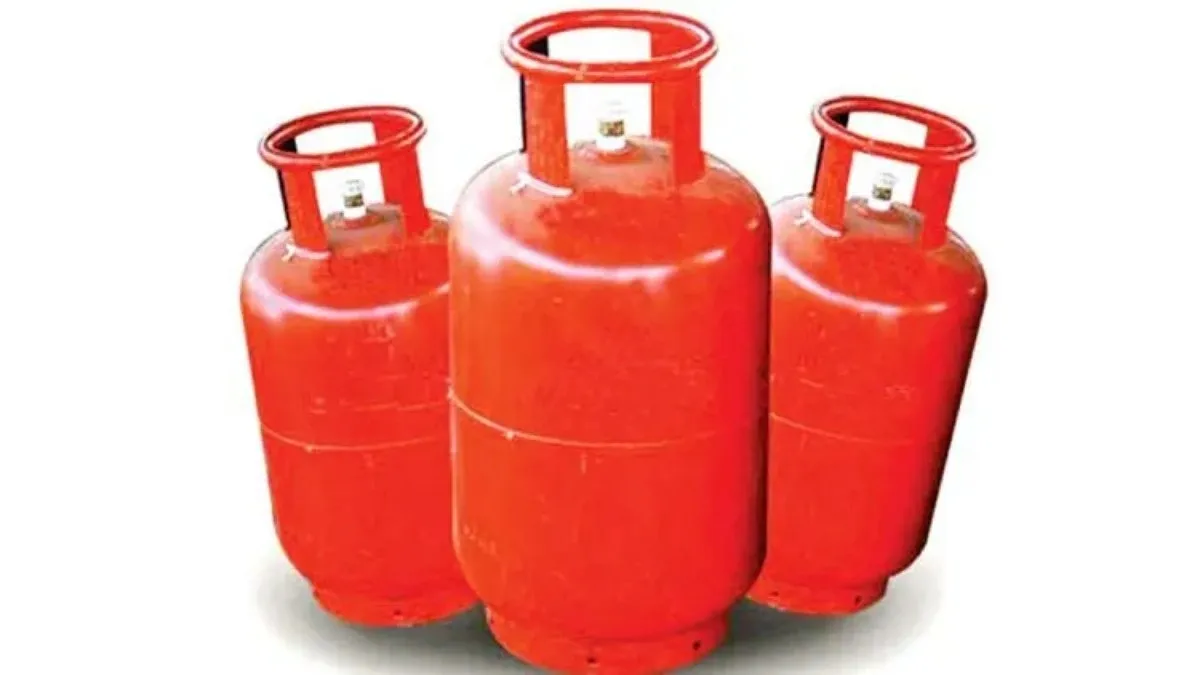
Collected Photo
Residents of Rajoir Upazila are struggling to meet their basic daily cooking needs despite living in the upazila headquarters. Even those willing to pay more than the government fixed price are unable to obtain LPG cylinders.
Since many residents live in concrete houses in the municipality and upazila headquarters, they have no option to switch to wood burning stoves. As a result, many families are facing extreme hardship and difficulties in arranging meals.
An investigation has found that gas cylinders are available in markets at the village and union levels, but at inflated prices. In the retail markets of the unions, each Bashundhara brand cylinder is being sold for Tk 2,800, while cylinders of other brands are priced between Tk 2,300 and Tk 2,600.
Although gas is available at high prices in rural areas, municipal residents are facing the greatest difficulties. The supply of cylinders in the municipal town has almost completely stopped, creating an acute shortage. Even customers willing to pay hundreds of taka above the fixed price cannot find gas in shops in the town.
Retailers claim that the main crisis stems from the central depots and supply lines of companies. The shortage in the domestic market has been attributed to higher shipping costs in the international market, difficulties in opening letters of credit (LCs) due to dollar related complications, and the market's dependence on a handful of major companies.
As transport vehicles remain parked at company depots for days, the burden of additional rental costs is being passed on to the retail market.
Local consumers have alleged that even when sellers demand twice the fixed price, gas is not available on time. Buyers have to stand for hours in front of dealers and wholesale shops only to return home empty handed. As a result, cooking has been severely disrupted in many households in the municipal area for two to three consecutive days.
Meanwhile, affected residents are demanding swift and strict administrative intervention and market monitoring against unscrupulous syndicates involved in exploiting consumers by selling gas at excessive prices and creating artificial shortages.
Concerned citizens fear that the situation could lead to a severe humanitarian crisis if the shortage intensifies further.
