
The Japanese heart that wept for Bangladesh

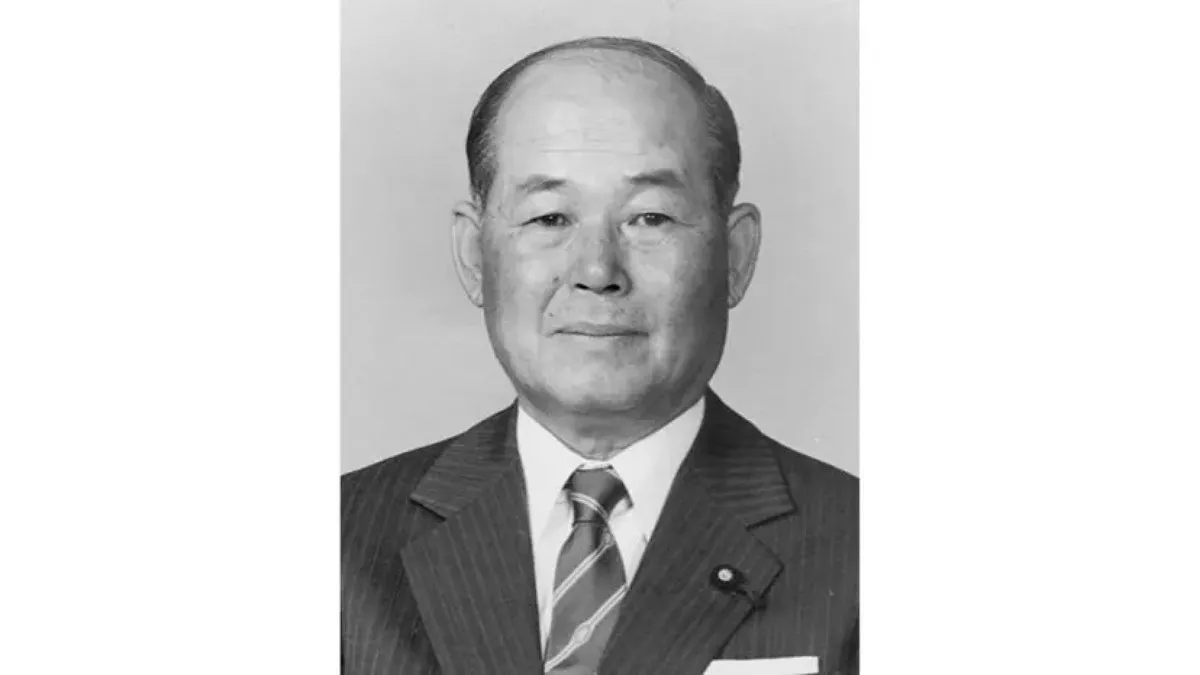
File Photo
How deep must one’s love for a country be to wish to rest in its soil even after death? How can someone share the grief and suffering of people living thousands of miles away? And how can a friendship transcend geographical distance and endure even beyond death?
To find answers to these questions, we must look back at the life of a Japanese politician named Takashi Hayakawa. He was among those who crossed national borders to stand beside the Bengali people during Bangladesh’s Liberation War. His love for Bangladesh was so profound that a portion of his ashes was preserved at a Buddhist monastery in Kamalapur, Dhaka, after his death.
This Japanese politician was more than just a foreign friend of Bangladesh. He considered the suffering of its people his own responsibility. The memory of that commitment remains part of the history of friendship between Bangladesh and Japan.
A Journey That Began With the Devastation of a Cyclone
In 1970, a devastating cyclone struck the coastal regions of what was then East Pakistan. A huge number of people lost their lives. Communities were destroyed one after another. The cries of people who had lost loved ones and their struggle to survive filled the devastated region with grief.
News of the disaster reached Japan as well. However, Takashi Hayakawa did not view the suffering of people in a distant country as merely an international news story. He took the initiative to raise assistance for those affected.
Hayakawa took part in efforts to collect relief funds on the streets of Japan. Bangladesh had not yet been born as an independent country. The region was then known as East Pakistan. But to him, human suffering was not a matter of political borders or ethnic identity. What mattered most was standing beside people in their time of need.
Perhaps that was when a chapter in his relationship with Bangladesh began, one that would grow deeper and become historically significant in the years that followed.
Supporting Bangladesh During the Liberation War
When Bangladesh’s Liberation War began in 1971, reports of repression and mass killings by Pakistani forces against the Bengali people spread around the world. International support became essential for those fighting for independence.
During this period, Hayakawa played an important role in building public support for Bangladesh in Japan. He worked to highlight the situation in Bangladesh among Japanese political circles and advance efforts to secure assistance for people affected by the war.
For him, Bangladesh’s independence was not merely a matter of foreign policy. It was also connected to people’s rights and dignity and their aspiration to live in freedom.
The support of Japanese politicians like Hayakawa and ordinary Japanese citizens helped build international solidarity with Bangladesh.
On the Soil of Independent Bangladesh
Even after Bangladesh achieved independence in 1971, Hayakawa’s role did not end. Instead, he became more active in efforts to strengthen relations between Japan and the newly independent country.
Japan recognized Bangladesh on February 10, 1972. In March that year, Hayakawa visited Bangladesh as a goodwill envoy of the Japanese government. During the visit, he witnessed firsthand the devastation caused by the Liberation War and met Bangabandhu Sheikh Mujibur Rahman.
The scars of war were still visible across the country. Bangladesh faced formidable challenges, including rebuilding infrastructure, reviving the economy and restoring normal life for its people. At that critical time, Hayakawa recognized the need to stand beside the new nation. He also played an important role in strengthening Japanese assistance for Bangladesh’s reconstruction and development.
Since then, relations between Bangladesh and Japan have expanded into various areas, including trade, investment, infrastructure development and technical cooperation. The sincere efforts of people like Hayakawa in laying the initial foundations of this relationship remain worthy of remembrance.
His Final Resting Place in Bangladesh
The most moving chapter of Hayakawa’s life unfolded after his death. He died in December 1982. Before his death, however, he had expressed his final wish that a portion of his ashes be kept in Bangladesh.
His wife fulfilled that wish. On November 9, 1983, a portion of his ashes was preserved at a Buddhist monastery in Kamalapur, Dhaka.
The Legacy of a Friendship
Relations between Bangladesh and Japan are now multifaceted. The two countries maintain extensive cooperation in trade and investment, development, infrastructure construction, education, technology and labor exchange. But behind relations between nations are people. There is a history of standing together during times of crisis, mutual trust and respect for one another.
The contributions of Japanese politicians, intellectuals, journalists and ordinary citizens who stood beside the Bengali people during Bangladesh’s struggle for independence have strengthened the foundations of this friendship. Takashi Hayakawa remains a particularly memorable figure among them.
