Report of Other Media
What are the current quota percentages in government jobs?

Collected Photo
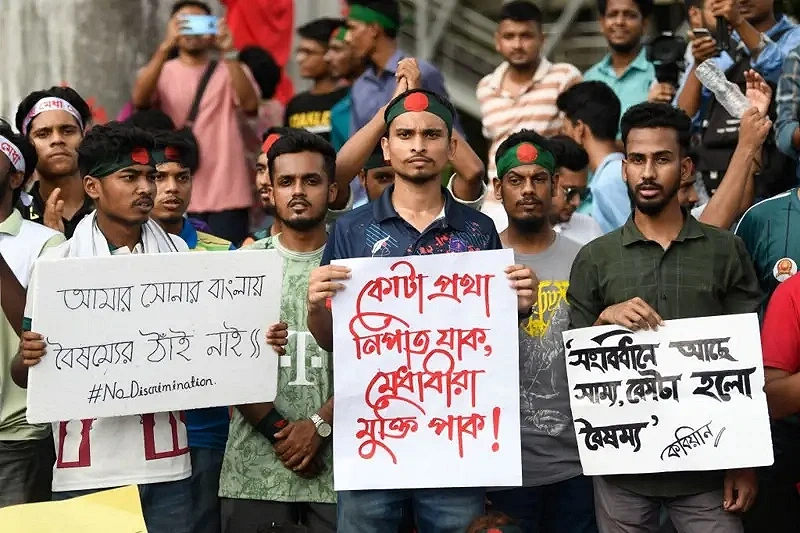
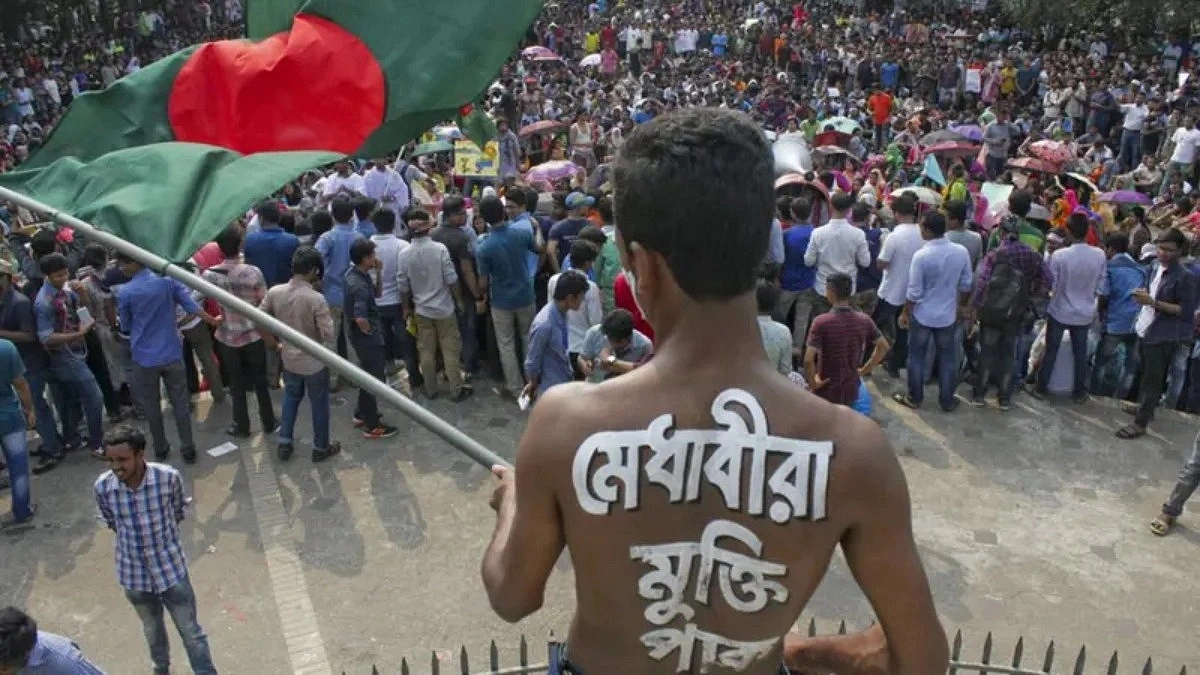
The movement that began in Bangladesh in 2024 around the demand for "quota reform" in government jobs created a new chapter in the country's history just two months later; a government that had been in power for over 15 years fell, and many political calculations were upended. However, movements against the quota system had occurred even earlier. In 2018, facing protests, the government completely abolished the quota system. The then Awami League government also issued a circular to this effect.
In the meantime, following a writ petition challenging that government decision, on June 5, 2024, the High Court reinstated the quota system through a verdict. At that time, students protested not against the reinstatement itself, but demanding logical reforms to the quota. The state filed an appeal with the Appellate Division on June 9, 2024, seeking a stay on the High Court's verdict. But the students continued to intensify their movement, which took its final shape in July. They continued their agitation under the banner of the Anti-Discrimination Student Movement.
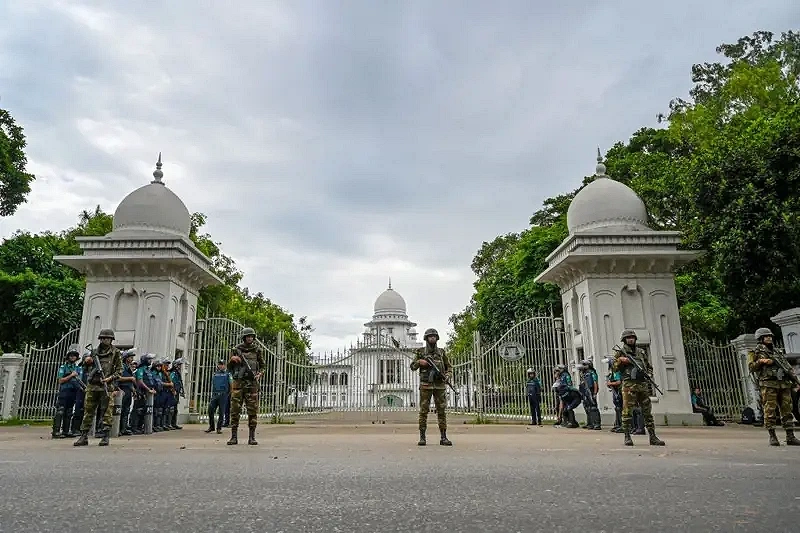
The students' movement demanding quota reform spread across the country. As a result, in many places, clashes broke out between the protesters and police, as well as members of the then ruling party's student wing, Chhatra League. Meanwhile, a statement made by the then Prime Minister Sheikh Hasina at a press conference sparked intense anger among the protesting students. Following this, violence, casualties, road blockades, internet shutdowns, attacks on police, army deployment, and the imposition of curfews occurred across the country.
Amid the curfew, on July 21, the Supreme Court held a hearing on the leave-to-appeal petition against the High Court verdict—an unprecedented event in Bangladesh's history. The Supreme Court struck down the High Court verdict that had reinstated 56 percent quotas in government jobs. However, when the interim government in 2024 announced various benefits for the July movement participants, various concerns regarding quotas re-emerged. For example, a notification mentioned giving special priority in semi-government jobs to able family members of those killed and injured in July.
Consequently, questions have arisen: Are the July movement protesters also receiving quota benefits? What are the current quota percentages in government jobs? Has any new quota been added to government jobs?
What are the current quotas and their percentages in government jobs?
Before the Sheikh Hasina government abolished the quota in 2018, there was a total of 56 percent quota in government jobs across five categories: 30 percent for freedom fighters, 10 percent for districts, 10 percent for women, 5 percent for ethnic minorities, and 1 percent for persons with disabilities. When the High Court reinstated this previous system on June 5, 2024, students launched protests, which eventually transformed into a one-point demand for Sheikh Hasina's ouster. Against this backdrop, the Appellate Division, on July 21 of that year, ruled to abolish the 56 percent quota.
The Appellate Division directed that 93 percent of government job recruitment be based on merit. Instead of the 56 percent, it ordered 7 percent quota-based recruitment. The Appellate Division's ruling ordered that only a 5 percent quota be retained for the children of freedom fighters, martyred freedom fighters, and Biranganas (wartime heroines). Previously, grandchildren of freedom fighters were entitled to quota benefits, but that provision was struck down.
In 1990, partial changes were made to the quota system in recruitment for non-gazetted posts, but it remained unchanged for Class 1 and Class 2 positions. Children of freedom fighters were included in government jobs in 1997, during the Awami League government's tenure. Keeping the 1985 quota distribution unchanged, an order was issued stating that if suitable freedom fighter candidates were not found in the 30 percent freedom fighter quota, it would be allocated to the "sons and daughters of freedom fighters/martyred freedom fighters." Shortly thereafter, several notifications were issued stating that the children of freedom fighters were not receiving appointments according to the quota. The notifications warned that "action would be taken against the concerned appointing officer" if the directives were not followed.
However, in 2002, during the BNP-led four-party alliance government, another circular was issued revoking the previously issued circulars regarding the distribution of quota allocated for freedom fighters. It stated: "Amending the instruction that the 30 percent quota reserved for freedom fighters must be retained and not filled by other candidates, the government has decided that from the 21st BCS examination onwards, if suitable candidates are not found in the 30 percent quota for freedom fighters, the vacant posts (cadre and non-cadre) may be filled with candidates at the top of the merit list."
In other words, if qualified candidates were not found in the 30 percent freedom fighter quota, recruitment would be made from the merit list. When the Awami League-led Grand Alliance government was formed in 2008, this instruction was also revoked. Simultaneously, the Establishment Ministry issued a notification ordering that posts be kept vacant if the quota for the children of freedom fighters could not be filled.
The next change in the quota came in 2011. At this time, grandchildren of freedom fighters were also included in the 30 percent freedom fighter quota. Finally, in 2012, the government issued a notification adding a 1 percent quota for persons with disabilities.
Now, the district quota, women's quota, and the quota for grandchildren of freedom fighters no longer exist.