
RMG minimum wage board postpones third meeting indefinitely

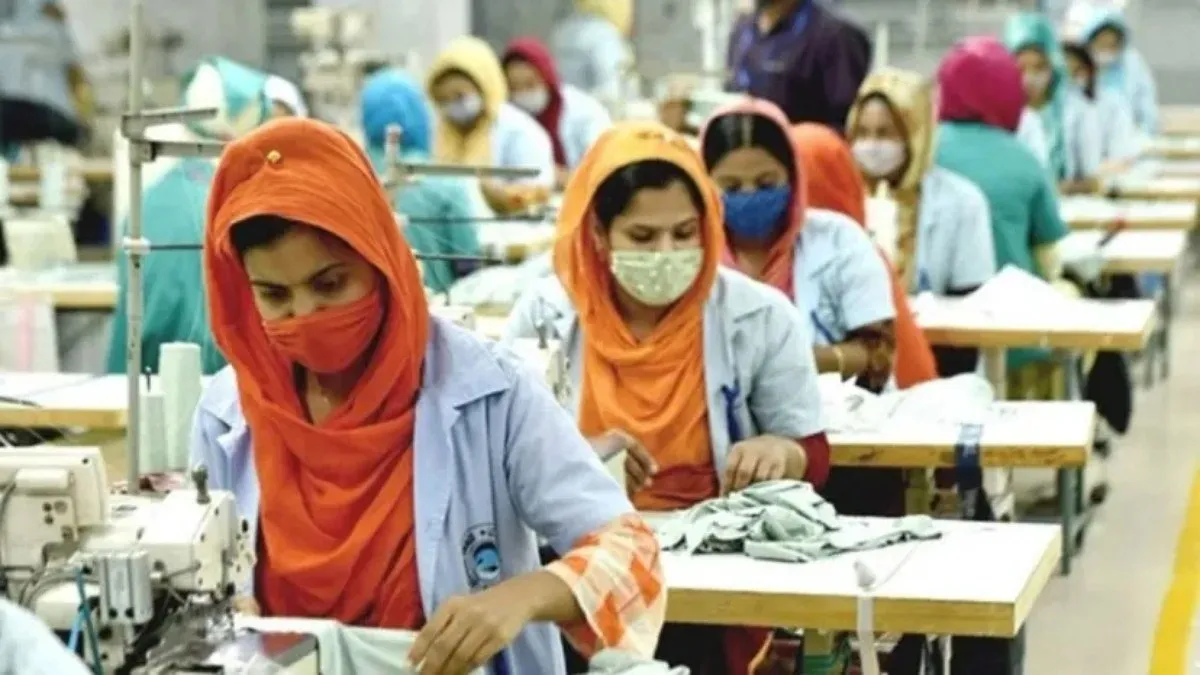
Collected Photo
Minimum Wage Board, formed to make recommendations for minimum wage rates for all categories of workers and employees of the readymade garment (RMG) industry sector, has postponed its third meeting.
Ministry of Labour and Employment confirmed the matter in a press release signed by Secretary Raisa Afroz on Monday.
The meeting was scheduled to take place at the Department of Labour at 11 am. However, the press release said the meeting was postponed due to “unavoidable reasons” and “the date of the meeting will be rescheduled soon and will be informed.”
According to the notice, the meeting, organized in accordance with the provisions of the Bangladesh Labour Act, was to be chaired by Syed Azad Subhani, chairman of the board. The main agenda for the meeting was to receive a written proposal for the minimum wage rate from the owners’ representatives and to discuss the wage structure for all classes of workers and employees.
The minimum wage for RMG industry workers is Tk 12,500, which came into effect from the final quarter of 2023. Although a wage board was previously formed every five years, the government amended the labour law to reduce the timeframe for wage re-fixation to three years.
Recently, in the face of workers’ movement and unrest in various industrial zones, the government reconstituted the minimum wage board on 1 November. Along with District and Sessions Judge Syed Azad Subhani serving as chairman, neutral members, owners’ representatives, and workers’ representatives are serving on the board.
The first meeting of the board was held on 4 November. Later, in the second meeting, the workers’ representatives submitted a written proposal to increase the minimum wage to Tk 32,000. A counter written wage proposal from the owners’ representatives was also scheduled to be submitted at the third meeting.
Earlier on Sunday, various aspects of determining a new wage were discussed at a joint exchange meeting of top garment industry owners’ organizations, considering the cost of living of workers and factory capacity.
At the end of the board’s first meeting, representatives of both sides set a target to finalize the new wage structure for the garment industry by December, so that workers could receive salaries under the new scale starting from January.
However, with the important meeting being postponed, the submission of the owners’ proposal and the overall process have been somewhat delayed.
