
Inclement Weather
As gas supply falls once again, Petrobangla expresses its regret

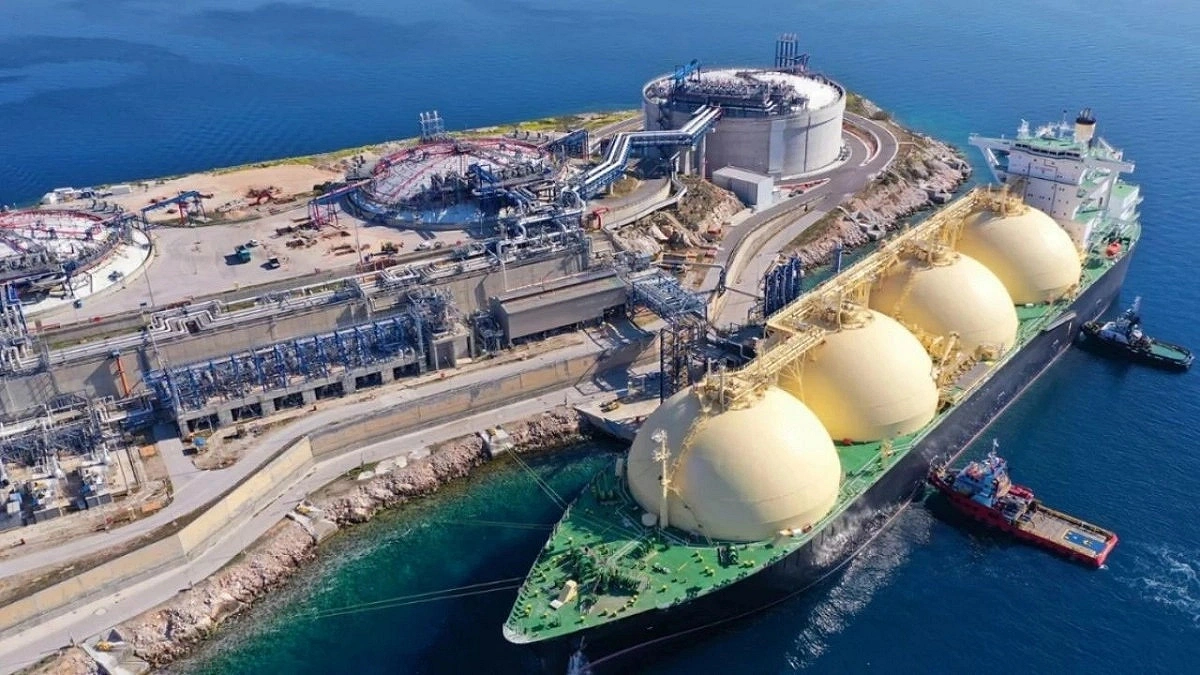
File photo of floating LNG terminal.
Due to adverse weather conditions in the Bay of Bengal, an LNG-laden vessel was unable to berth at the floating terminal in Moheshkhali, Cox's Bazar, leading to a reduction in gas supply.
On Thursday (September 24) at 6:00 PM, around 680 million cubic feet of gas was supplied from the two terminals, which have a combined capacity of 1.1 billion cubic feet.
A Petrobangla official informed Agamir Somoy that an LNG tanker arrived on Wednesday and was scheduled to connect to the terminal that same day. However, rough sea conditions prevented the connection, resulting in a reduced gas supply. Supply is expected to increase once the weather improves. Petrobangla expressed regret for this temporary inconvenience caused by unavoidable circumstances.
Experts note that gas supply in the country is already below demand. As a result, even minor disruptions in LNG supply lead to a drop in gas pressure across power plants, industrial factories, CNG stations, and households.
LNG import through floating terminals in the country began in August 2018, with the first terminal set up by a US-based firm. The second terminal began operations in April 2019. Both terminals carry 15-year contract terms.
Adverse weather in the sea has disrupted supply multiple times in the past. In 2024, Cyclone Remal damaged the second terminal, which resumed operations on September 11 of that year following repairs.
Supply shortages have recurred this year as well. In April, technical issues forced one terminal to shut down, cutting supply by nearly half until repairs were completed. In July, technical glitches caused supply from both terminals to drop from 1 to 1.05 billion cubic feet to under 600 million cubic feet.
In August, harsh sea conditions and high wind speeds forced an LNG vessel to return to the Port of Singapore, again cutting the total supply from both terminals roughly in half.
This month, reports also emerged that contract-based LNG supply was disrupted due to the impact of war in the Middle East, forcing emergency spot purchases at nearly triple the cost.
