
Rooppur Nears Power Generation Despite Unresolved Issues
- How Russia will take back hazardous spent fuel remains unresolved.
- Maintenance, operations, and spare parts supply arrangements still not finalized.

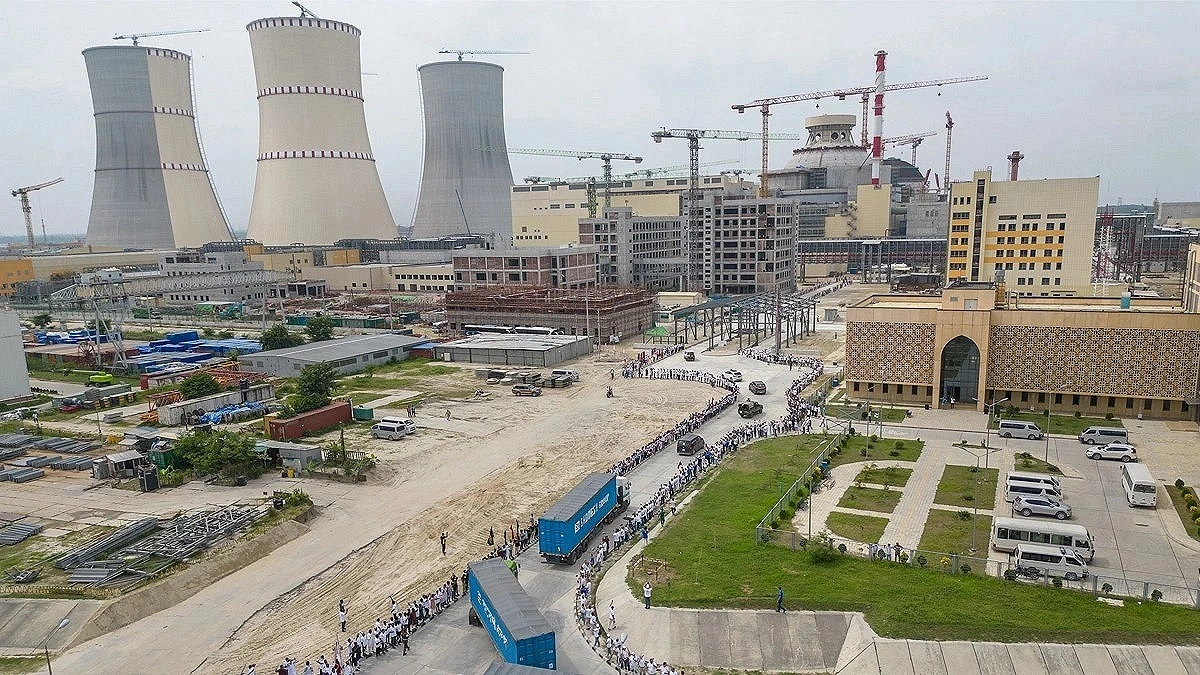
Photo: Rosatom
Bangladesh is facing a severe power crisis following the outbreak of the Iran–U.S. war, as fuel shortages and dollar constraints have disrupted energy imports. Against this backdrop, discussions about bringing electricity from the Rooppur Nuclear Power Plant into the national grid later this year offer a ray of hope. However, Bangladesh has yet to sign an agreement with Russia for the removal of the plant’s hazardous spent fuel.
Several other key agreements, including those related to the plant’s operation and maintenance, also remain pending. Moreover, although power purchase agreements are typically signed before a power plant begins operation, Rooppur still does not have one. As a result, uncertainty persists over the price of electricity the plant will generate. Taken together, Rooppur is moving toward production amid numerous questions and concerns.
Dr. M Moinul Islam, acting chairman of the Bangladesh Atomic Energy Commission, told Agamir Shomoy that work on the power purchase agreement is underway. However, he declined to comment on when the agreement might be signed.
When asked about spent fuel, maintenance, and other pending agreements, he advised contacting the project director. Repeated calls to Project Director Md. Kabir Hossain’s mobile phone went unanswered.
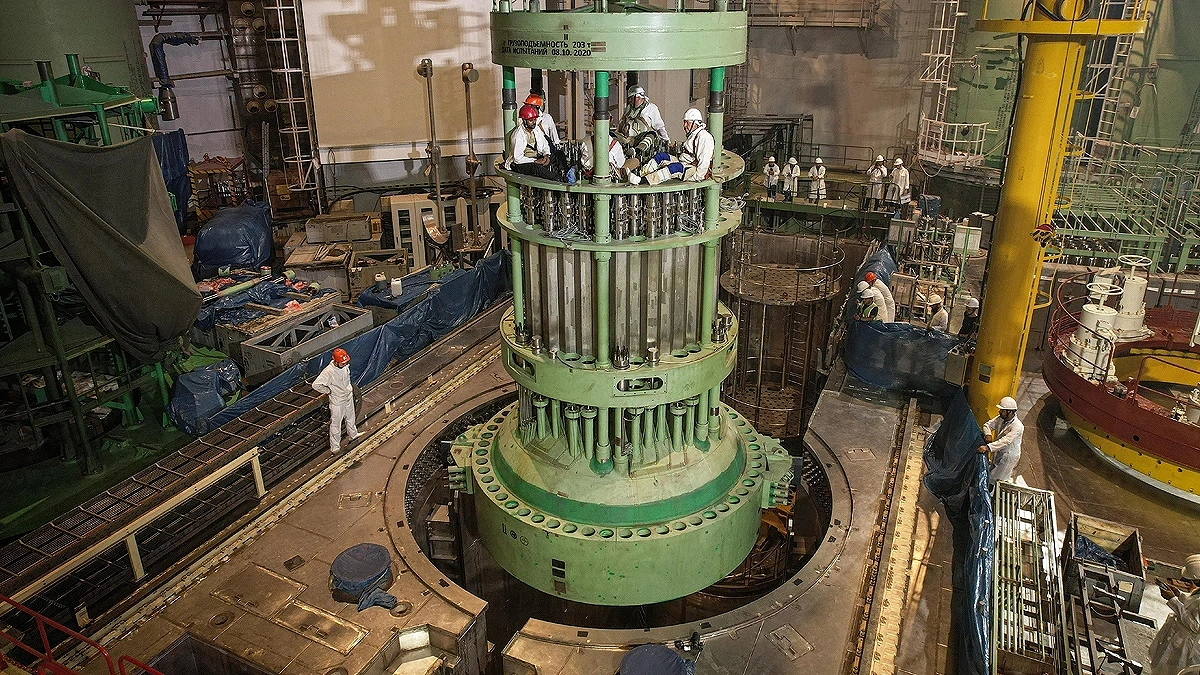
However, an official of the Atomic Energy Commission told Agamir Shomoy that discussions on agreements other than the power purchase agreement have largely stalled. According to the official, everyone is currently focused on bringing the first unit online as quickly as possible.
Dhaka University’s senior professor of Nuclear Engineering, Dr. Md. Shafiqul Islam, said the nuclear power plant is heading toward trial production while many important issues remain unresolved. He told Agamir Shomoy that spent fuel is highly hazardous. It remains unclear whether Russia will take the spent fuel back for processing and then return it, or store it permanently. Questions also remain about the associated costs. The absence of a power purchase agreement has created uncertainty over electricity prices. No one knows how the plant will ultimately be operated and maintained. The formation of a waste management company for handling nuclear waste also remains unresolved.
In his view, these agreements should have been completed much earlier to ensure proper safety standards. Rushing them now will not produce good results. He stressed that the government should finalize these critical agreements before commercial operation begins and disclose their terms to the public without further delay.
Spent Fuel Removal Agreement
Once nuclear fuel is loaded into Rooppur, the plant will initially operate continuously for one and a half years. After that, it can run for up to two years before one-third of the fuel must be replaced because of declining efficiency in electricity generation. This used nuclear fuel is known as spent fuel.
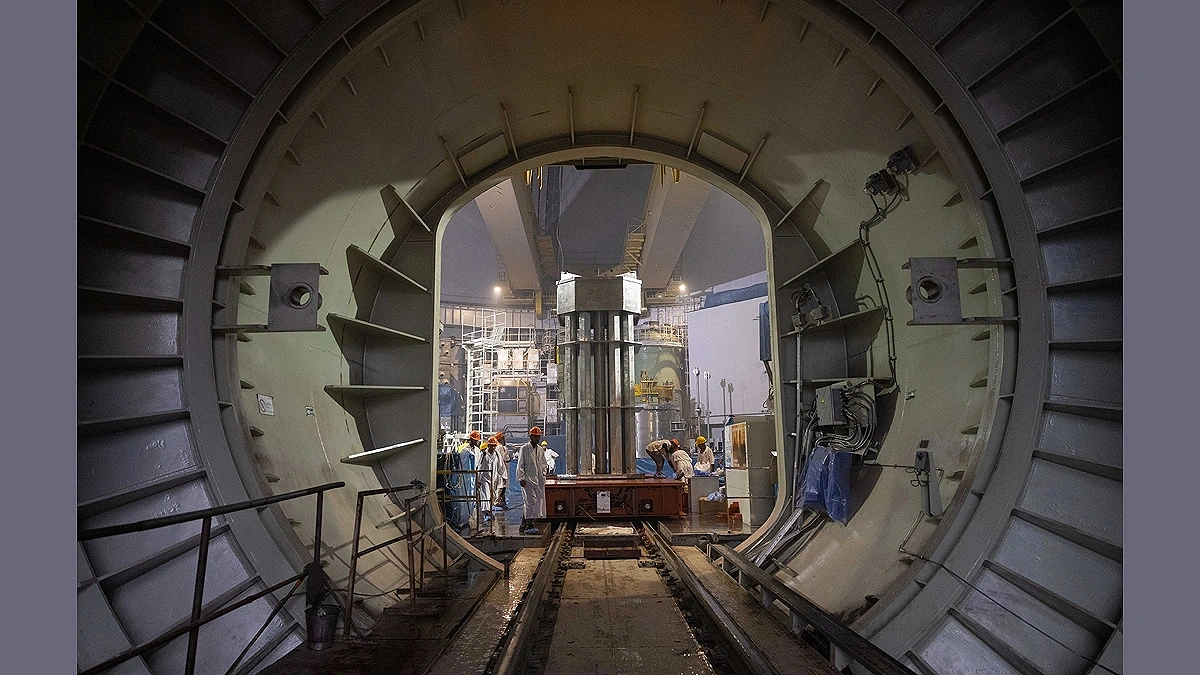
Because of its intense heat and radioactivity, spent fuel poses serious risks to human health and the environment. Power plants typically store spent fuel in cooling pools for several years before transferring it to special dry casks for long-term storage.
Bangladesh, however, lacks the capacity for long-term spent fuel storage. Russia was expected to take the spent fuel back to its own territory. Although Bangladesh and Russia signed an intergovernmental memorandum on the issue, they have yet to finalize a binding agreement for the return of spent fuel.
Power Purchase Agreement
The Bangladesh Power Development Board (BPDB) purchases electricity generated by domestic power plants and imported from abroad at wholesale rates before selling it to state-owned distribution companies. Those companies then sell the electricity to consumers.
Under standard practice, power producers sign an agreement with BPDB before a plant is built, specifying the price of electricity per unit. This agreement is known as a Power Purchase Agreement (PPA).
Rooppur, however, still lacks a PPA. Project officials said determining the electricity tariff depends on operating costs, maintenance expenses, decommissioning costs, and several other factors. Since key agreements remain unsigned, they have been unable to determine the plant’s final electricity price.
BPDB officials complain that they have been urging project authorities for nearly a year and a half to finalize the PPA and provide the necessary information. They say they have received little response.
According to an official of the Bangladesh Atomic Energy Commission, a draft agreement has already been prepared and a committee has been formed to work on the issue. The official argued that setting tariffs for a nuclear power plant is considerably more complex than for conventional power plants because it involves a wide range of costs. In addition, nuclear power is new to Bangladesh, and several important project agreements remain outstanding. These factors, the official said, are largely responsible for the delay.
Uncertainty Over Electricity Prices
The absence of a PPA has also created uncertainty about the actual cost of electricity from the plant.
On August 22, 2020, then Science and Technology Minister Architect Yafes Osman told reporters after inspecting the project in Ishwardi that electricity would cost between Tk4 and Tk4.50 per unit. In October 2023, officials indicated that the price could rise to between Tk7 and Tk8 per unit.
Project officials now suggest that generation costs alone could reach Tk4.31 per unit. Once operation, maintenance, other related expenses, and spent fuel management costs are added, no one can say with certainty what the final price will be.
The uncertainty surrounding electricity pricing also surfaced during a public hearing on power tariff hikes held by BPDB on May 20.
Other Key Agreements Still Pending
Bangladesh and Russia are also expected to sign separate agreements covering operation and maintenance of the power plant, as well as the supply of equipment and spare parts required at various stages of its operation.
None of these agreements has been finalized.
Yet they will be essential once the plant becomes operational. Without them, operation and maintenance activities could face disruptions. Delays in securing spare parts could also create complications if equipment suddenly requires replacement.
Energy experts have warned that delays in signing these agreements could significantly increase the plant’s operating costs, ultimately affecting electricity prices.
Calls for Audit and Corruption Investigation
Professor M. Shamsul Alam, energy adviser to the Consumers Association of Bangladesh (CAB), expressed strong concern over the situation.
He called for a comprehensive forensic, technical, and energy audit of the Rooppur project before electricity prices are determined, so that the project’s actual costs and any possible irregularities can be identified.
He also demanded that a detailed breakdown of the project’s expenditures be made publicly available.
According to him, electricity tariffs should be calculated based only on standard or benchmark construction costs that are consistent with those of nuclear power plants around the world.
