
Why did India allow Sheikh Hasina to speak to the media,asks Home Minister

Graphics: Agamir Somoy
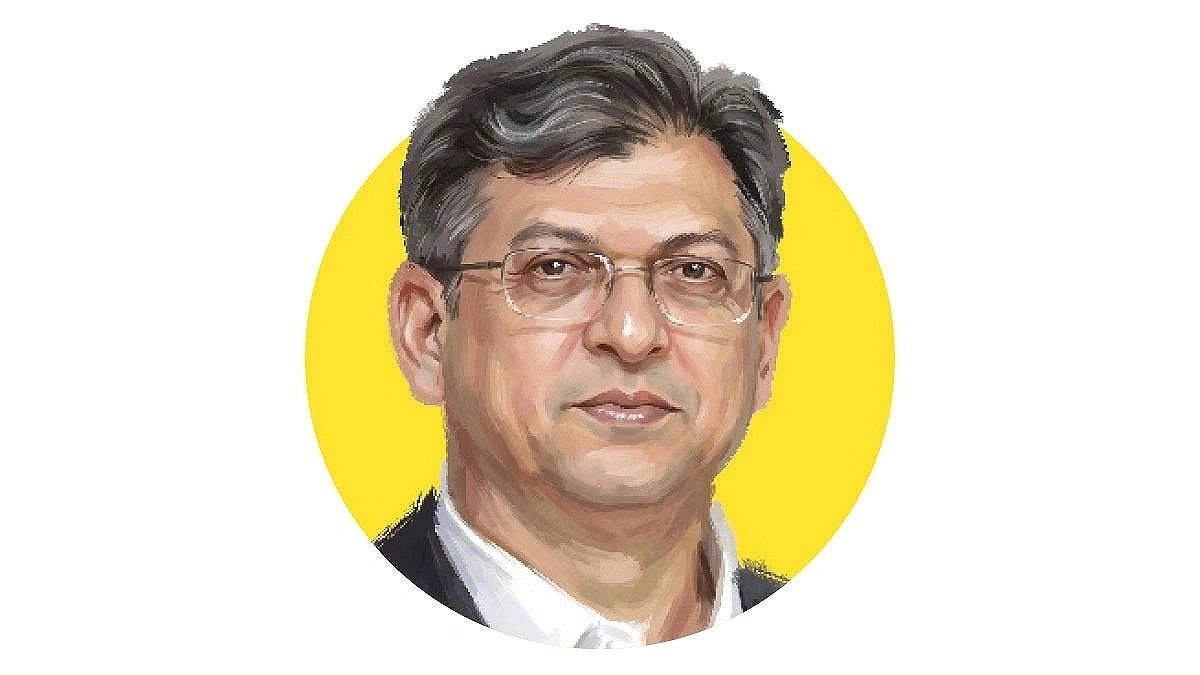
Despite expressing concern, BNP Standing Committee member and Home Minister Salahuddin Ahmed has questioned the role of the Indian government in allowing ousted Bangladeshi Prime Minister Sheikh Hasina to speak at a press conference in New Delhi.
In an interview with BBC Bangla, he said, “Why did the Indian government allow Sheikh Hasina to speak to the media? That is our question.”
Sheikh Hasina has been staying in India since being ousted from power during the July Mass Uprising. Referring to the matter, Salahuddin said, “India has given her asylum. But while staying there under asylum, Sheikh Hasina is carrying out political activities concerning Bangladesh. She was directly given the opportunity to speak to the media.”
He also raised the question, “Why did the Indian government give Sheikh Hasina, who is staying in India after being sentenced to death for crimes against humanity in Bangladesh, the opportunity to carry out these political activities?”
Yesterday, August 5, on the second anniversary of the fall of the Awami League during the July Mass Uprising, Sheikh Hasina joined and spoke at a press conference organized by the Foreign Correspondents Club of South Asia, known as FCC South Asia, in New Delhi. She also answered various questions there. Bangladesh's Foreign Ministry expressed an angry reaction to the matter.
BNP leader Salahuddin Ahmed said, “They, the Awami League government, carried out a genocide during the July movement. But so far, they have neither expressed regret nor apologized. They do not even have any remorse. Rather, after taking shelter in India, they are carrying out activities against the people of Bangladesh. The people are angry with them.”
Two years ago, the then interim government banned the activities of the Awami League through an ordinance. The ordinance included provisions under the Anti Terrorism Act to ban all activities of any entity involved in terrorist activities. After forming the government through the national parliamentary election, the BNP passed a proposal in Parliament to amend the Anti Terrorism Act. As a result, the activities of the Awami League remain banned.
According to Home Minister Salahuddin Ahmed, “An investigation into allegations of crimes against humanity against the Awami League as a political party is underway. The party will face trial at the International Crimes Tribunal. That provision has been included in the relevant law.”
He noted, “The BNP does not want to ban the activities of any political party through an executive order. This is a matter for the court to decide. They, the Awami League, have not gone to court. The government will act according to the decision that comes from the court.”
At the same time, the Home Minister said, “The people will also deliver their judgment. They, the Awami League government, carried out a genocide during the July movement. During their long rule, they carried out repression and persecution against people with opposing political views and parties; they carried out enforced disappearances and killings. As a result, the people have no trust in them, and the people will also deliver their judgment regarding them.”
