
Hilsa sold in Bhola despite ban as raids halt due to funding shortage
- Hilsa development and management project ends

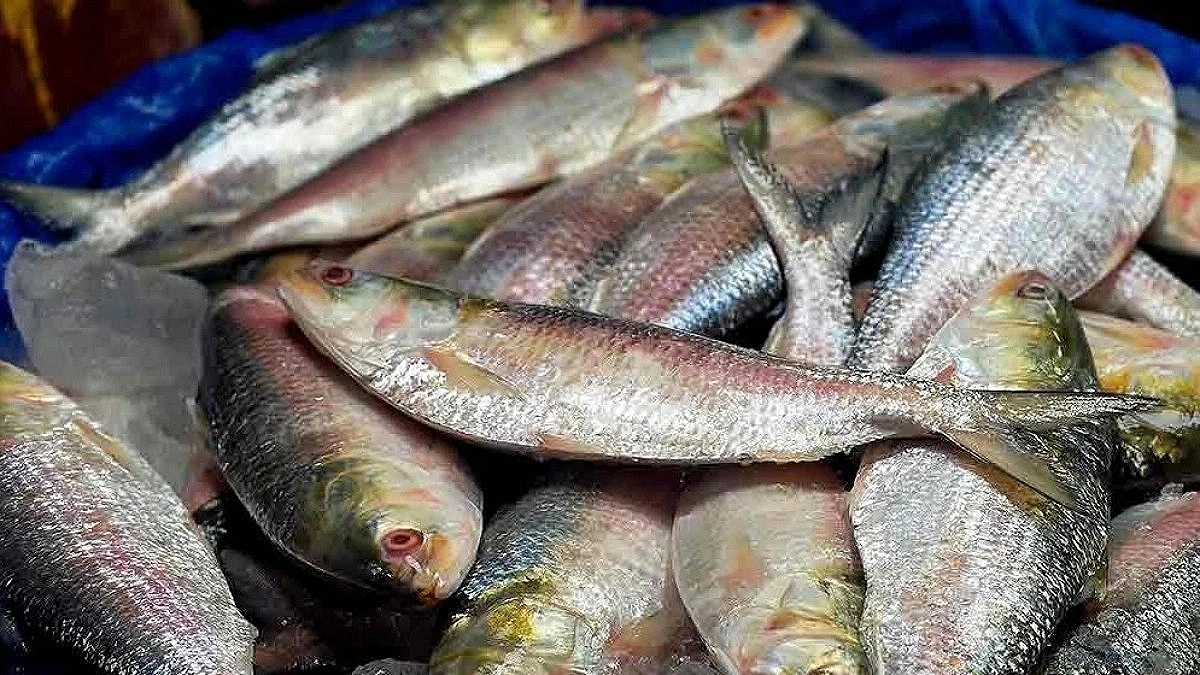
Collected Photo
A special project was in place to protect hilsa, with additional funding, speedboats and fuel support. However, the situation has changed since the Hilsa Resource Development and Management Project ended. Authorities are now conducting the 22-day mother hilsa conservation drive across seven upazilas using limited revenue allocations. The number of raids has decreased, and patrols are being conducted on trawlers instead of speedboats. Meanwhile, allegations have emerged that hilsa is being sold secretly in various parts of Bhola. This has raised questions about how effective the mother hilsa conservation drive can remain after the project’s funding has ended.
According to Fisheries Department sources, the Hilsa Resource Development and Management Project, which began in July 2020, ended in June this year. The project, which cost around Tk 2.46 billion, covered 134 upazilas across 29 districts in six divisions of the country. Its activities included hilsa conservation, increased production and alternative employment opportunities for fishers. During the project period, upazilas received additional assistance ranging from Tk 600,000 to Tk 1 million, depending on the importance of the local area, apart from their regular revenue allocations. Funding was also provided for speedboats, fuel, manpower and law enforcement. With the project now over, authorities must rely on revenue allocations to conduct the raids.
This year, Tk 1.05 million has been allocated from the revenue budget to conduct the 22-day mother hilsa conservation drive across Bhola’s seven upazilas. After a 15 percent tax deduction, Tk 892,500 remains. Fisheries officers in different upazilas of the district said allocations ranged from Tk 160,000 at the highest to Tk 110,000 at the lowest. However, conducting a single raid cost at least Tk 10,000 to Tk 12,000.
Upazila fisheries officers said four to five raids were previously conducted during the day and at night in each upazila. This year, the authorities cannot conduct raids at the previous scale because expenses exceed the available allocations. Speedboats cannot be used to reduce costs, forcing teams to conduct operations using trawlers. This has made it difficult to chase fishers engaged in illegal fishing. The end of project funding has also worsened the manpower shortage. However, officials said they were making every possible effort despite these limitations.
Meanwhile, local residents have alleged that fishers have been seen secretly selling hilsa in various parts of the district. The sale of fish despite the ban has prompted questions about the mother hilsa conservation drive. Residents fear that if mother hilsa are not allowed to reproduce without disruption, future hilsa production could also be at risk.
Bhola District Fisheries Officer Mohammad Delwar Hossain said, “When the hilsa development project was in place, we could conduct raids quite effectively using its funds. This year, with the project having ended, we are struggling to conduct raids because of shortages of funds and manpower. We are facing serious problems.” However, he said they were leaving no stone unturned in their efforts.
Molla Emdadullah, the former director of the project, said, “I am no longer keeping track of it. During my tenure, I provided support. I provided speedboats, money and fuel, as well as funds for law enforcement. Now, money has been allocated from the revenue budget. However, conducting raids solely with revenue funds is very difficult.”
