
Leaders of major polluting nations absent from climate summit

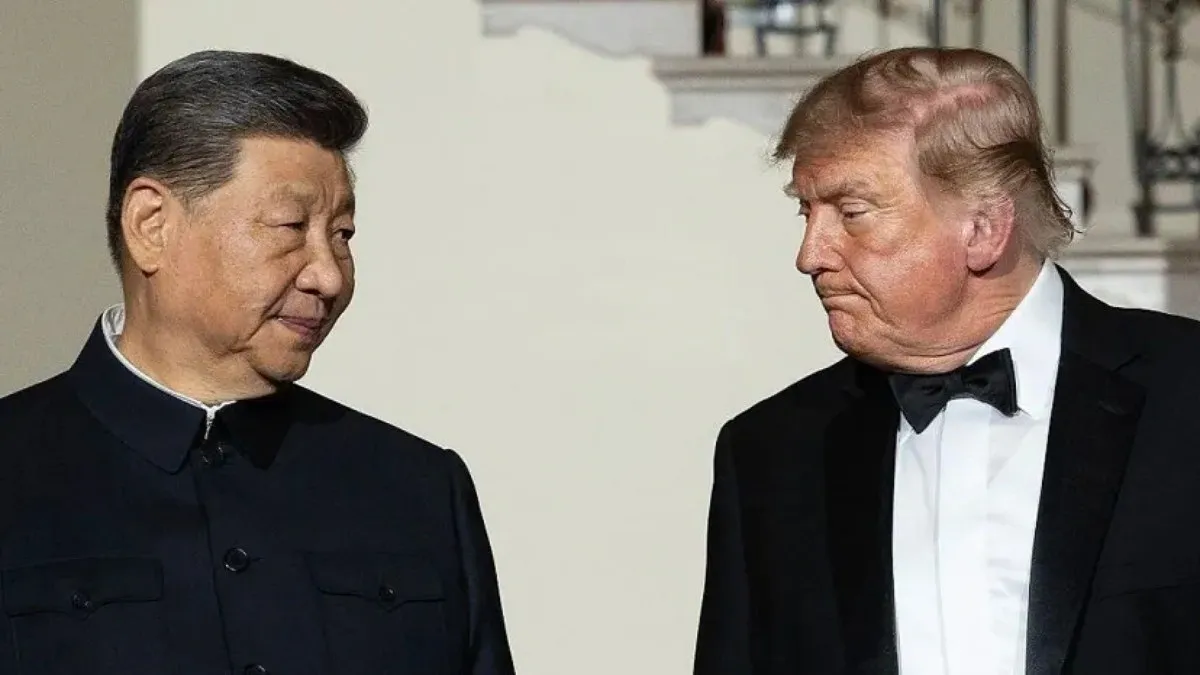
Photo: US and Chinese leaders Donald Trump and Xi Jinping
Many influential leaders of countries bearing the greatest responsibility for addressing the climate crisis are absent from the United Nations climate summit. The absence of the leaders of the world’s two largest carbon emitters, the United States and China, is particularly noticeable.
As the climate crisis grows increasingly severe, the absence of leaders from countries capable of playing a major role in addressing it has disappointed environmental activists. They fear that reaching effective decisions will be difficult without the direct participation of political leaders from these countries.
The 31st United Nations Climate Change Conference (COP31) is underway in Antalya, a Mediterranean resort city in Türkiye. The two-week conference began on November 9 and will continue until November 20.
Severe heatwaves across Europe, deadly floods in Nepal and devastating wildfires in Indonesia have further highlighted the impacts of the climate crisis. The situation has increased pressure on governments to take effective measures to address the crisis.
Dozens of world leaders will deliver speeches at the high-level sessions of the conference on Wednesday and Thursday. They include Turkish President Recep Tayyip Erdogan, Brazilian President Luiz Inacio Lula da Silva and Iranian President Masoud Pezeshkian.
However, French President Emmanuel Macron, German Chancellor Friedrich Merz and Italian Prime Minister Giorgia Meloni will not attend this year’s summit. Canadian Prime Minister Mark Carney and Japanese Prime Minister Sanae Takaichi are also absent from the latest published list of participants.
European Commission President Ursula von der Leyen is attending the conference. Among the Group of Seven (G7) countries, UK Prime Minister Andy Burnham is scheduled to address the summit.
In 2017, during Donald Trump’s first term, the United States announced its decision to withdraw from the Paris climate agreement. Joe Biden returned the country to the agreement after taking office in 2021. However, during Trump’s second term, the United States again decided to withdraw from the agreement.
Trump has repeatedly said that the Paris Agreement imposed an “economic burden” on the United States. Since returning to power for a second term, he has not sent any representatives to climate-related discussions.
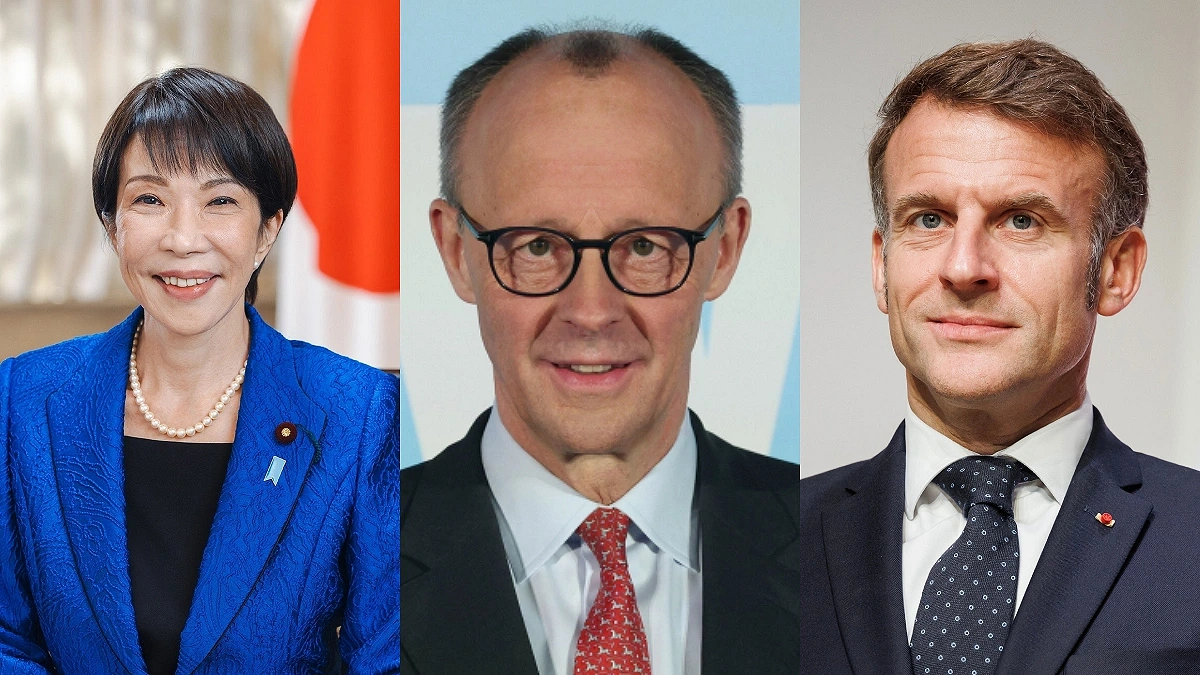
Photo: Sanae Takaichi, Friedrich Merz and Emmanuel Macron.
Cosima Cassel, an expert at E3G, a think tank specializing in climate diplomacy, believes Europe should have had a stronger presence at this year’s summit.
Speaking to the international news agency AFP, she said, “It is unfortunate that the leaders of several major European countries are not attending the summit.”
The French government said President Macron would attend events marking Armistice Day on November 11, commemorating the end of World War I. This is why he is not attending the summit. He is also scheduled to attend an EU meeting in Ireland on Thursday.
According to Chiara Martinelli, director of Climate Action Network Europe, world leaders need to attend such conferences if they want to influence the transformation of the global energy system.
She said, “Being present at a summit like this is a good starting point for world leaders who want to influence the direction of the global energy transition. I fear that Ursula von der Leyen will be left quite alone on the stage because the leaders of the EU’s major economies are absent.”
However, climate activists view Brazilian President Luiz Inacio Lula da Silva’s presence as a positive development. Cosima Cassel said, “At least we have Lula.”
Last month, Lula da Silva was reelected as Brazil’s president after defeating his right-wing rival Flavio Bolsonaro in the presidential election. Climate activists have welcomed his victory with relief because Lula has long worked to reduce deforestation.
Wanun Permpibul of Climate Watch Thailand told Agamir Somoy, “Many influential world leaders are absent from such an important conference, most of whom are responsible for this damage. Their absence will undermine the success of the summit.”
M.A.Hasan of Bangladesh’s COAST Foundation considers the absence of influential leaders significant.
He told Agamir Somoy, “The absence of key world leaders such as Donald Trump, Xi Jinping and Emmanuel Macron this time is deeply significant.”
He asked, “If the leaders of the world’s largest economies do not make addressing the climate crisis their highest priority, how much meaningful change can the world expect? The climate crisis is no longer a matter of diplomatic statements. It is a question of the lives, livelihoods and future of millions of people.”
According to M.A.Hasan, the success of the conference will depend on how effectively decisions are made at the negotiating table and how much commitment is shown to implementing them.
Rapid reductions in greenhouse gas emissions are essential to reduce the risk of global warming exceeding the 1.5-degree Celsius threshold.
According to the United Nations Environment Programme’s (UNEP) 2026 report, global greenhouse gas emissions must be reduced by 18 percent by 2030, 45 percent by 2035 and 69 percent by 2040 compared with 2025 levels.
M.A.Hasan expects COP31 to go beyond making new commitments. He hopes the conference will produce decisions on setting a timeline for a just transition away from fossil fuels, establishing measurable emission reduction targets and ensuring accountability for their implementation.
At the same time, high-emitting countries must ensure accessible, predictable and grant-based financing for countries affected by climate change.
He said, “The real test of political will is whether those who have contributed the most to creating the climate crisis are prepared to take the greatest responsibility for addressing it.”
