Like good drinks, life can get better with age
- The craft and inner resilience of discovering purpose in life

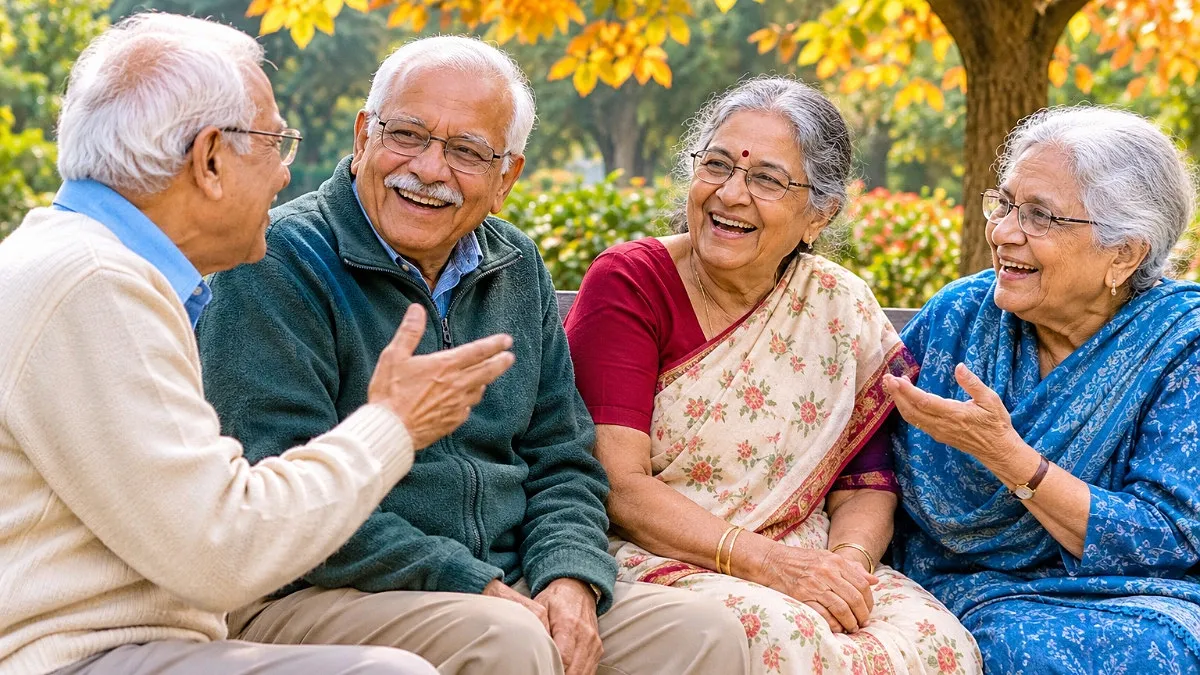
AI generated representational image.
Growing older mirrors our common humanity; we are all in this together. Yet the purpose we perceive in life is a factor we can enhance. Research examines how to build a positive path forward at any age.
Yiqing Yang and Kelin Li (2026) examined pathways to perceiving aging among older adults. They recognize that self-perceptions of aging (SPA), described as personal experiences, beliefs, and evaluations of the aging process, forecast behavioral health results as people grow older, writes Wendy L. Patrick, J.D., Ph.D. who is a career prosecutor and international public speaker based in California, USA.
Covering both positive and negative assessments, SPAs include views of purpose, growth, and resilience, as well as worries about physical, mental, or social decline. Yang and Li observe that people undergo aging differently, some seeing a drop in energy or physical ability while others appreciate better emotional regulation. Unsurprisingly, they acknowledge SPA as a strong predictor of physical and mental health, cognitive functioning, health-related behavior, and longevity.
The Strength of Purpose
Studying a racially diverse sample of adults aged 65 and older, Yang and Li pinpointed some positive and negative predictors of SPA. One of the most notable was purpose in life, which consistently forecast higher positive SPA and lower negative SPA, making it a vital psychological resource over time. They note that purpose in life may spark both meaning and direction, supporting an adaptive reading of aging. Accordingly, purpose can be seen as a gathered asset that may help older adults view aging as continuous growth rather than unavoidable decline. This reframing can also shield against what Yang and Li call internalized age stereotypes by sustaining a forward-looking orientation, countering age-related loss or perceived constraints.
Yang and Li note that their results also stress the concept of SPA as multidimensional. Positive SPA was tied to psychological strengths such as life satisfaction, purpose, and self-esteem, as well as a strong social life and religious affiliation. They interpret these findings as indicating that keeping a favorable view of aging is built through psychological well-being, meaningful social engagement, and a sense of belonging. They contrast these positive outcomes with negative SPA, which was tied to negative outcomes such as having a limited social network, perceived constraints, more health problems, and higher religiosity, indicating that negative perceptions of aging may be explained less by a lack of resources than by perceptions of restrictions, loss, and declining autonomy.
Yang and Li advise caution when interpreting their findings regarding religious involvement. They observe that religious affiliation yields social connection and identity benefits that reinforce positive views about aging, although a higher degree of religiosity may suggest different coping styles and responses to stress or health challenges that are tied to negative SPA. They therefore acknowledge the importance of assessing multiple dimensions of individual religious involvement, rather than viewing spirituality as a single construct. This advice matches the reality that different religions have different belief systems, including views of the afterlife, which will affect older people differently than their younger counterparts.
Better With Age
Celebrating purpose in life can encourage adaptive attitudes about aging and lessen negative self-perception. It is never too late to be grateful for your circumstances, including faith, family, and friends, as well as your ability to keep growing emotionally and spiritually. By taking stock of your blessings, which include not only worldly wealth but wisdom, you can refresh and renew a sense of purpose in life, as well as health, happiness, and hope for the future.
Author: Wendy L. Patrick, J.D., Ph.D. is a career prosecutor, international public speaker, author, and media commentator (U.S.A.)