
Four million children contract pneumonia annually, 66 die every day
- Symptoms include cold, fever and breathing difficulties, but the disease is not limited to winter
- Air pollution, malnutrition and delays in treatment are increasing the risks

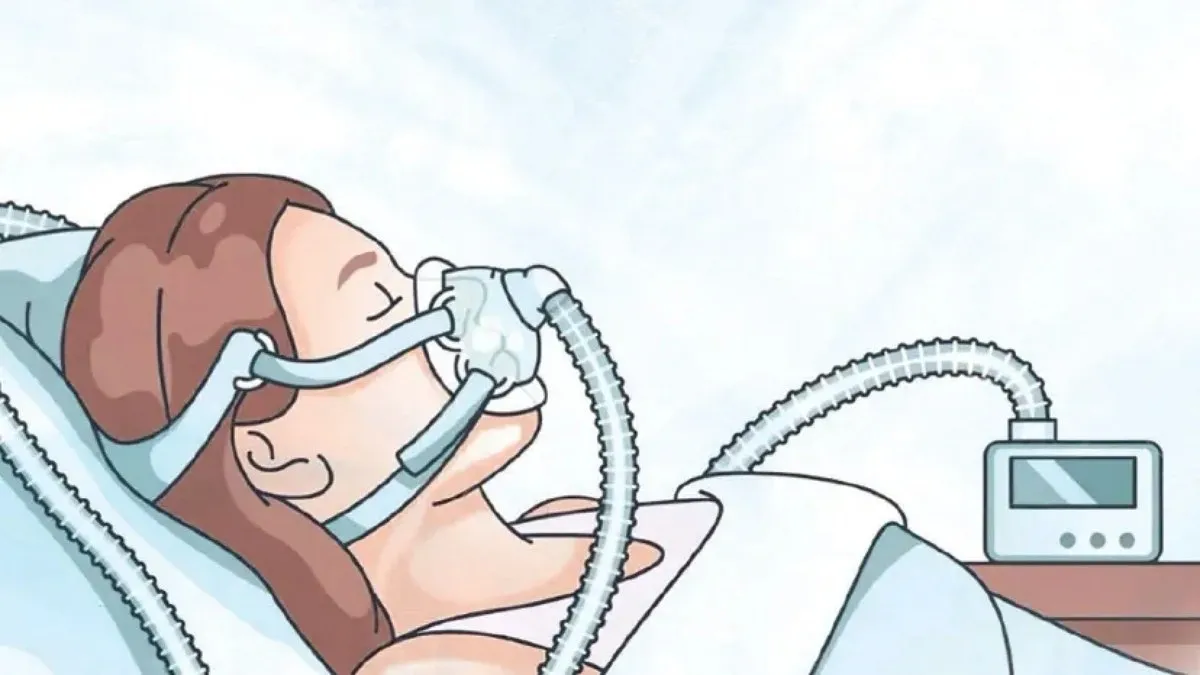
Graphics: Agamir Somoy
Holding his four-month-old nephew Arraiyan in his arms, Md Faisal was standing outside Room 711 at the Bangladesh Shishu Hospital and Institute. The child, who had come from Noakhali, was suffering from pneumonia. He had been undergoing treatment for 12 days. Before coming to Dhaka, he had also spent three days admitted to a local hospital. The family has spent Tk 35,000 to Tk 40,000 on his treatment.
Faisal said, “For poor people like us, paying Tk 700 every day for the ward is very difficult. He is now receiving injections and saline. The doctors have said they may discharge him within a day or two.”
Outside Room 712 of the same hospital, Faruk Hossain from Dinajpur was standing with his 18-month-old daughter, Fariha Tabassum. His daughter had been ill for a month. She was admitted to the hospital on October 27. Faruk said the family had already spent more than Tk 100,000 on her treatment.
He said, “The cost of every test is very high. One test costs Tk 40,000. But that test has not been conducted yet.”
The two families have different stories, but their concerns are the same: children’s breathing difficulties, prolonged treatment and rising medical expenses. Many families initially fail to realize when an illness that begins with an ordinary fever and cough develops into a complicated disease like pneumonia. Delays in receiving timely treatment force many children to be hospitalized. In some cases, their condition becomes a fight between life and death.
At the six-storey children’s ward of the Mohammadpur Fertility Services and Training Centre, Shahparan was standing with his child. The child was smiling and pulling his father’s hair. He said they had been there for seven days but had not incurred much expense. In contrast, he said, his nephew’s treatment at the Shishu Hospital had cost around Tk 250,000.
According to research data from the International Centre for Diarrhoeal Disease Research, Bangladesh (icddr,b), approximately 4 million children contract pneumonia in Bangladesh every year. Of them, around 677,000 children require hospitalization. The disease claims the lives of approximately 24,000 children annually. This means an average of 66 children die every day.
Against this backdrop, World Pneumonia Day is being observed today, Thursday. The day was first observed on November 12, 2009, to raise awareness about the severity of the disease and encourage action to prevent and treat it.
Hospital admissions over five years
Data from the Bangladesh Shishu Hospital and Institute in the capital also indicate the pressure on healthcare facilities to treat children suffering from pneumonia.
According to hospital data, 3,103 children with pneumonia were admitted in 2022. The number increased to 3,511 in 2023 and 4,260 in 2024. In 2025, 2,631 children were admitted. A total of 2,293 children had been admitted as of November 7 this year.
A monthly analysis of this year’s data shows that 319 children with pneumonia were admitted in January, 339 in February, 415 in March, 268 in April, 198 in May, 152 in June, 145 in July, 159 in August, 151 in September and 129 in October. Another 18 children were admitted up to November 7.
Not just a winter disease, risks persist throughout the year
Pneumonia is commonly perceived as a winter disease. However, children continue to contract the illness during other seasons as well. Hospital data for this year show that children with pneumonia were admitted every month from January to November. The highest number of admissions was recorded in March, with 415 children.
Public health experts say air pollution, dust, malnutrition, indoor smoke and various respiratory infections can increase the risk of pneumonia.
Black smoke from vehicles, construction dust and industrial pollution in the capital are harmful to children’s lungs. Smoke from fuels used for cooking also increases indoor air pollution. Children suffering from malnutrition, those born with low birth weight and infants under six months of age are particularly vulnerable to the disease.
What the research says
A study titled Community-Acquired Pneumonia in Bangladeshi Children Under Five: Pathogen Prevalence, Resistance Trends and Diagnostic Biomarkers, published in the Journal of Pediatric Infectious Diseases in 2026, included 226 children under five suffering from pneumonia and 201 healthy children at Dhaka Medical College Hospital.
The study found that 40 percent of pneumococcal bacterial samples showed resistance to multiple antibiotics. Similarly, multidrug resistance was found in 38 percent of Haemophilus influenzae samples, while 76 percent of Staphylococcus aureus samples showed methicillin-resistant characteristics. In addition, bacterial and viral co-infections were identified in 14 percent of cases.
Associate Professor Md Kamruzzaman of the Respiratory Department at the Bangladesh Shishu Hospital and Institute told Agamir Somoy that pneumonia can be caused by bacterial, viral and fungal infections.
Children under five and people over 60 are at greater risk of contracting the disease. Rapid breathing in children is one of the key symptoms of pneumonia. Other warning signs include the lower part of the chest sinking inward while breathing, inability to eat, repeated vomiting, excessive lethargy, high fever and seizures. If any of these symptoms appear, the child should be taken to a doctor immediately.
He advised, “To prevent pneumonia, it is important to feed a newborn colostrum within the first hour of birth and exclusively breastfeed the child for the first six months. After six months, nutritious food should be provided alongside breastfeeding. In addition, all vaccines under the EPI programme must be administered on time. Pneumococcal and Hib vaccines are particularly important in preventing pneumonia. Caregivers should wash their hands regularly and avoid taking children to crowded places unnecessarily.”
