
Half of properties belonging to Quader, Nasim, Arafat, Parash, and Nikhil to be confiscated

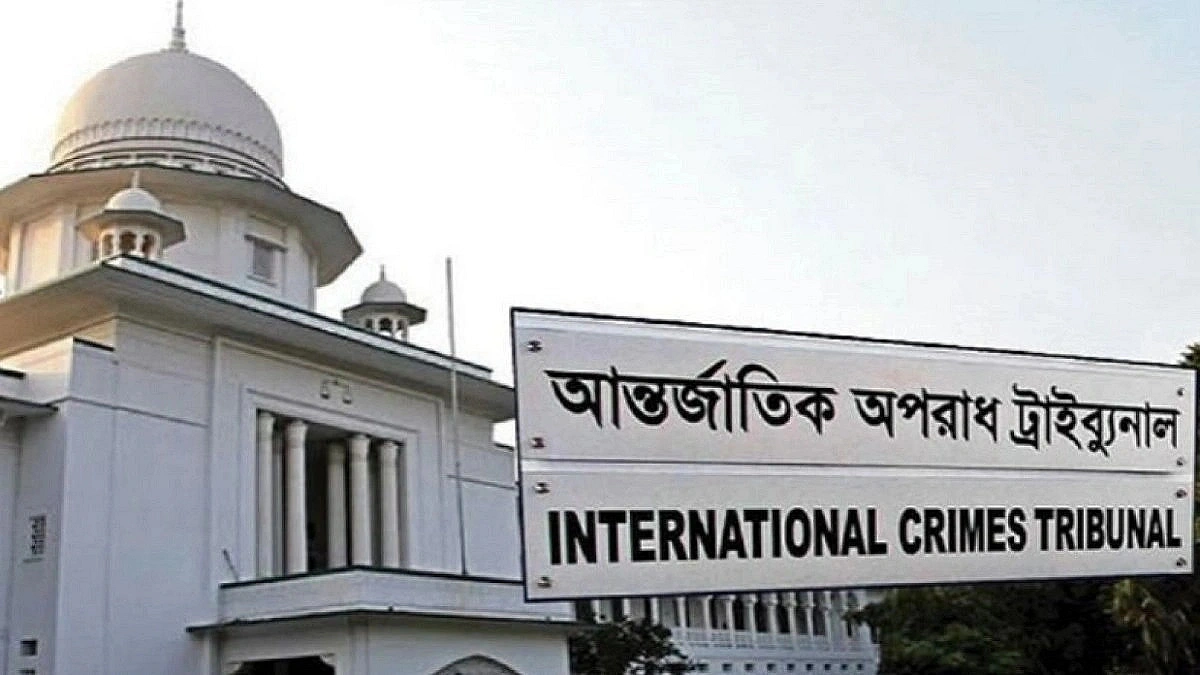
Graphics: Agamir Somoy
Along with awarding death penalty for crimes against humanity, the judgment of the International Crimes Tribunal ordered the confiscation of half the properties of five individuals, including Obaidul Quader.
Today, Tuesday, the three-member International Crimes Tribunal-2, led by Justice Nazrul Islam Chowdhury, delivered the verdict in the case against these seven individuals.
In the verdict, all seven accused, including Obaidul Quader, general secretary of the Awami League (currently banned), have been sentenced to death.
Among them, the tribunal ordered the confiscation of the properties of five individuals. Besides Obaidul Quader, the other four are Awami League Joint General Secretary A.F.M. Bahauddin Nasim, former State Minister for Information Mohammad A. Arafat, Chairman of the activity-banned Jubo League Sheikh Fazle Shams Parash, and General Secretary Mainul Hossain Khan Nikhil.
The verdict said that half of all their movable and immovable properties are, hereby, confiscated.
The proceeds from the sale of these properties were directed to be given as compensation to the July Foundation or to any other statutory institution.
The July Foundation was formed during the interim government's tenure to support the martyrs and the injured of the July 2024 mass uprising and to preserve their memory. Financial assistance is being provided to the families of the deceased and to the injured through this foundation.
In the verdict delivered today, Saddam Hossain, president of the Awami League's affiliate organization Chhatra League (currently banned), and its general secretary, Sheikh Wali Asif Inan, were also sentenced with capital punishment. However, the verdict did not specify anything regarding their properties.
The seven defendants were sentenced to death on charges of conspiracy, ordering killings and torture, and inciting violence to suppress the July 2024 movement.
The verdict was handed down in the absence of the accused. State-appointed defense counsel represented these absconding defendants during the tribunal hearings.
