
Rooppur marks nuclear power debut with 2 million units of electricity
Rooppur generates Tk 2 crore worth of electricity in 8.5 hours
- Peak generation reaches 375MW
- Plant may reconnect to national grid within the next two days
- Capacity to increase gradually through multiple tests

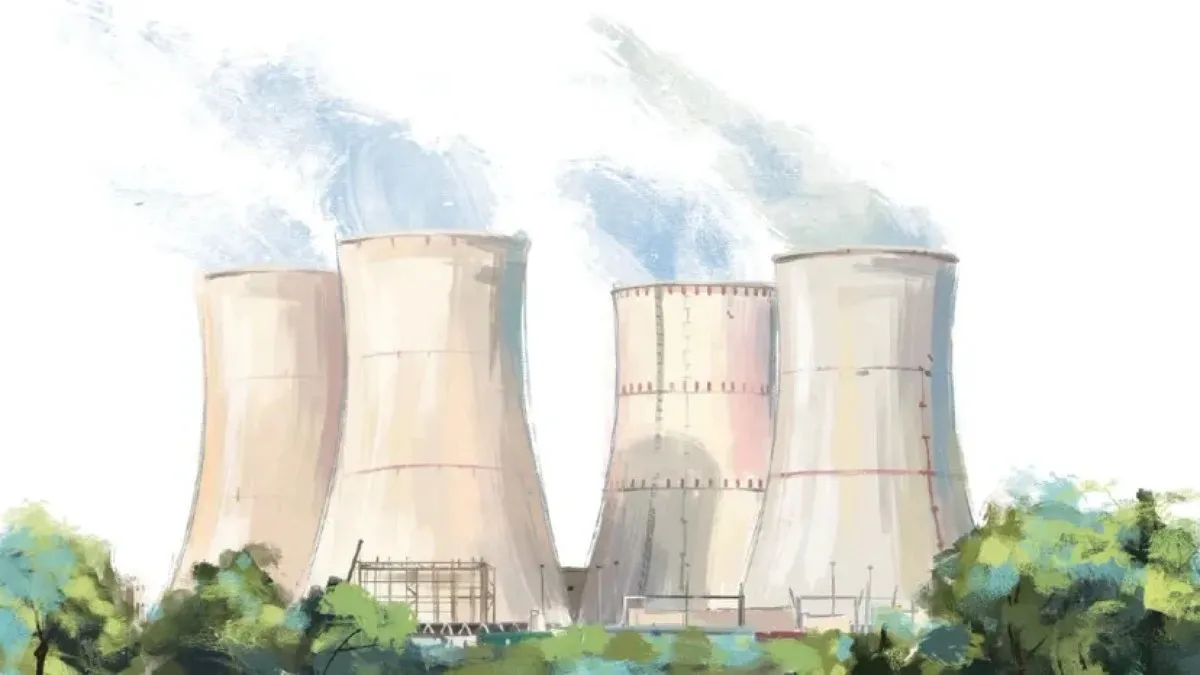
Graphics: Agamir Somoy
Rooppur Nuclear Power Plant’s first unit generated nearly 2 million units of electricity in eight and a half hours after being connected to the national grid for the first time. The electricity is worth approximately Tk 2 crore.
The achievement marks more than just a milestone in power generation. It signals the beginning of a new chapter in the country’s energy history with the introduction of new technology, capacity and experience. Once both units reach full capacity, the country’s first nuclear power plant is expected to play a significant role in reducing load shedding.
After more than a decade of planning, investment, construction and various tests, the plant was connected to the national grid for the first time at 3:16pm last Tuesday. It generated electricity continuously for more than eight and a half hours before being temporarily shut down at 11:50pm.
The plant generated a maximum of 375 megawatts of electricity before production was reduced. The Rooppur power project consumes 70 to 80MW of electricity for its own operations. The remaining electricity was supplied to the national grid.
The price of electricity generated by Rooppur has not yet been finalized. However, indications suggest that it could be around Tk 10 per unit. Based on this estimate, the financial value of the electricity generated stands at approximately Tk 2 crore. The amount would be higher if retail electricity prices at the consumer level were taken into account.
Once fully operational, the plant is expected to supply around 50 million units of electricity to the national grid every day. At an estimated price of Tk 10 per unit, the daily value would amount to Tk 50 crore.
Posts, Telecommunications and Information Technology and Science and Technology Minister Fakir Mahbub Anam said on Tuesday that the results of various tests and preparations so far had been satisfactory.
“If everything goes well, InshaAllah, trial electricity supply from the plant at full capacity will begin by late January or early February,” he said.
Electricity will be generated by using steam produced from heat energy released by nuclear fuel to turn turbines.
The plant has two units, each with a capacity of 1,200MW. Each unit is expected to generate at least 1,150MW of electricity. After deducting the plant’s own consumption, between 1,030MW and 1,050MW will be supplied to the national grid.
Under the terms of the agreement, the Russian contractor will have to pay a penalty if electricity supply falls below 1,030MW per unit. Once both units become operational, they are expected to contribute a combined 2,060MW to 2,100MW to the national grid.
The state-owned Nuclear Power Plant Company Bangladesh Limited (NPCBL) is responsible for operating the facility.
Its Managing Director Dr. Zahedul Hasan told Agamir Somoy, “Considering the capacity of the Rooppur Nuclear Power Plant, 2 million units of electricity is a relatively small amount. Its capacity will increase gradually. Nevertheless, this is a major achievement for us. NPCBL’s officers and employees are among the key contributors to this success.”
He said the performance of turbines, generators and other equipment, along with the integrated operational system connecting the plant to the national grid, was assessed during electricity generation.
“Various data analyses are now underway. We are examining whether the plant’s operation has caused any irregularities, large or small. After that, it will be connected to the grid again for a certain period. Generation will be increased and reduced before the plant is shut down. Several hundred tests still remain. Through this gradual process, the plant’s generation capacity will be increased. After completing the activities under Phase C, trial electricity generation will begin,” he said.
These tests are considered extremely important by experts. This is because the success of a nuclear power plant is not measured solely by the start of electricity generation. The primary objective is to ensure safe, uninterrupted and stable production over an extended period.
Dr. Md. Kabir Hossain, project director of the Rooppur Nuclear Power Plant construction project, said the plant would be reconnected to the national grid for four to six hours after a break of approximately 28 hours from disconnection for various technical tests.
During this period, necessary technical and operational tests will be conducted at the facility.
Alexey Likhachev, director general of Russia’s state-owned nuclear energy corporation Rosatom State Corporation, said nuclear power would give Bangladesh access to advanced technology and help develop engineering and scientific research.
In a statement yesterday, he said, “The first unit’s power start-up is a historic event for both our countries. Bangladesh is gaining a reliable, stable and environmentally friendly source of energy that will reduce dependence on imported hydrocarbons.”
Meanwhile, work on the plant’s second unit is also progressing at full pace. If everything goes according to plan, nuclear fuel may be loaded into the unit next year.
Project officials expect electricity supply from the second unit to the national grid to begin in late December of the same year or January 2028.
Once electricity from both units is integrated into the national grid, the plant is expected to reduce load shedding and save a substantial amount of foreign currency currently spent on fuel imports.
Nuclear power is also expected to be cheaper than electricity generated from oil and coal.
