
Today: 45th Martyrdom Anniversary of Ziaur Rahman

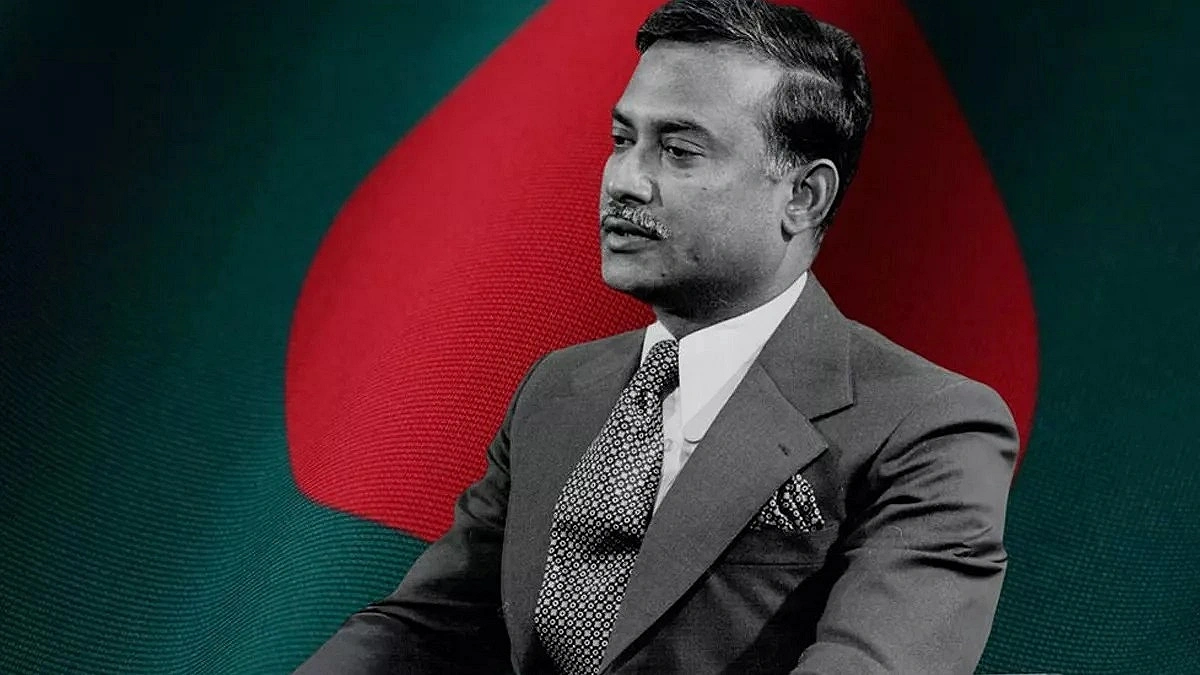
Collected Photo
Today is 30 May. It marks the 45th martyrdom anniversary of Shaheed President Ziaur Rahman, the founder of the Bangladesh Nationalist Party (BNP). On this day in 1981, he was killed at night at the Chittagong Circuit House by a group of misguided soldiers. At the time, this rare statesman was only 45 years old.
Marking the day, the BNP has taken an eight-day-long program of various activities.
Many political analysts believe that through his eventful and dynamic life, Ziaur Rahman has secured a permanent place in the hearts of the people of Bangladesh. For many reasons, he has earned a place in an important and glorious chapter of the nation’s history. His honesty, dedication, deep patriotism, industriousness, firm leadership, and other qualities deeply touched the hearts of the common people of this country.
Ziaur Rahman was a professional soldier. Even so, his acceptance among ordinary people was remarkable. He was in state power for only five and a half years, yet within that short time the common people developed immense trust in him. Until the last day of his life, that trust never wavered.
A man of multifaceted talent, Ziaur Rahman was born on 19 January 1936 at his maternal home in Bagbari of Gabtali upazila in Bogura. His father, Mansur Rahman, was employed as a government chemist in Kolkata. After spending part of his childhood and adolescence in the village, he moved with his father to Kolkata and, following the partition of the subcontinent, to Karachi. After completing his education, Ziaur Rahman was admitted to the Pakistan Military Academy at Kakul in 1953 as an officer cadet. He was commissioned in 1955. Throughout his military career, he left a mark of distinction even within strict discipline. During the 1965 Indo-Pak war, he commanded a company with exceptional bravery in the Khem Karan sector. His company received the highest number of honors in that war. For his personal gallantry, he himself was awarded a pistol.
Just as he demonstrated the highest level of professionalism in his life as a soldier, Ziaur Rahman also took firm control during every national crisis. In 1971, when the Pakistani army launched brutal attacks on the unarmed people of then East Pakistan, Ziaur Rahman announced Bangladesh’s independence from the Kalurghat radio station in Chattogram. He appealed to the international community to support the just struggle of the people of Bangladesh. During the nine-month Liberation War, he served as a sector commander, performing his duties as a valiant military leader. In recognition of his bravery, he was awarded the Bir Uttom gallantry award. Among the people, he is widely respected as the announcer of independence.
In 1975, following a major political upheaval in the country, Ziaur Rahman assumed responsibility for running the state under a special set of circumstances. On 3 November, a military coup led by Brigadier Khaled Mosharraf ousted Khondaker Moshtaque Ahmed from power, and Ziaur Rahman, then the Deputy Chief of Army Staff, was placed under house arrest. Disorder spread throughout the army. At that critical moment in history, Ziaur Rahman was freed from confinement through the combined efforts of soldiers and the masses, and he took charge of leadership.
Since then on, Ziaur Rahman did not look back. He moved only forward. Through personal honesty, hard work, dedication to duty, firm leadership, selflessness, simplicity, and deep patriotism, he created a new awakening within the nation. He traveled extensively across the country. His greatest achievement was the implementation of a distinct nationalist ideology suited to the people of Bangladesh. By introducing a politics of inclusion, he brought people of all backgrounds into a single national stream. Within the party he founded, the BNP, both extreme leftists and extreme rightists found space. As a result, the BNP emerged as a liberal and centrist political party. Although he himself was a military officer, he made an extraordinary contribution to the establishment of democracy in the country.
Ziaur Rahman called for unity politics, rejecting the politics of division. He compelled politicians to go to the doorsteps of the people. By initiating vast programs of activity, he generated widespread public response. During his six years of rule, he not only gained immense popularity but also freed the nation from the label of a “bottomless basket.” At a time when the nation was in dire straits due to nepotism, pervasive corruption, and the plundering of state resources, Ziaur Rahman restored discipline to the country with a firm hand. He gave Bangladesh the confidence to stand tall in the global arena.
On the occasion of the day, BNP Secretary General Mirza Fakhrul Islam Alamgir said in a message that the ideals, patriotism, honesty, and dedication to work of Shaheed Zia, a heroic freedom fighter and fearless, selfless statesman, continue to inspire nationalist forces today. Upon assuming state power, Ziaur Rahman restored multiparty democracy as well as civil liberties, including freedom of the press. He ensured the historic fulfillment of democracy. Through politics centered on production based on voluntary labor, he initiated the process of making the country economically self-reliant. He transformed Bangladesh from being labeled a “bottomless basket” into a food-exporting country. In his personal life, he despised corruption, false promises, and opportunism. His inner integrity earned him a unique and enviable stature. It was because of his economic and political reforms that the journey of multiparty democracy began in Bangladesh and the economy was established on a strong foundation.
