
Many questions would have been resolved if Jamaat had listened to Barrister Razzaq: Law Minister

File Photo
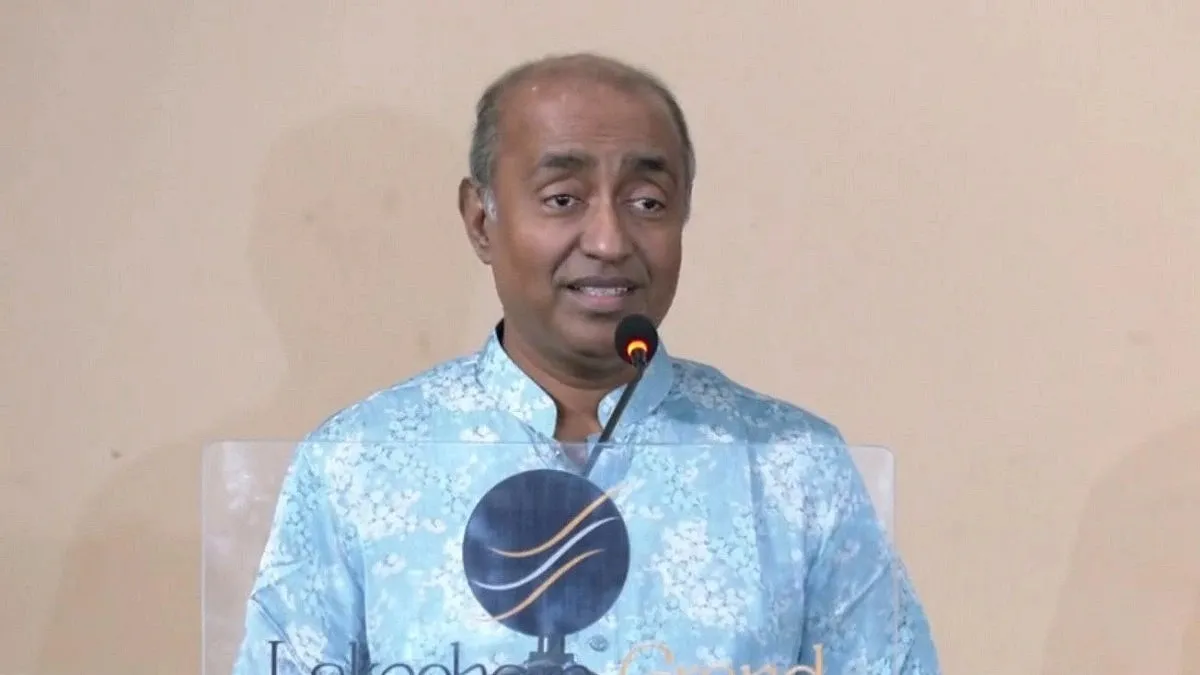
Law, Justice and Parliamentary Affairs Minister Md Asaduzzaman has claimed that many questions would have been resolved if Bangladesh Jamaat e Islami had listened to its former Assistant Secretary General Barrister Abdur Razzaq.
The minister made the remarks after attending the book launch ceremony of Abdur Razzaq at a hotel in Gulshan in the capital on Friday morning. The book written by Barrister Razzaq is titled Bangladesh Jamaat-e-Islami: Its History and Politics. The University Press Limited published the book.
Barrister Razzaq served as Assistant Secretary General of Jamaat e Islami. He also served as the chief counsel for the defense at the International Crimes Tribunal from 2011 to 2015. Barrister Razzaq was born on March 6, 1949. He died on May 4, 2025, at the age of 75.
Abdur Razzaq had called on Jamaat to apologize to the nation for the party’s role in 1971. The issue has been discussed in his book Bangladesh Jamaat e Islami: Its History and Politics.
Speaking at the book launch ceremony, Law Minister Md Asaduzzaman referred to the issue and said, “The assessment that Mr Razzaq made regarding 1971, the statement he said should be made to the nation. If Mr Razzaq’s statement had been signed in 2016, many questions about Jamaat would have been resolved.”
Quoting Barrister Razzaq, the minister said, “In Barrister Razzaq’s draft, he tried to bring Jamaat’s role in 1971 before the nation. Jamaat indirectly accepted that role in 1971 by not voting ‘No’ through participating in the parliamentary process. This is where Mr Razzaq’s foresight becomes evident.”
“Jamaat has now accepted this very question. Jamaat’s current position is based on this statement,” the minister added.
Speaking about Barrister Razzaq at the book launch, the Law Minister said the July mass uprising had given the current generation an important lesson. He said the way the new generation can confront a moment in history and dismantle injustice was reflected in Barrister Abdur Razzaq’s thinking.
The Law Minister said, “If we say that we will establish Islamic rule and impose it, that would be a misguided policy. Rather, a state should be established and governed based on Islamic values from within society. That would be the right path to establishing a genuine Islamic system of governance.”
“The issue has appeared exactly this way in Barrister Razzaq’s book, I saw that. I may disagree with Mr Razzaq’s thinking about establishing an Islamic system of governance, but from the perspective of values, from the perspective of a system of governance, I think this is the process for jurists,” the minister explained.
