The Path Back is Thorny for Rohingya Refugees

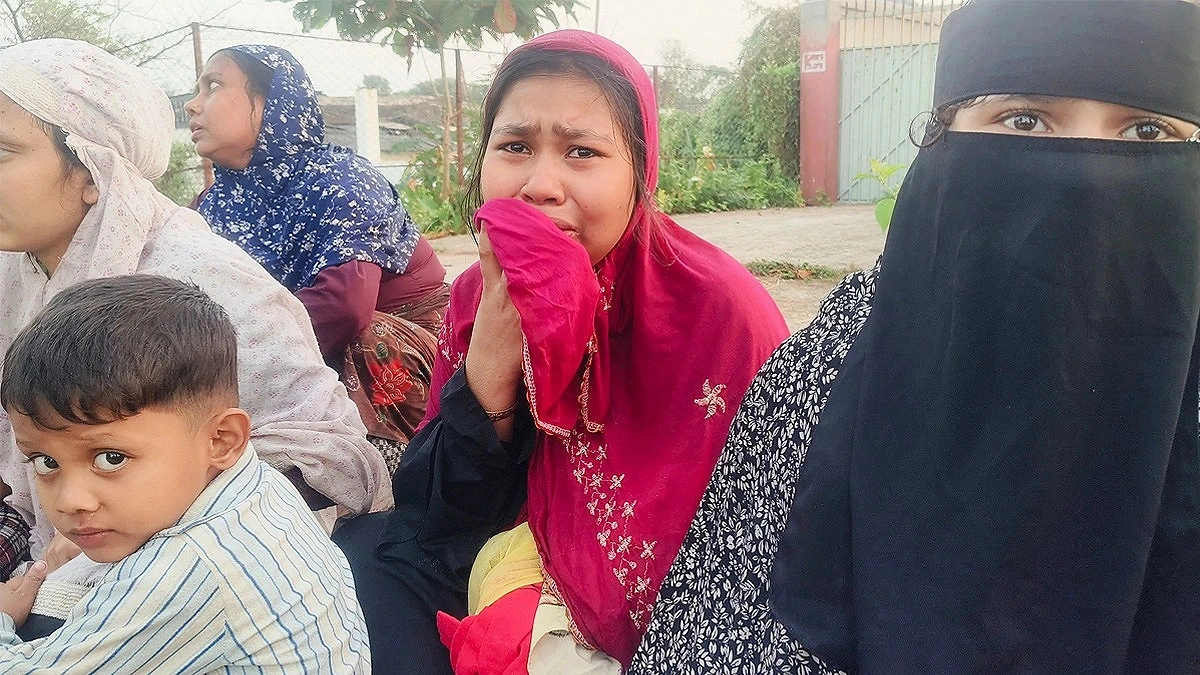
Photo: Agamir Somoy
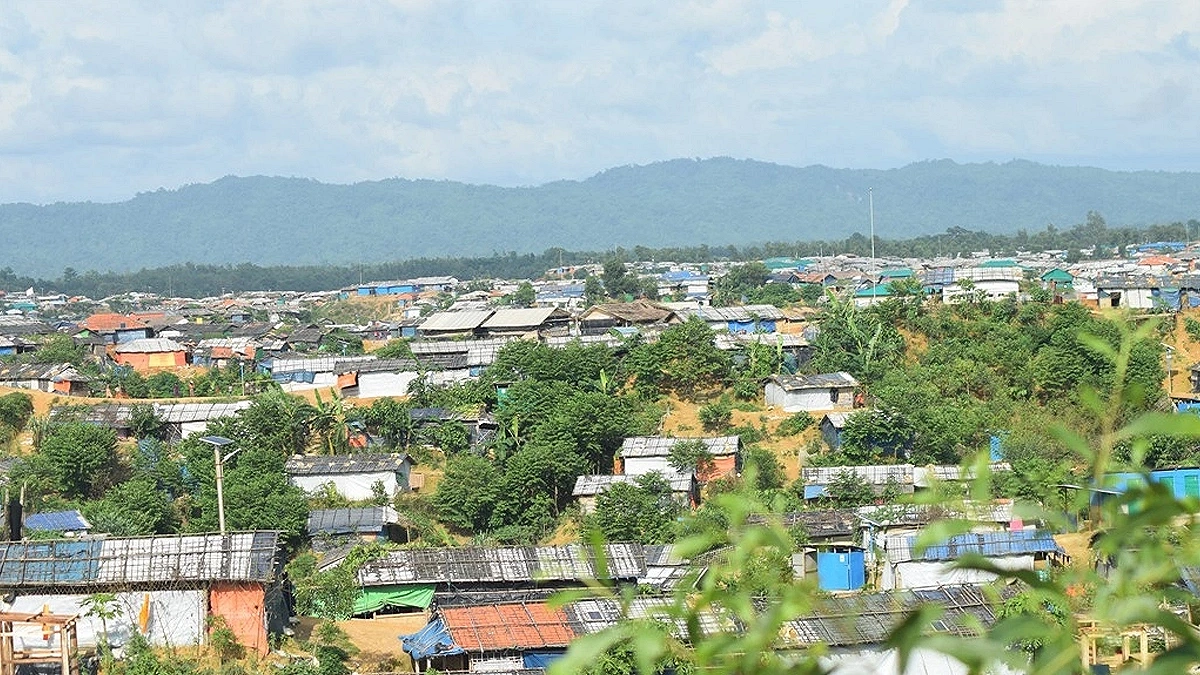
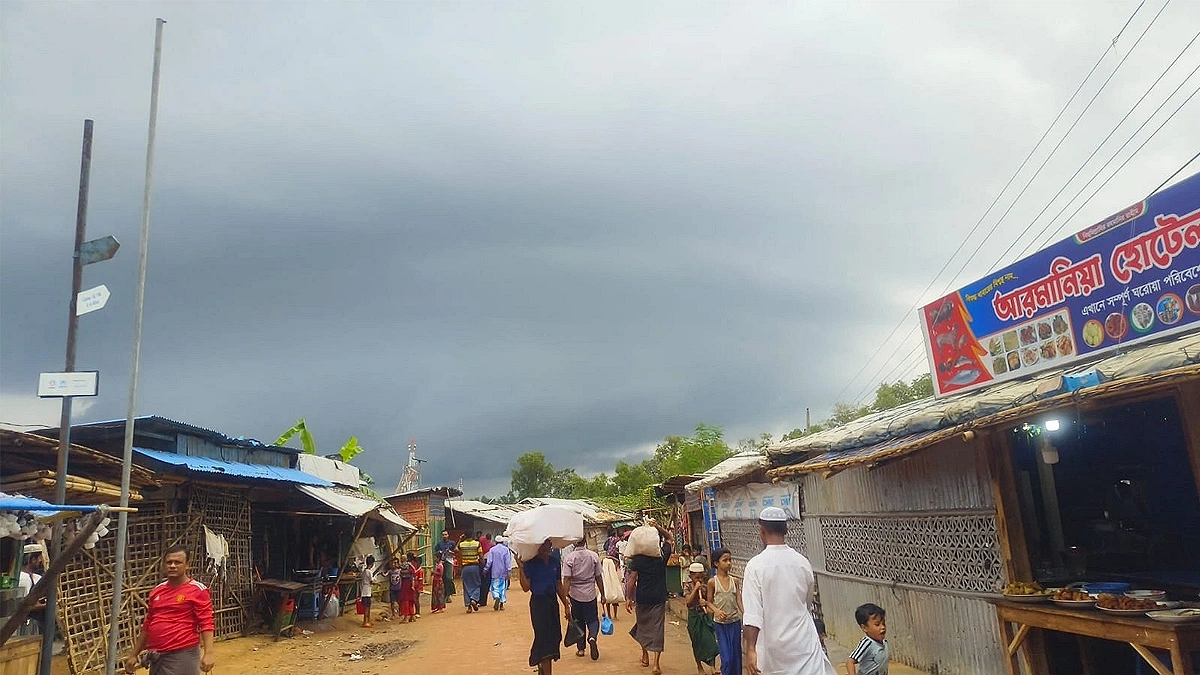
The ninth year of the Rohingya influx into Bangladesh is approaching. As time passes, the hope of their return grows slimmer. Nevertheless, the Rohingya sheltered in the hills of Ukhia and Teknaf in Cox's Bazar constantly dream of returning to their ancestral birthland.
Many express concern that while nine years are passing by, the success of repatriation remains at zero. When will the repatriation actually take place? Will the Rohingya ever be able to return to their own country in reality, or will they have to spend an even longer time living a floating life in a foreign land—the answer to this question remains unknown. Moreover, Rohingya repatriation has become even more complicated. An additional 150,000 Rohingya have recently arrived.
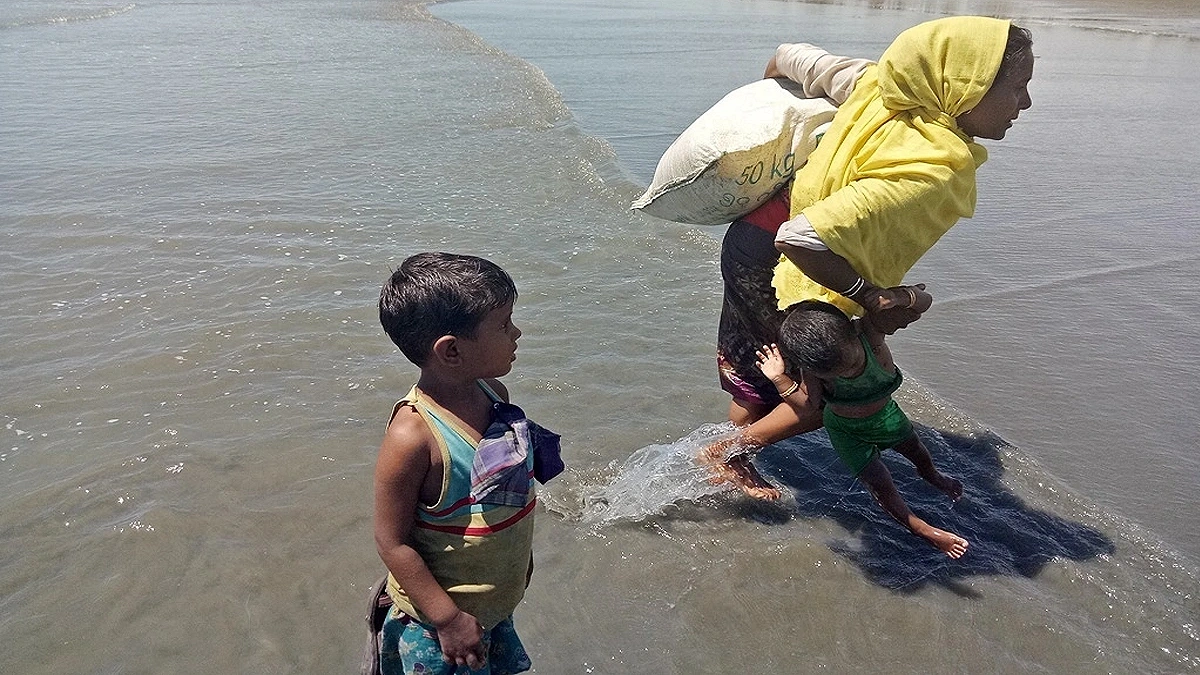
On August 25, 2017, hundreds of thousands of Rohingya took shelter in Bangladesh to save their lives in the face of brutal atrocities by the military in Myanmar's Rakhine state. Although they held onto the hope of a quick return to their homeland, not a single family has been able to return over the past eight years. In the meantime, repatriation initiatives were taken several times, only to fall through at the last moment due to various reasons.
Most recently, during UN Secretary-General António Guterres's visit to the Rohingya camps on March 14 last year, the Chief Adviser of the then-interim government, Dr. Muhammad Yunus, declared that the Rohingya would celebrate Eid in their own country. Since then, one Eid has passed and another is approaching. The Eid that Dr. Yunus envisioned did arrive, but the return of the Rohingya did not happen.
The Rohingya placed great trust in the Yunus government for their return. However, he could not keep the assurance he gave to the Rohingya. The Rohingya could not return during the tenure of the Sheikh Hasina government, and the Yunus government also failed to repatriate them despite giving assurances. The ultimate hope for the Rohingya now rests on the government of Tarique Rahman.
Numerous questions are revolving around whether the Tarique government will be able to ensure repatriation. Whether success or failure follows, the local Member of Parliament from the government has already announced that the return of the Rohingya to their country will be ensured by 2027.
Meanwhile, an international conference was held in Cox's Bazar late last year to find a solution to the Rohingya crisis. Local and foreign experts, diplomats, international organizations, academics, and representatives of the Rohingya community participated in the conference. Former Chief Adviser Dr. Yunus also attended the conference.
Surrounding that conference, ordinary Rohingya and local residents were highly hopeful about repatriation. They hoped that their return home would happen swiftly. However, even after that international conference, there has been no progress.
Due to international pressure, a bilateral agreement was signed between Bangladesh and Myanmar in 2017. However, despite multiple subsequent initiatives, not a single Rohingya citizen could be repatriated due to the lack of security and the internal war situation in Rakhine. Sheltered year after year across 32 camps in the hilly areas of Ukhia and Teknaf in Cox's Bazar, this massive population is now exerting significant pressure on the local economy, environment, and law and order, causing immense distress and frustration among the local residents.
In this regard, international history expert and researcher Dr. Habibur Rahman noted that the influx of Rohingya into Bangladesh is not a new phenomenon; both before and after independence, the Rohingya have come to this country as refugees at various times. However, those who arrived after August 25, 2017, have now taken on a largely permanent status. Along with cutting down hills and destroying the environment, they are also getting involved in various criminal activities.
He claimed that because large funds are collected and commercial interests exist among certain domestic and foreign factions and agencies centered around the Rohingya camps, many do not genuinely desire the repatriation of this population. Commenting that it would be difficult for a newly elected government to suddenly complete this complex process, he added that this crisis can be resolved through the mutual cooperation of the government, opposition parties, citizens, and the Rohingya community.
Meanwhile, seeing no successful glimmer of hope for returning to their homeland even after eight long years, Rohingya community leaders have expressed deep anger and frustration. Md. Musa, a resident of Balukhali camp in Ukhia and a Rohingya youth leader, reminisced about the brutal atrocities and the seizure of their homesteads by the Myanmar forces, commenting that despite repeated demands to the international community, no specific assurance of returning to Rakhine has been received. Furthermore, the situation has become more complicated now that most areas of Rakhine have fallen under the control of the armed rebel group, the Arakan Army.
According to him, unless a political understanding is reached between the Arakan Army and either the Bangladesh government or the international community, the repatriation process will be further prolonged due to the ongoing fight between the Junta forces and the rebels.
Nurul Amin, another Rohingya leader from the Kutupalong camp, pointed out that staying as refugees for life is not their objective, and they want to return to their own country with their rights as citizens of Myanmar. However, under the current realities, that path of return has been blocked.
Extreme dissatisfaction has also grown among the local residents of Ukhia and Teknaf over this long-standing crisis. Expressing sorrow over the matter, Professor Shafiqul Islam of Teknaf Government College said that a foreign population spending eight years in refuge is neither desirable for us, nor can it be pleasant for the Rohingya themselves.
The prolonged stay of this massive population has become a huge economic and social burden for Bangladesh. Therefore, local citizens want to see effective initiatives to return them to their native land as quickly as possible, bypassing all complications.